Reconstruction Era in America
Introduction to Reconstruction
A Nation Reborn
The American Civil War was over. The Union had won, and slavery was abolished. But the fighting left behind a shattered nation. The Southern states were devastated, their economies in ruins. And four million newly freed African Americans faced an uncertain future. This set the stage for one of the most transformative and turbulent periods in U.S. history.
Reconstruction
noun
The period in U.S. history from 1865 to 1877, during which the nation worked to rebuild the South, readmit the Confederate states to the Union, and define the rights of newly freed African Americans.
This era wasn't just about rebuilding cities and farms. It was about fundamentally reshaping American society. The country had to answer enormous questions that the Civil War had raised but not fully resolved.
How would the defeated Southern states rejoin the Union? What would be the status of the former Confederate leaders? And most importantly, what would freedom mean for the millions of African Americans who had been enslaved?
These questions sparked fierce debates in Washington, D.C., and led to profound changes across the country. The period saw the passage of three constitutional amendments—the 13th, 14th, and 15th—that forever altered the definition of American citizenship and rights. For a time, African American men gained the right to vote and hold political office, leading to unprecedented political participation and the election of Black leaders across the South.
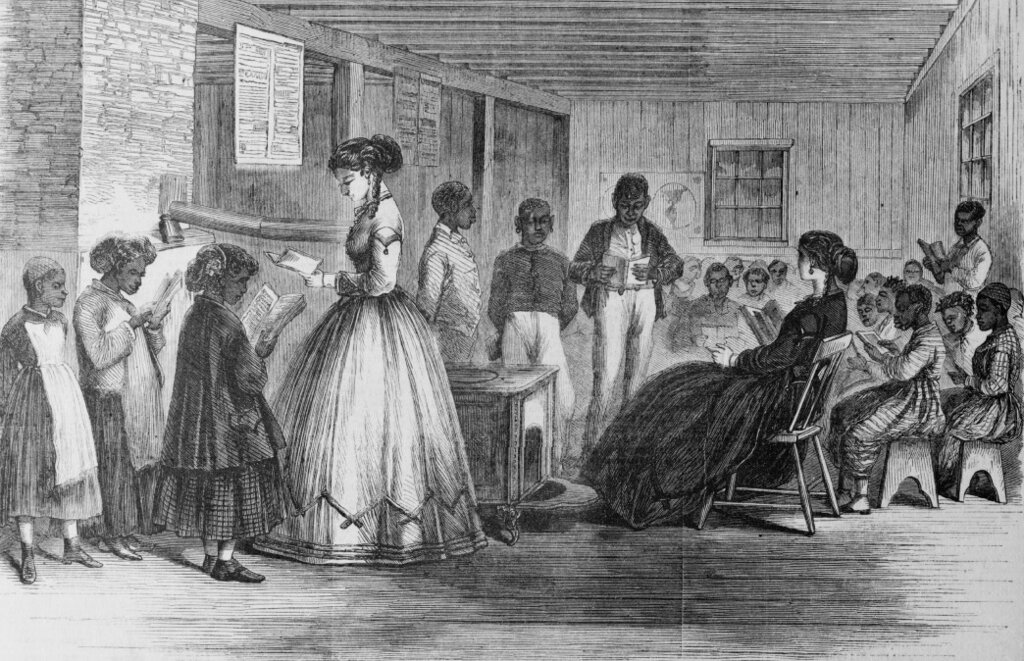
But this progress was met with fierce and often violent resistance. The struggle to define the new social and political order was a battle fought not just in Congress, but in communities throughout the South.
Why It Matters
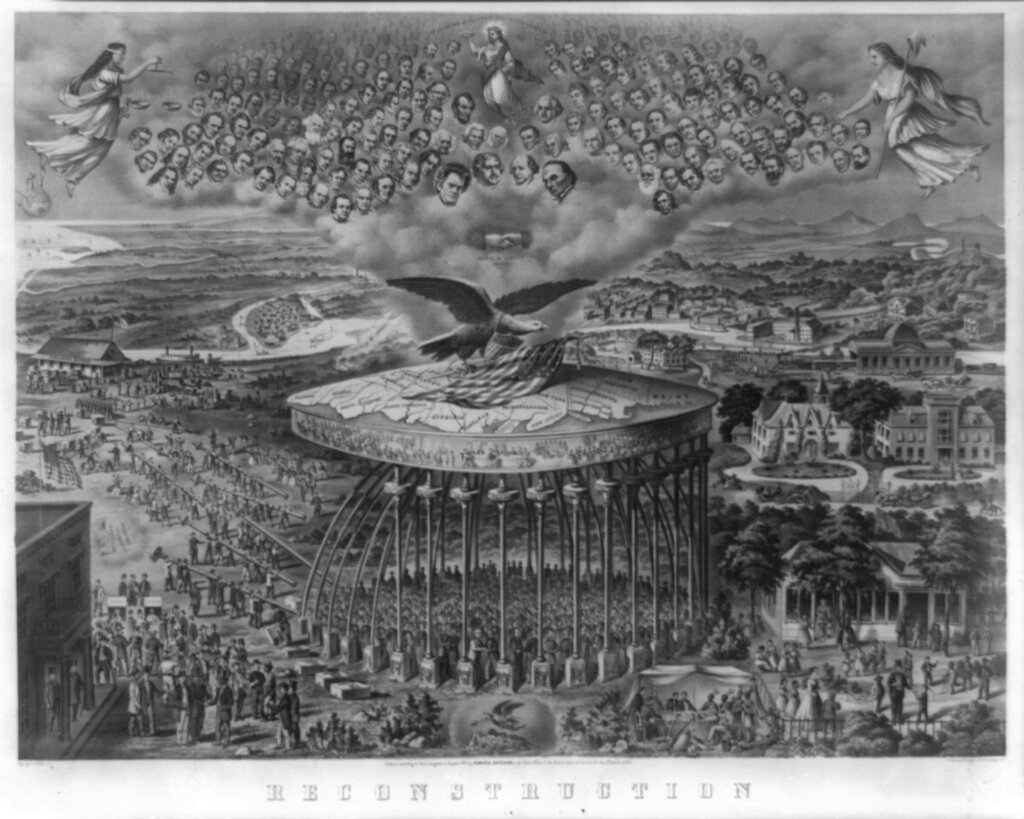
Reconstruction's significance is hard to overstate. It was America's first attempt to build an interracial democracy. The era’s successes and failures have echoed through the generations, shaping the course of the Civil Rights Movement a century later and continuing to influence conversations about race, rights, and justice today.
The period ended in 1877 not because all the problems were solved, but because the political will to continue the effort faded. This left many of the promises of freedom unfulfilled. Understanding Reconstruction is essential to understanding the American story, as it set the terms for debates that are still ongoing.
Let's test your understanding of this pivotal era.
What was a primary goal of the Reconstruction era following the American Civil War?
The 13th, 14th, and 15th Amendments are often called the 'Reconstruction Amendments'. What did the 14th Amendment establish?
Studying this period reveals the challenges of healing a divided nation and the enduring struggle to live up to America's founding ideals.