Recent Concussion Breakthroughs
Concussion Basics
The Shaken Brain
A concussion isn't just a bump on the head. It's a type of traumatic brain injury (TBI) that changes the way your brain normally works. This injury is caused by a sudden jolt, bump, or blow to the head. It can also happen from a hit to the body that causes the head and brain to move back and forth rapidly.
concussion
noun
A mild traumatic brain injury caused by a bump, blow, or jolt to the head or by a hit to the body that causes the head and brain to move rapidly back and forth.
This sudden movement makes the brain bounce or twist inside the skull. Think of your brain as being a bit like gelatin. It's soft and protected by cerebrospinal fluid, which acts as a cushion. But a forceful impact can overwhelm this cushion, causing the brain to strike the hard inner surface of the skull.
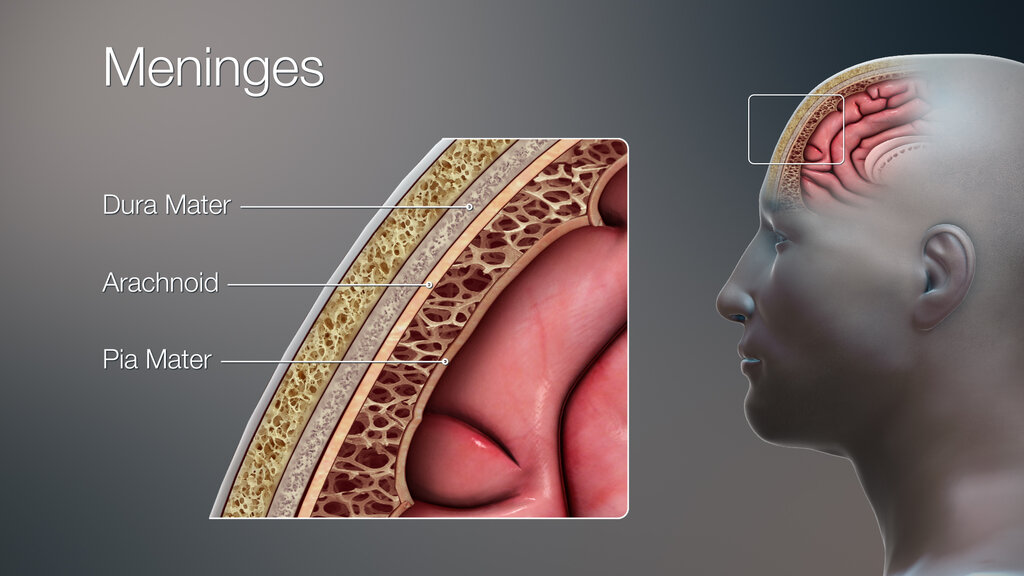
What Happens Inside
The impact stretches and damages brain cells and creates chemical changes in the brain. This process disrupts how brain cells, called neurons, communicate with each other. It's an energy crisis on a microscopic level. Immediately after the injury, neurons fire erratically, releasing large amounts of neurotransmitters. This massive firing uses up a lot of energy, but at the same time, the brain's blood supply is reduced, cutting off the delivery of energy-rich sugar and oxygen.
A concussion triggers an energy crisis in the brain. Neurons are over-stimulated and damaged, but their energy supply from blood flow is reduced, creating a mismatch that impairs brain function.
This cellular dysfunction is what leads to the symptoms of a concussion. Importantly, a concussion can occur without any loss of consciousness. Many people remain awake but may feel dazed, confused, or 'out of it'.
Immediate and Lasting Effects
The signs and symptoms of a concussion can be subtle and may not appear immediately. They generally fall into four categories. Some effects resolve within days or weeks, but for others, symptoms can linger for months or even longer, a condition known as post-concussion syndrome.
| Category | Common Symptoms |
|---|---|
| Thinking/Remembering | Difficulty thinking clearly, feeling slowed down, trouble concentrating, memory problems |
| Physical | Headache, fuzzy or blurry vision, nausea, vomiting, dizziness, sensitivity to light or noise, balance problems |
| Emotional/Mood | Irritability, sadness, more emotional than usual, nervousness or anxiety |
| Sleep | Sleeping more than usual, sleeping less than usual, trouble falling asleep |
In the long term, a history of multiple concussions can have serious consequences. There is a growing body of evidence linking repetitive head trauma to a higher risk of developing neurodegenerative diseases later in life, such as chronic traumatic encephalopathy (CTE), Alzheimer's disease, and Parkinson's disease. These conditions involve the progressive loss of brain cells and can lead to severe cognitive and physical decline.
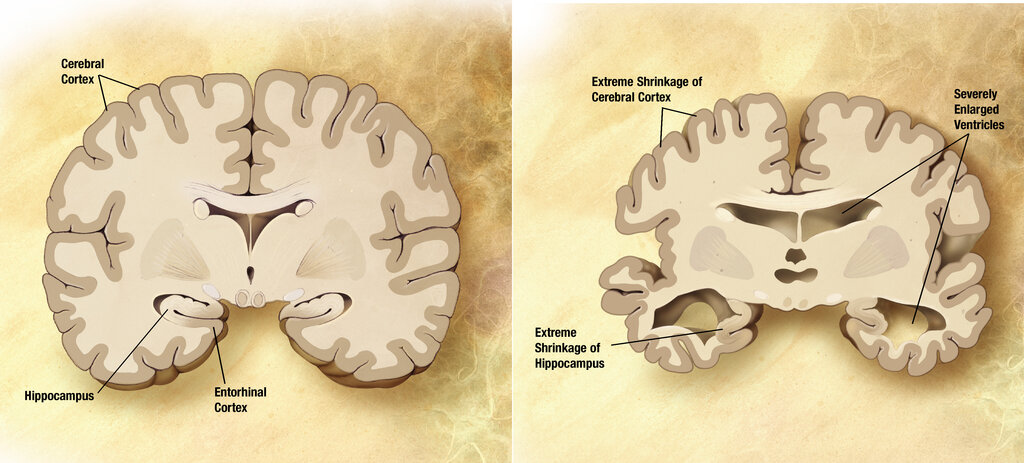
This is why recognizing a concussion and allowing the brain adequate time to heal is so critical. The brain is a resilient organ, but it needs rest to recover from the metabolic and structural damage caused by an injury.
Let's check your understanding of what we've covered.
What is the most accurate description of a concussion?
What happens at a cellular level in the brain immediately following a concussion?
Understanding the nature of concussions is the first step toward appreciating the importance of brain health and safety.