Real-Time Sales Framework Application
Understanding Sales Frameworks
Your Sales Roadmap
A sales framework is a structured guide for your sales conversations. Think of it less like a rigid script and more like a roadmap. It provides a set of stages, key questions, and objectives to guide you from the initial greeting to a successful close. The goal isn't to put words in your mouth, but to ensure you cover the right ground and stay focused on the customer's needs.
Using a framework helps make your sales process predictable and scalable. It gives you a reliable structure that you can adapt to any situation, ensuring you're always prepared and professional.
Frameworks vs. Scripts
The main difference between a framework and a script is flexibility. A script tells you exactly what to say, word for word. This can be useful for training new hires or for very simple, repetitive sales, but it often sounds robotic and can fall apart the moment a customer asks an unexpected question.
A framework, on the other hand, outlines the key milestones of a conversation. It prompts you to listen, understand, and then respond to what the customer is actually saying. This empowers you to have a natural, consultative dialogue instead of just reciting a monologue.
Great sales scripts are flexible talk tracks that give you structure while allowing for natural, human interactions that adapt to every prospect.
| Feature | Sales Script | Sales Framework |
|---|---|---|
| Structure | Rigid, word-for-word | Flexible, stage-based |
| Focus | Reciting a message | Achieving milestones |
| Interaction | One-way presentation | Two-way conversation |
| Adaptability | Low | High |
| Sounds Like | Robotic, rehearsed | Natural, consultative |
Selecting a Framework
There is no single best framework for every sale. The right choice depends entirely on your specific context. When deciding on a framework for your team or yourself, you need to consider a few key factors.
First, think about the complexity of your sales cycle. A quick, transactional sale might need a very simple, direct framework. A long, complex enterprise deal with multiple stakeholders will require a more robust, multi-stage approach. Also consider your product or service. Is it a straightforward item or a highly customized solution? Your framework should reflect that.
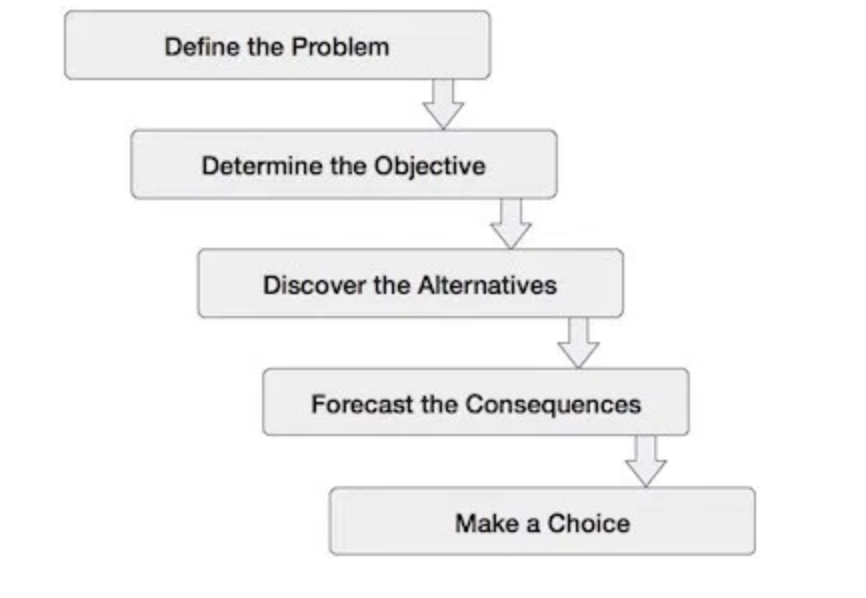
Finally, consider your customer and your team. Selling to an expert engineer is different from selling to a non-technical CEO. The framework should help you tailor your language and approach. Likewise, a team of veteran salespeople might use a looser, more intuitive framework than a team that is just starting out.
What is the primary purpose of a sales framework?
What is the key difference between a sales framework and a sales script?
By choosing a framework that fits your context, you create a powerful tool that guides conversations, builds confidence, and ultimately helps you close more deals.