Real-Time Company News Aggregator
Introduction to Web Scraping
What Is Web Scraping?
The internet is a massive library of information. But how do you collect that information efficiently? Manually copying and pasting from dozens, hundreds, or even thousands of pages is slow and prone to errors. This is where web scraping comes in.
Web scraping is the process of using automated programs, often called bots or scrapers, to extract large amounts of data from websites. Think of it as hiring a super-fast assistant to browse websites and pull out exactly the information you need, organizing it into a neat, usable format like a spreadsheet.
At its core, web scraping turns the unstructured data you see on a webpage into structured data you can use for analysis, research, or other projects.
Why Scrape the Web?
Businesses, researchers, and individuals use web scraping for a huge variety of tasks. It's a powerful way to gather data for making smarter decisions. For example, a company might scrape competitor websites to compare product prices in real-time, while a journalist might scrape government sites to gather data for an investigative story.
| Application | Description |
|---|---|
| E-commerce | Compare prices, track product availability, and monitor customer reviews across different retail sites. |
| Market Research | Analyze market trends, gauge public sentiment on social media, or gather data on a specific industry. |
| Lead Generation | Collect contact information from public directories or professional networking sites to find potential clients. |
| Academic Research | Aggregate data from scientific journals, historical archives, or public records for analysis. |
| News Monitoring | Track news articles from various sources to stay updated on specific topics or keywords. |
The goal is always to gather public data at a scale that would be impossible for a human to achieve manually. This data can then fuel everything from machine learning models to business strategies.
Playing by the Rules
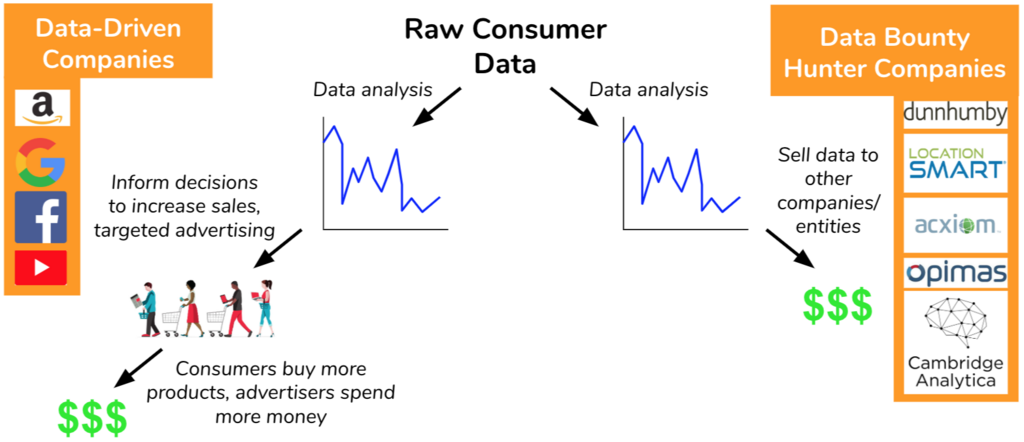
Just because you can scrape a website doesn't always mean you should. Web scraping exists in a legal and ethical gray area. Being a responsible scraper means respecting the websites you are collecting data from.
Ethical scraping goes beyond legality—it's about respecting digital boundaries, user privacy, and terms of service.
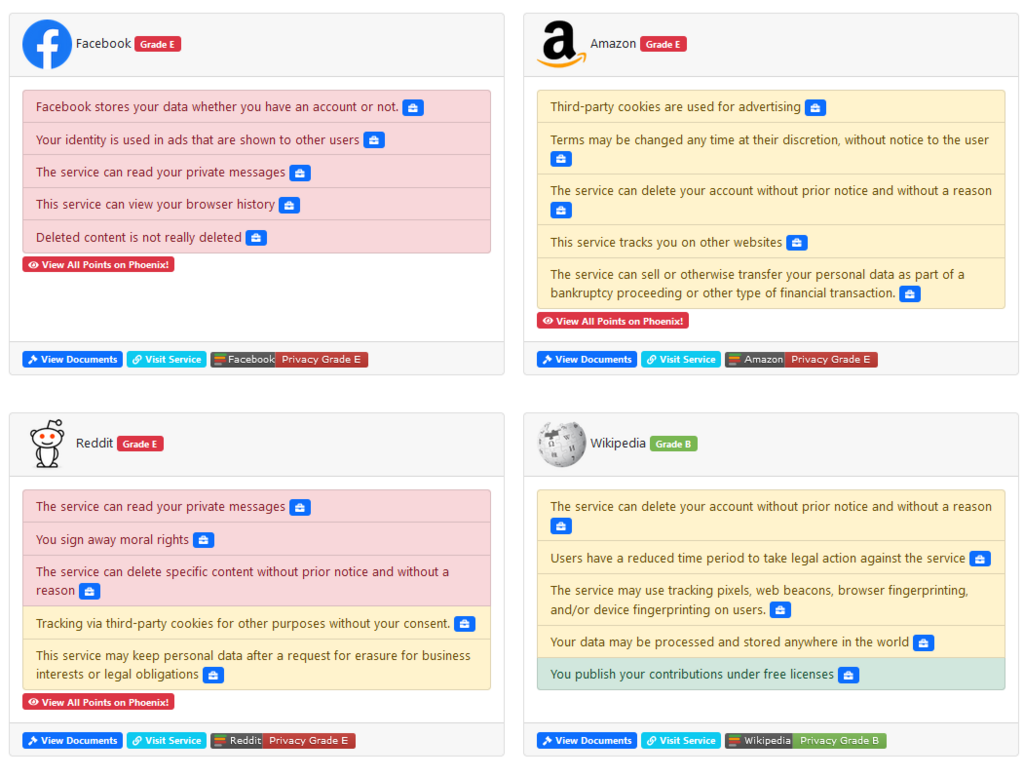
First, always check a website's Terms of Service (ToS). This document often outlines the site's rules regarding automated data collection. Some sites explicitly forbid it, while others allow it under certain conditions. Violating the ToS can lead to your IP address being blocked or even legal action.
Another crucial step is to check the robots.txt file. This is a simple text file that website owners use to give instructions to web robots, including scrapers.
robots.txt
noun
A file stored on a website's server that tells web crawlers and scrapers which pages or sections of the site they are not allowed to access.
Respecting robots.txt is a fundamental rule of ethical scraping. It shows you're not trying to access parts of a site that the owner wants to keep private or protected from bots. Finally, a responsible scraper makes requests at a reasonable rate to avoid overwhelming the website's server, which could slow it down or even cause it to crash for other users.
Being a good digital citizen is key. Scrape politely by making requests slowly, identifying your bot, and never scraping data that is behind a login or is personal and private.
By understanding the purpose, applications, and ethical guidelines, you can begin to see how web scraping works as a powerful tool for data collection. Always remember to prioritize ethical and legal considerations in any scraping project.