Real Estate Title Abstracts Explained
Introduction to Title Abstracts
The History Book of a Property
When you buy a house, you're not just buying the building and the land. You're also buying its legal history. How can you be sure the person selling it actually has the right to do so? And how do you know there aren't old debts or legal claims attached to the property that could become your problem?
The answer is a document called a title abstract.
A title abstract is a condensed history of a property's title, summarizing all the transactions and events that have affected its ownership over the years.
Think of it as the property's biography. It starts with the original grant of land and follows every owner, every mortgage, every lien, and every other legal action up to the present day. This summary is compiled by examining public records to create a clear timeline of ownership.
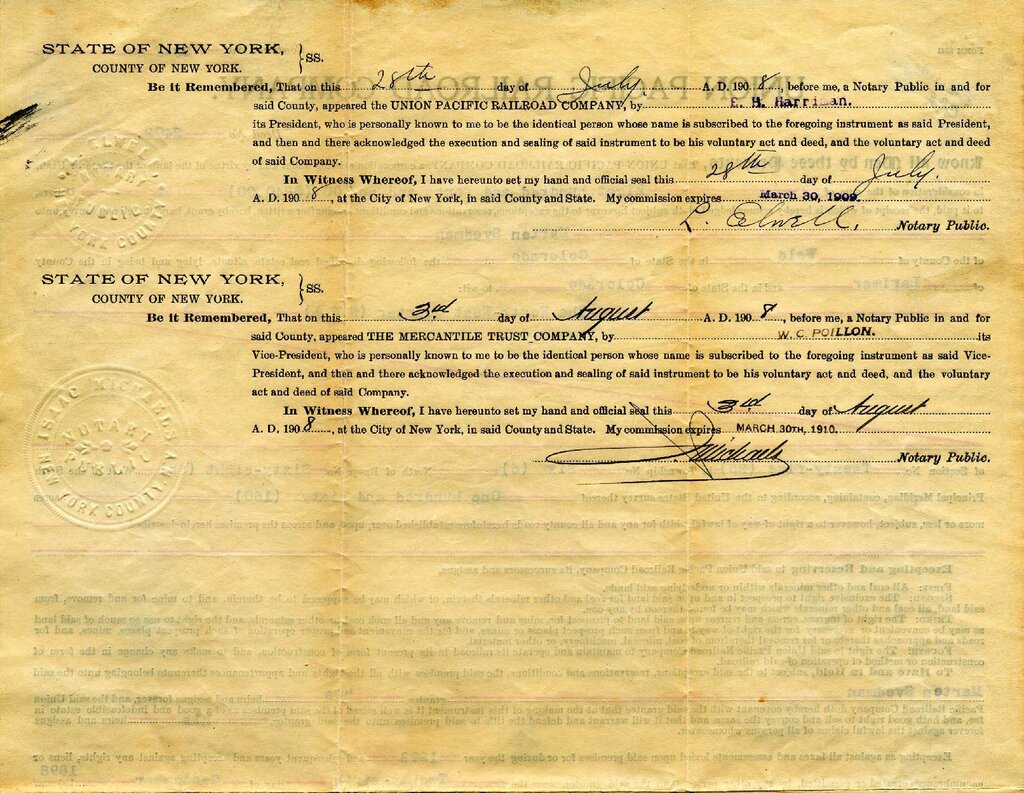
Why It Matters
The main purpose of a title abstract is to ensure the seller can transfer a “clear and marketable title.” This means the ownership is free from any reasonable doubt, liens, or legal questions. Without a clear title, you could face serious legal and financial problems down the road.
Imagine buying a car, only to find out later that the seller still had a loan on it, and now the bank is coming to you for the money. A title abstract helps prevent the real estate equivalent of that nightmare.
Ignoring title issues can result in:
Legal eviction
Loss of investment
Years of litigation
Inability to sell or resell the property
By providing a complete history, the abstract allows a legal professional, typically an attorney or a title company, to spot any potential issues. These are often called “clouds” or “defects” on the title. Finding these problems before a sale is finalized gives the seller a chance to resolve them, ensuring a smooth and secure transaction for the buyer.
What's Inside an Abstract
A title abstract is a summary of various public records. While the specific documents can vary, they generally fall into a few key categories.
| Component | Description |
|---|---|
| Deeds | Legal documents that transfer property ownership from one person to another. |
| Mortgages | Records of loans taken out using the property as collateral. |
| Liens | Legal claims against the property for unpaid debts, like taxes or contractor fees. |
| Easements | Rights given to others to use a part of the property for a specific purpose (e.g., utility lines). |
| Wills & Court Cases | Records showing how the property was transferred after an owner's death or as part of a lawsuit. |
Each of these entries creates a link in the property's “chain of title.” A complete and unbroken chain is essential for proving clear ownership.
Let's check your understanding of these foundational concepts.
What is the primary purpose of a title abstract in a real estate transaction?
A potential issue or unresolved claim found in a title abstract, such as an old mortgage that was never officially marked as paid, is often referred to as a __________ on the title.
This historical summary is the first step in protecting your investment and ensuring the property you buy is truly yours, free and clear.