Real Estate Prospecting in Dubai
Understanding Dubai's Real Estate Market
The Dubai Real Estate Market
Dubai's real estate market is unlike any other. In just a few decades, a vast desert landscape has transformed into a global hub of commerce and luxury living. This rapid growth, fueled by ambitious government vision and international investment, has created a dynamic and unique property market.
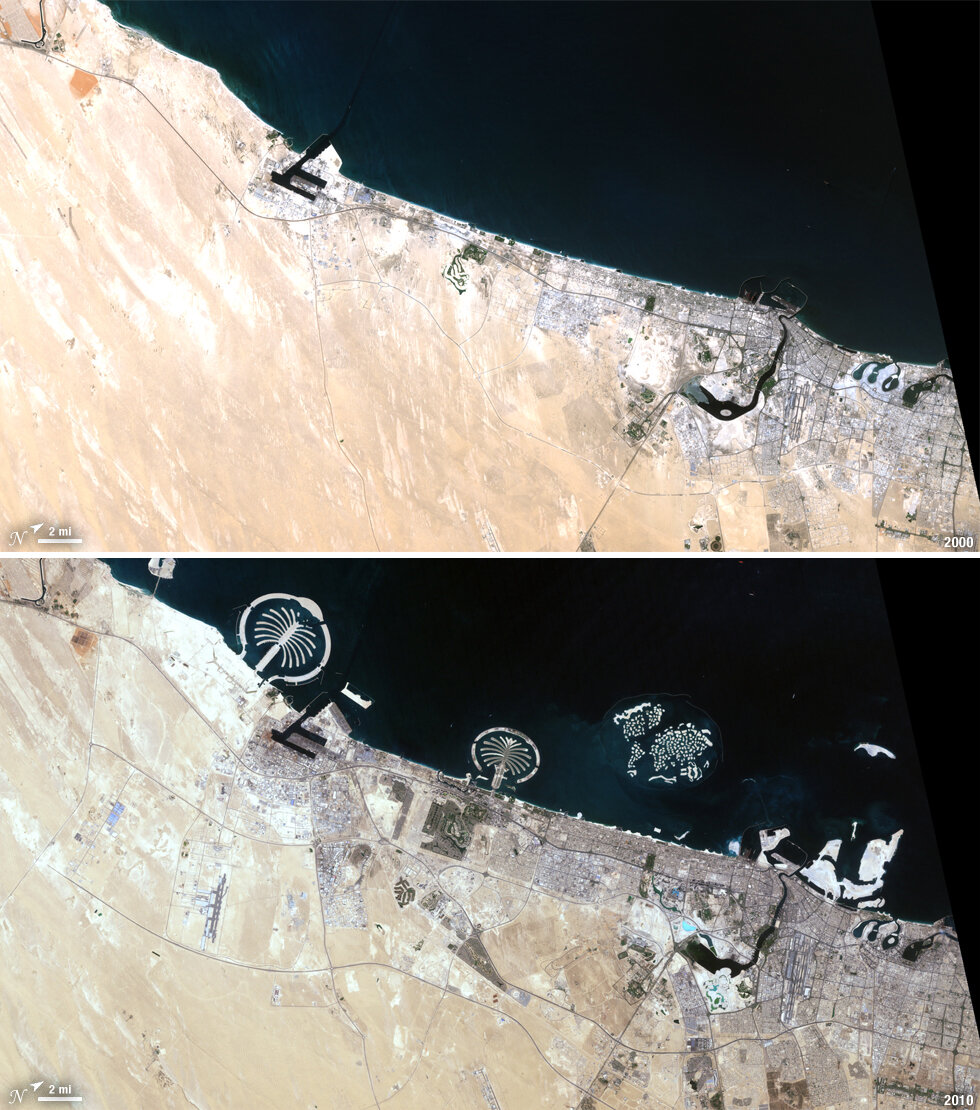
A key feature is its appeal to foreign investors. The government established specific "freehold" areas where non-UAE nationals can own property outright, a move that opened the floodgates for global capital. This contrasts with "leasehold" areas, where ownership is limited to a long-term lease, typically 99 years.
Another major draw is the tax-free environment. For many investors, the absence of annual property taxes and taxes on rental income is a powerful incentive. This, combined with a high standard of living and a stable economy, makes Dubai a top choice for real estate investment.
Real estate investment in Dubai continues to attract both regional and international investors due to its tax-free environment, thriving economy, and rapidly growing skyline.
Regulation and Oversight
Such a fast-paced market requires strong regulation to protect buyers and sellers. The Dubai government established two key bodies to ensure transparency and security in all property transactions.
Dubai Land Department (DLD)
noun
The main government entity responsible for the registration, organization, and promotion of real estate investments in Dubai. It handles all legal aspects of land and property ownership.
Think of the DLD as the ultimate authority and record-keeper for all real estate in the emirate. It was founded in 1960 to handle land affairs and has evolved to manage the complexities of today's market. Its services are crucial for verifying ownership and ensuring the legality of transactions.
Every mortgage in Dubai must be officially registered with the DLD. This protects the rights of both the lender and the borrower, creating a secure legal framework.
Working alongside the DLD is its regulatory arm, RERA.
Real Estate Regulatory Agency (RERA)
noun
The agency that sets policies and regulations for Dubai's real estate sector. It licenses all real estate agents, brokers, and developers, and it manages the rules they must follow.
If the DLD is the record-keeper, RERA is the rule-maker and referee. It ensures that all market participants operate ethically and professionally. RERA introduced important regulations, such as mandatory escrow accounts for off-plan property sales. This means a developer cannot directly access a buyer's funds; the money is held by an approved bank and released only when specific construction milestones are met, protecting investors from project failures.
Market Drivers and Trends
The Dubai property market is influenced by a blend of global and local factors. Understanding these drivers is key to navigating the market effectively.
Demand is driven by:
- Economic Growth: As a hub for business, finance, and tourism, Dubai attracts professionals and entrepreneurs from around the world. A strong economy creates jobs, which in turn fuels demand for housing.
- Government Initiatives: Programs like the Golden Visa offer long-term residency to investors, entrepreneurs, and skilled professionals, making property ownership more attractive as a pathway to stability.
- Population Growth: Both expatriates and Emirati citizens contribute to a steadily growing population, creating consistent demand for residential properties.
- Tourism: A world-class tourism industry supports a strong market for short-term rentals and holiday homes.
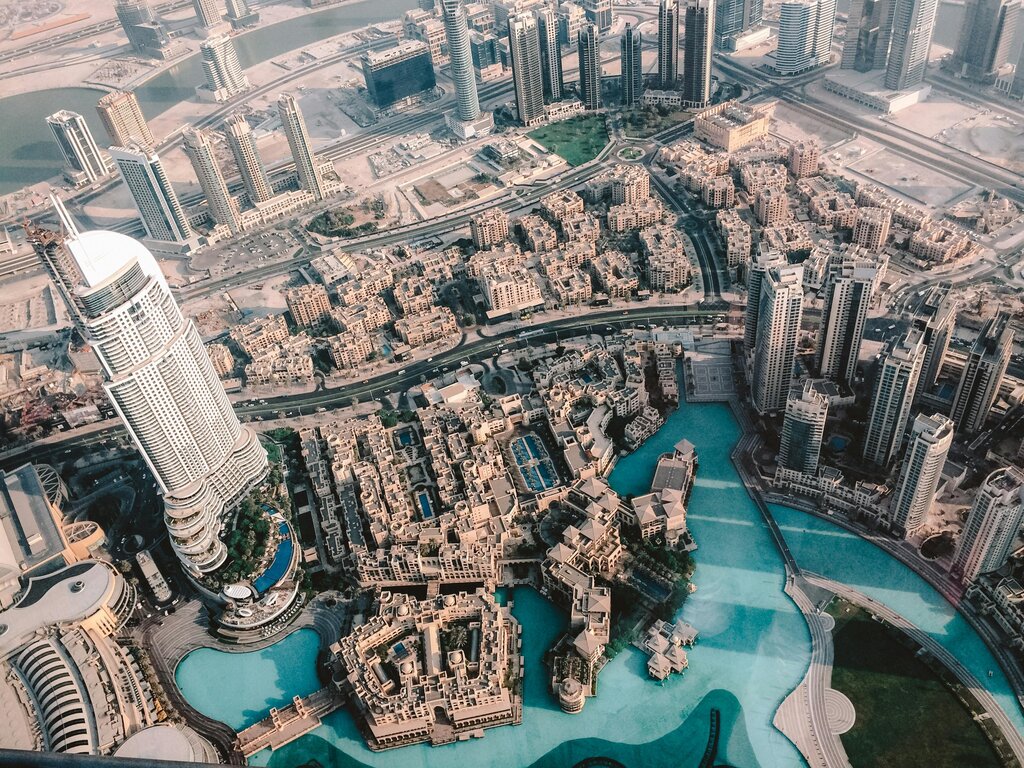
Supply is influenced by:
- Developer Projects: Major developers launch large-scale residential and commercial projects, from luxury villas to high-rise apartments. The pace of these launches directly impacts market supply.
- Government Master Plans: Strategic urban planning, like the Dubai 2040 Urban Master Plan, guides where and how the city will grow, influencing future supply and infrastructure development.
- Construction Costs: The cost of materials and labor can affect the profitability and speed of new construction, thus influencing when new properties come to market.
A key trend in recent years has been the growth of the off-plan market, where investors buy properties directly from developers before construction is complete. This segment is a significant contributor to the market's capital appreciation.
By understanding the market's structure, key regulators, and the forces of supply and demand, you can better appreciate the opportunities within Dubai's real estate landscape.
Ready to test your knowledge? Let's see what you've learned about the fundamentals of Dubai's property market.
What is the primary function of the Real Estate Regulatory Agency (RERA) in Dubai's property market?
Which of the following is NOT a primary driver of demand for Dubai real estate?
Grasping these core concepts provides a solid foundation for understanding the specifics of buying, selling, and investing in one of the world's most exciting real estate markets.