Real Estate Fundamentals
Property Types
A Tour of Property Types
When people talk about real estate, they're not just talking about the house next door. The world of property is vast, with several distinct categories. Each type serves a different purpose, from living and working to manufacturing and growing food. Understanding these classifications is the first step in seeing the full landscape of real estate.
Each property type comes with its own set of opportunities, risks, and management requirements.
Let's explore the four main categories: residential, commercial, industrial, and agricultural.
Residential Properties
This is the category most people are familiar with. Residential properties are simply places where people live. They range from single-family homes in the suburbs to high-rise apartment buildings in the city.
This group also includes condominiums (condos), where you own your individual unit, and townhouses, which are attached homes that you also own. Duplexes, triplexes, and fourplexes—buildings with two, three, or four separate housing units—are also considered residential.
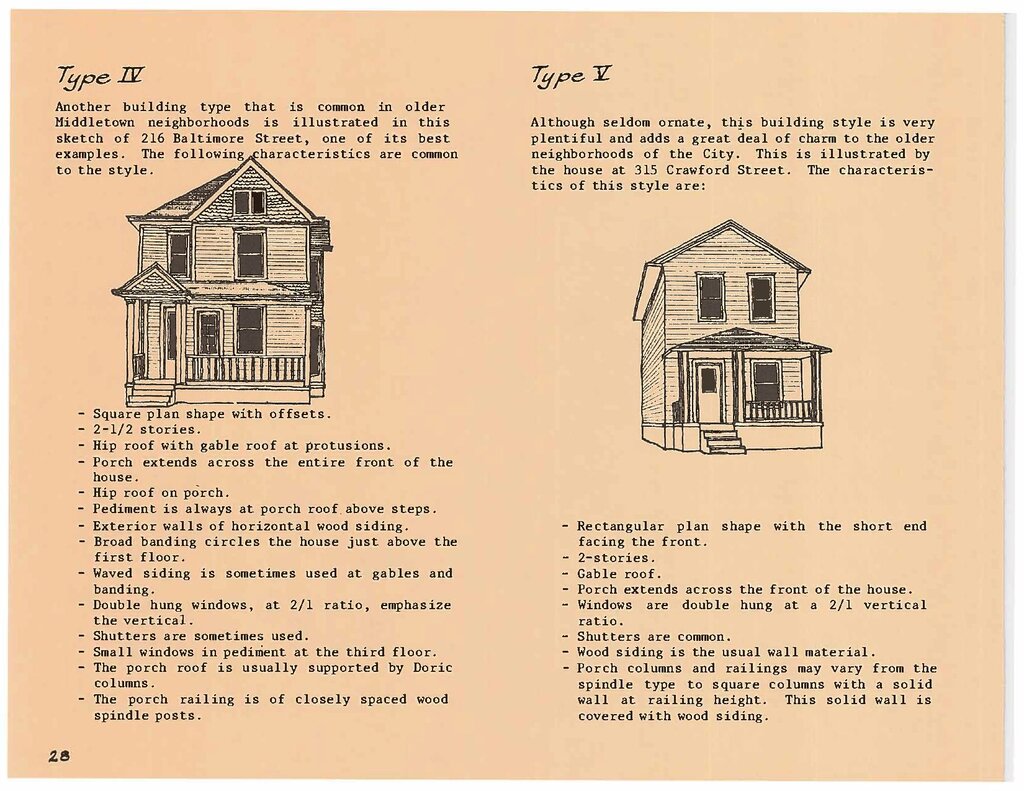
The defining feature of residential real estate is that it's designed for people to live in, not to conduct business.
Commercial Properties
Commercial properties are all about business. These are the spaces where commerce happens. This category is incredibly diverse and includes everything from the corner coffee shop to a massive downtown office skyscraper.
Think about the places you go to shop, eat, or work. Retail stores, restaurants, shopping malls, and office buildings all fall under the commercial umbrella. So do hotels, medical centers, and even some parking garages. If a property's main purpose is to generate income through business activities, it's likely commercial real estate.
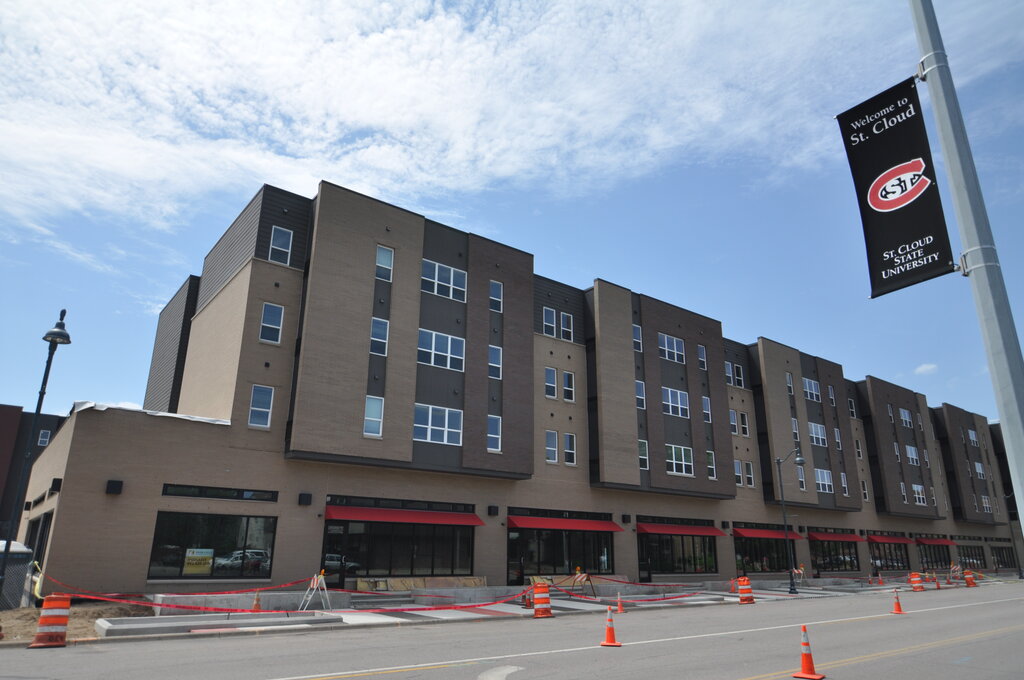
Unlike residential properties that are rented to tenants to live in, commercial properties are typically leased to businesses. The success of these properties is often tied directly to the health of the economy and the businesses that occupy them.
Industrial and Agricultural
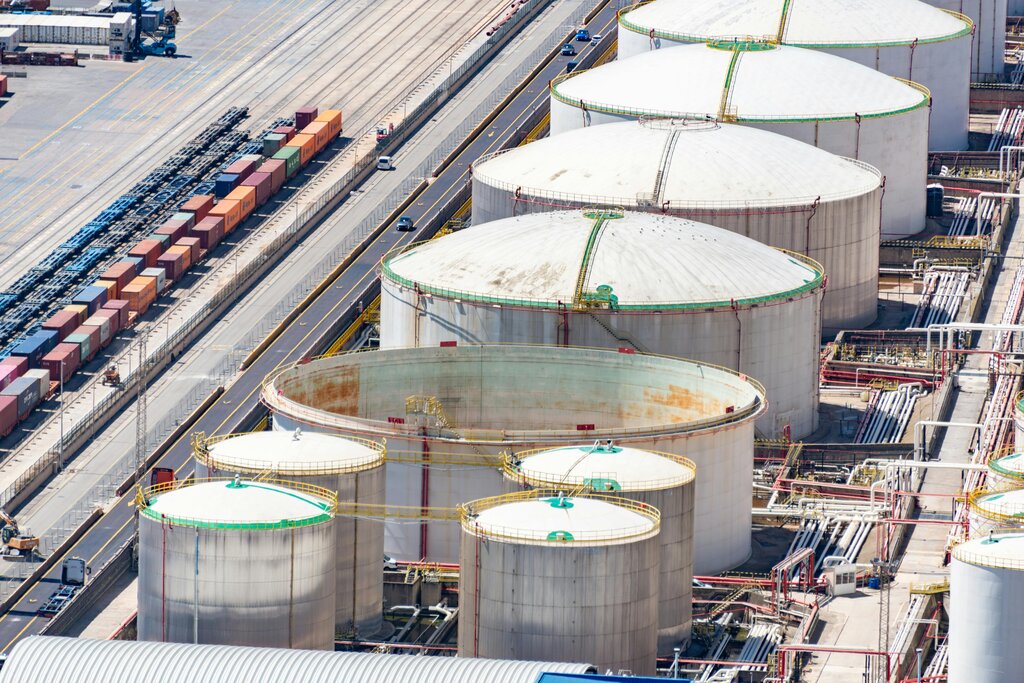
While commercial properties are for selling goods and services, industrial properties are where those goods are often made, stored, and shipped. This category includes factories, warehouses, and large distribution centers you might see near highways or ports.
These buildings are the backbone of logistics and manufacturing. They have specialized features like high ceilings for storage, loading docks for trucks, and heavy-duty power supplies for machinery.
Agricultural property is land used for farming and growing food. This includes farmland for crops like corn and wheat, ranches for raising livestock, and orchards for growing fruit.
These properties are unique because their value is tied not just to the land itself, but also to its productivity—things like soil quality, water rights, and crop yields play a huge role. It’s a vital part of the real estate world that feeds the population.
Industrial and agricultural lands are the engines of production, one for goods and the other for food.
Now that you've seen the main categories, let's test your knowledge.
A property's primary classification as 'commercial' real estate is determined by its:
Which of the following is the best example of an industrial property?
Each property type has its own characteristics and serves a unique role. Recognizing the differences is a fundamental skill in understanding the broader world of real estate.