Real Estate Digital Marketing in Tamil
Digital Marketing Basics
What Is Digital Marketing?
Digital marketing is any marketing effort that uses an electronic device or the internet. Businesses leverage digital channels such as search engines, social media, email, and their websites to connect with current and prospective customers.
Think of it this way: traditional marketing puts ads in places like magazines or on billboards. Digital marketing meets people where they spend a huge amount of their time anyway—on their phones and computers. It's not about interrupting them, but about becoming part of their online world.
Its importance has exploded because it allows businesses to target specific audiences with incredible precision. You're not just shouting into the void and hoping the right person hears. You can aim your message directly at people who are most likely to be interested in what you have to offer. This makes it more efficient and cost-effective than many traditional methods.
Reaching the right audience in the right way is the key to success in digital marketing.
The Main Channels
Digital marketing isn't just one thing. It's a collection of different tools and strategies, often called channels. While there are many, a few core channels form the foundation of most digital marketing plans. Let's break down the big five.
SEO
noun
Search Engine Optimization is the practice of increasing the quantity and quality of traffic to your website through organic search engine results.
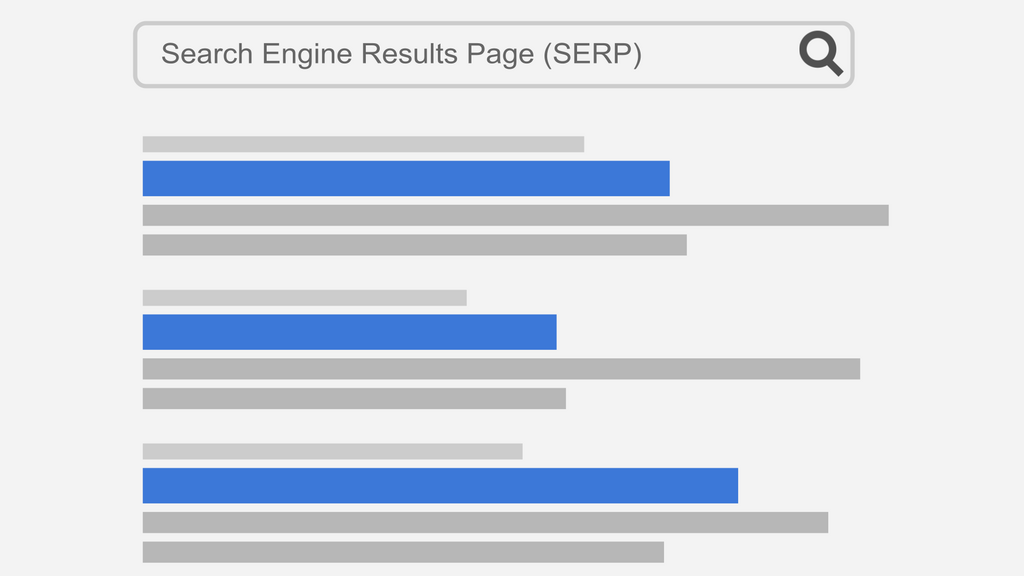
When you have a question, where do you go? For most people, the answer is Google or another search engine. SEO is the art and science of getting your website to show up higher on the search engine results page (SERP). When people search for terms related to your business, you want to be one of the first names they see.
Think of it as digital real estate. Being on the first page of Google is like having a shop on the busiest street in town. People are already looking for something, and good SEO helps them find you.
Next up is content marketing. This strategy isn't about directly selling a product or service. Instead, it's focused on creating and sharing valuable, relevant, and consistent content—like blog posts, videos, podcasts, or guides. The goal is to attract and retain a clearly defined audience.
By providing useful information, you build trust and establish yourself as an authority in your field. When that audience is eventually ready to buy, they're more likely to think of you first because you've already helped them.
A hardware store that creates a video tutorial on how to install a new light fixture is using content marketing. They're helping a potential customer solve a problem, not just pushing a product.
Social media marketing involves using platforms like Facebook, Instagram, LinkedIn, and X (formerly Twitter) to promote a brand. But it's more than just posting ads. It's about building a community, engaging in conversations, and showing the human side of your business. Each platform has its own audience and style, so the key is to be where your customers are and speak their language.

Email marketing is one of the oldest and most direct forms of digital marketing. It's the process of sending targeted messages to a list of people who have explicitly given you permission to contact them. Because these people have opted in, they are generally more receptive to your message.
Email is a powerful tool for nurturing relationships with potential customers and keeping current ones engaged. You can use it to share news, announce promotions, or provide exclusive content directly to their inbox.
Finally, we have pay-per-click (PPC) advertising. This is a model where marketers pay a fee each time one of their ads is clicked. The most common type of PPC is search engine advertising. Those ads you see at the very top of Google's results page? That's PPC.
It allows you to essentially buy visits to your site, rather than trying to "earn" those visits organically through SEO. It's a great way to get immediate visibility for specific keywords and target audiences based on demographics, location, and interests.
| Channel | Main Goal | Example |
|---|---|---|
| SEO | Increase visibility in organic search results | Optimizing a webpage to rank for “best coffee shops” |
| Content Marketing | Build trust and authority | A bank writing a blog post about saving for a first home |
| Social Media | Build community and engage with customers | A clothing brand running a photo contest on Instagram |
| Email Marketing | Nurture leads and retain customers | Sending a weekly newsletter with new product updates |
| PPC Advertising | Drive immediate, targeted traffic | Paying for an ad to appear when someone searches “buy running shoes” |
These five channels are the building blocks of digital marketing. Understanding how each one works is the first step to creating a strategy that helps you connect with the right people in the right places.