Real Estate Development Science and Business
Introduction to Real Estate Development
What Is Real Estate Development?
Real estate development is the process of turning ideas into physical spaces where people live, work, and play. It’s much more than just construction. It's a multifaceted business that coordinates everything from buying land to designing buildings, securing funds, and finally, managing the finished property.
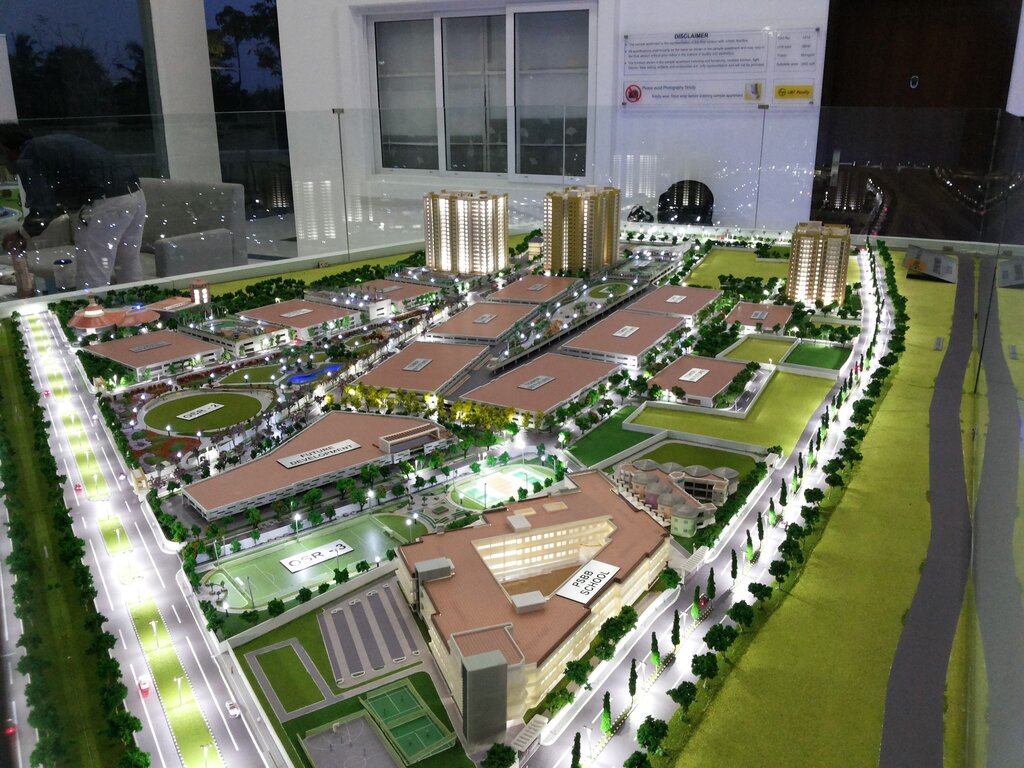
The scope of development can be vast. A project might be as small as renovating a single home or as large as creating an entire neighborhood from scratch, complete with homes, shops, and parks. At its core, development is about creating value by improving land or buildings to meet the needs of a community.
The Key Players
No development project happens in a vacuum. It’s a team effort that brings together a diverse group of professionals, each with a critical role to play. The developer acts as the conductor of this orchestra, guiding the project from start to finish.
| Stakeholder | Role |
|---|---|
| Developer | The visionary and project leader; acquires land, secures financing, and oversees the entire process. |
| Investors & Lenders | Provide the financial capital needed to fund the project, from initial land purchase to final construction. |
| Architects & Engineers | Design the buildings and infrastructure, creating the blueprints that guide construction. |
| General Contractor | Manages the day-to-day construction, hiring subcontractors and ensuring the project is built to specification. |
| Government Agencies | Review plans and issue permits, ensuring the project complies with zoning laws, building codes, and environmental regulations. |
| Brokers & Agents | Market the property to find buyers or tenants to occupy the finished space. |
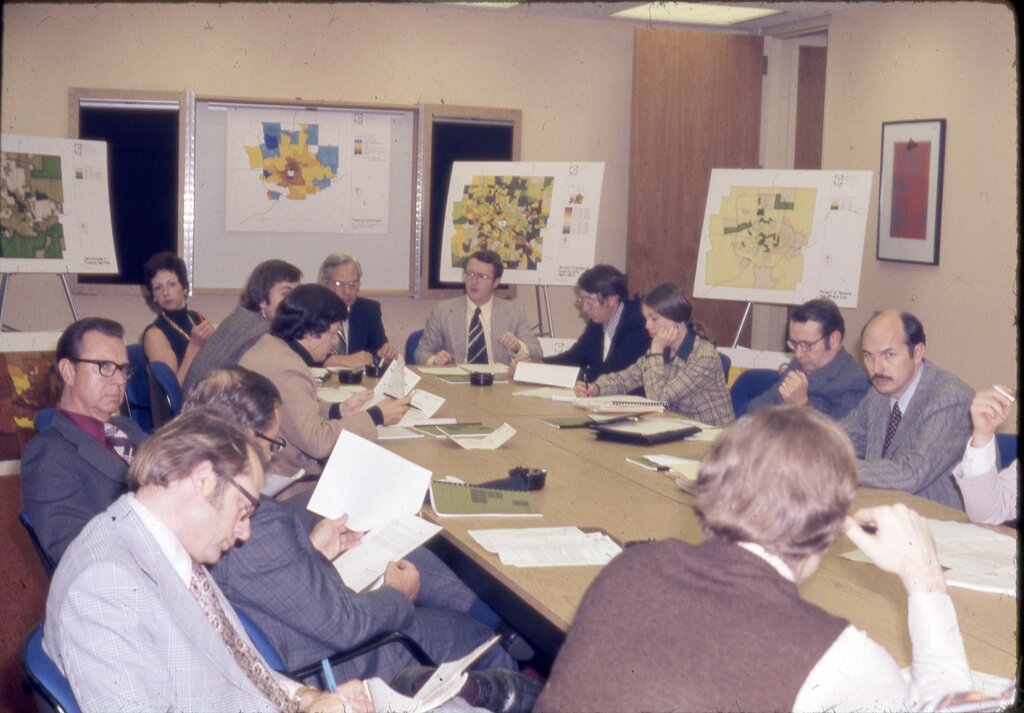
Effective collaboration among these stakeholders is essential for navigating the complexities of any project and bringing it to a successful completion.
The Development Journey
The path from an idea to a finished building follows a structured process, typically broken down into several key stages. While the details can vary, the overall journey is consistent across most projects.
- Idea & Feasibility: Every project starts with a concept. The developer conducts a market analysis to determine if the idea is viable. Is there demand for this type of project? What are the potential costs and profits? This stage answers the crucial question: "Should we do this?"
- Pre-Development & Entitlement: Once an idea seems promising, the developer works on securing the site and the legal rights to build. This involves negotiating land purchases and navigating the complex process of obtaining zoning approvals and permits from local government. This is often called the entitlement process.
- Design & Financing: Architects and engineers create detailed plans and construction documents. Simultaneously, the developer secures the necessary loans and investment capital to fund the construction.
- Construction: The general contractor takes over to turn the blueprints into a physical structure. This is the most visible phase, where the building rises from the ground.
- Marketing & Leasing/Sales: Before and during construction, a marketing team works to attract tenants or buyers. The goal is to have the building occupied and generating revenue as soon as possible after completion.
- Asset Management: After the building is constructed and occupied, it must be managed. This includes ongoing maintenance, collecting rent, and managing finances to ensure the property remains a profitable and well-maintained asset.
A Mix of Disciplines
Real estate development isn't just one skill; it's the intersection of many. A successful developer must be a generalist with a strong understanding of finance, design, marketing, law, and construction. They need to analyze economic trends, appreciate good architectural design, negotiate complex legal agreements, and manage large-scale construction projects.
This interdisciplinary nature makes the field both challenging and dynamic. It's about bringing together different forms of expertise to solve a complex puzzle: how to create a valuable, functional, and desirable space that improves the built environment.
If you’re interested in pursuing commercial real estate development as a career or as a business venture, you need to first understand the process from start to finish.
Before we wrap up, let's review the key terms we've covered.
Ready to check your understanding? Let's see what you've learned about the fundamentals of real estate development.
What is the primary purpose of real estate development?
The process of obtaining legal approvals like zoning changes and permits from local government is known as the __________ process.
Understanding these foundational concepts is the first step. Development is a complex process that shapes the world around us, one project at a time.