Real Estate Development Finance Essentials
Real Estate Development Process
The Development Lifecycle
Real estate development is the process of turning ideas on paper into physical buildings and communities. It's more than just construction; it's a complex journey that brings land, labor, and capital together to create value where there was none before. This journey follows a structured path from a rough concept to a fully operational property.
If you’re interested in pursuing commercial real estate development as a career or as a business venture, you need to first understand the process from start to finish.
Thinking of it as a lifecycle helps. While every project is unique, most follow a similar pattern of stages. Understanding these stages is the first step to navigating the world of development.
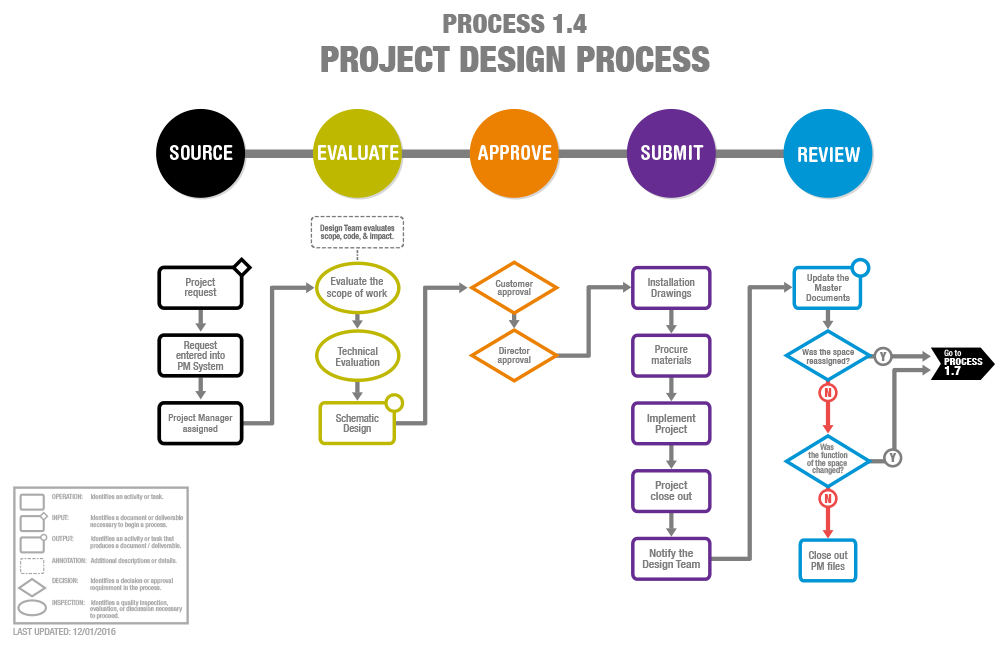
The main stages are:
- Inception & Feasibility: This is the idea stage. A developer identifies a potential opportunity, like an unmet housing need or a demand for new retail space.
- Pre-Development & Entitlement: The idea is refined into a concrete plan. This involves design work, securing financing, and getting legal permission from local authorities to build.
- Construction: The physical building process, from breaking ground to finishing the interiors.
- Stabilization & Operation: After construction, the property is leased out to tenants. The goal is to reach a stable level of occupancy, turning the building into a functioning asset. From there, it is managed as an ongoing operation.
Assembling the Team
No developer works alone. A successful project requires a team of specialists and stakeholders, each playing a critical role. The developer acts as the conductor of an orchestra, coordinating everyone's efforts to bring the project to life.
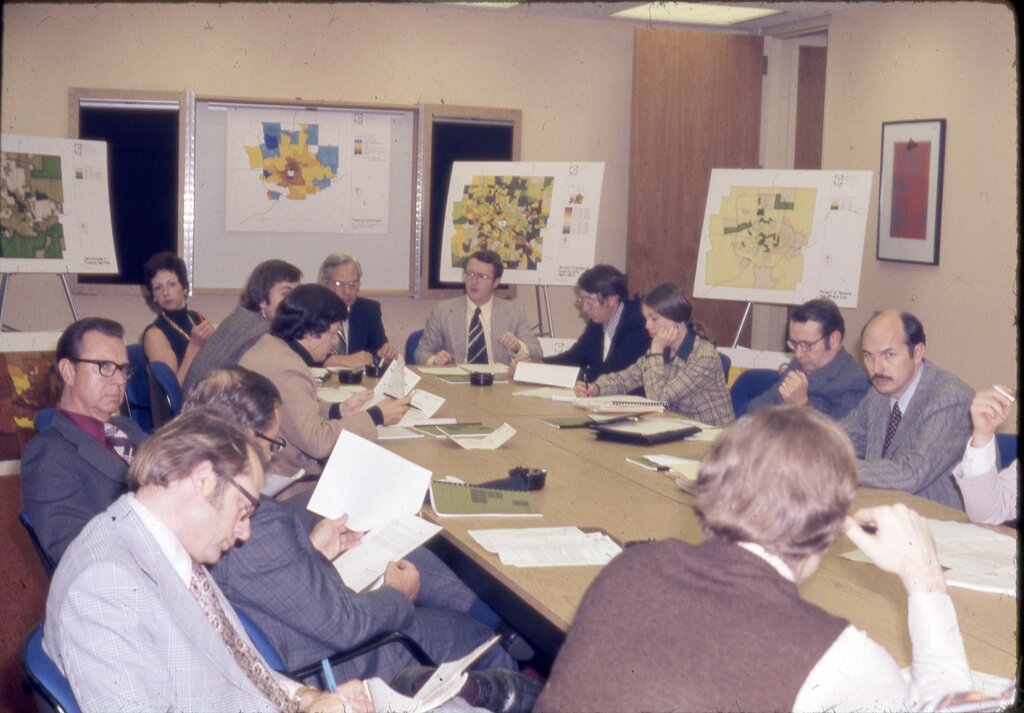
The key players include:
- The Developer: The project's champion and leader. They find the opportunity, secure the land, raise the money, and manage the entire process.
- Investors: They provide the equity, or capital, needed to fund the project. In return, they expect a share of the profits. This can range from a few individuals to large institutional funds.
- Regulatory Bodies: These are the government agencies that have the power to approve or deny a project. This includes city planning departments, zoning boards, and building permit offices. Their job is to ensure the project meets community standards and safety regulations.
A successful developer can assess site feasibility, negotiate with owners and local authorities, secure appropriate permits, and follow local, state, and federal regulations.
Other vital team members are architects who design the building, engineers who ensure its structural integrity, general contractors who manage construction, and lawyers who handle all the contracts and legal hurdles.
Laying the Groundwork
Before a single shovel hits the dirt, a massive amount of research and planning must happen. This initial phase, often called due diligence, is where projects are made or broken. Three of the most important steps are market analysis, site selection, and the feasibility study.
Market analysis asks: Should we build this here? Site selection asks: Can we build it here? The feasibility study puts it all together and asks: Does this make sense?
Market Analysis is the process of studying a specific area to understand its economic and demographic trends. Developers look at population growth, employment rates, and average income. They also analyze the existing supply of similar properties and gauge the demand for a new one. Is there a shortage of apartments? An oversupply of office space? This research determines if an idea has real market potential.
Site Selection comes next. Once the market analysis confirms an opportunity, the developer needs to find the right piece of land. The ideal site is not just about location. It must be zoned for the intended use, be accessible to roads and utilities, and have physical characteristics suitable for construction. Developers analyze topography, soil conditions, and environmental factors to ensure the site is viable.
Finally, the Feasibility Study combines the market analysis, site details, and preliminary cost estimates into one comprehensive report. It projects the total cost of the project and estimates the potential income from rent or sales. This study answers the ultimate question: Is the project financially viable? If the numbers work, the developer can move forward with confidence, seeking financing and official approvals.
What is the primary role of the developer in a real estate project?
A developer is researching population growth and employment rates in a specific city to gauge the demand for new office space. What is this process called?
This structured process, from a simple idea to a complex feasibility study, provides the foundation for every successful real estate development.