Reading Strategies for ADHD
Understanding ADHD
What is ADHD?
Attention-Deficit/Hyperactivity Disorder, or ADHD, is a neurodevelopmental condition. It's not a character flaw or a lack of willpower. It's a different way the brain is wired, affecting how it manages focus, activity level, and impulse control. People with ADHD often find it challenging to filter out distractions, stay organized, and sustain attention on tasks that aren't highly stimulating.
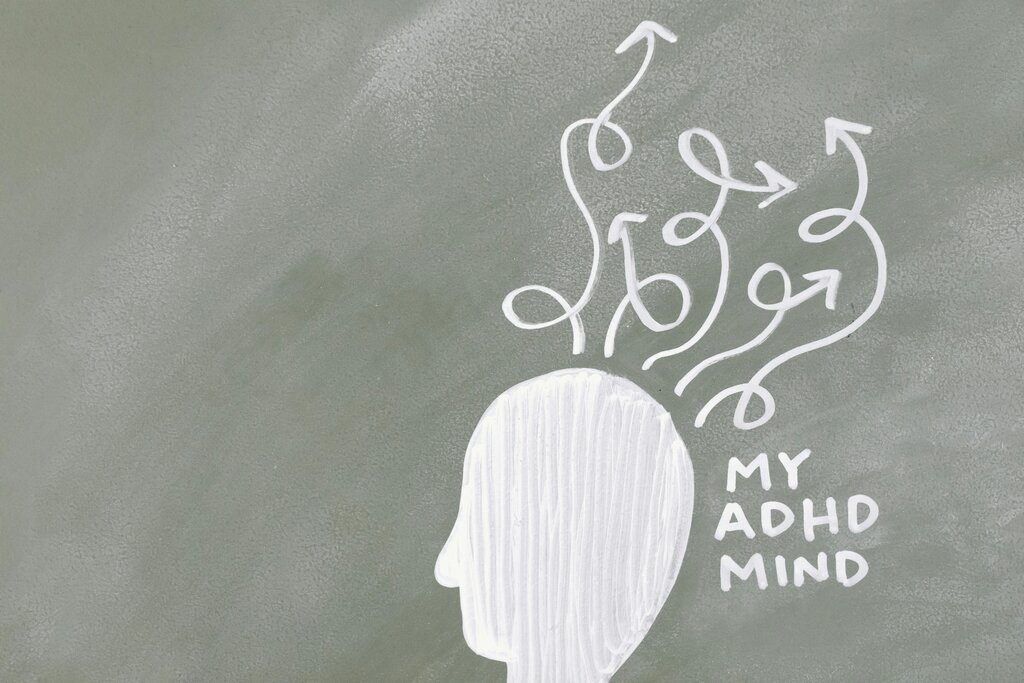
The experience of ADHD varies greatly from person to person. It's often categorized into three main types:
| Type | Key Characteristics |
|---|---|
| Predominantly Inattentive | Difficulty sustaining attention, forgetfulness, easily distracted. |
| Predominantly Hyperactive-Impulsive | Restlessness, fidgeting, talking excessively, acting without thinking. |
| Combined Presentation | A mix of both inattentive and hyperactive-impulsive symptoms. |
Regardless of the type, the core challenge often revolves around executive functions. These are the brain's self-management skills, like planning, organizing, and regulating emotions. When these functions work differently, it can impact many areas of life, from school and work to personal relationships.
A Look Inside the Brain
The differences in ADHD start at a neurological level. Brain imaging studies show variations in the structure, function, and chemistry of the brains of individuals with ADHD compared to those without.
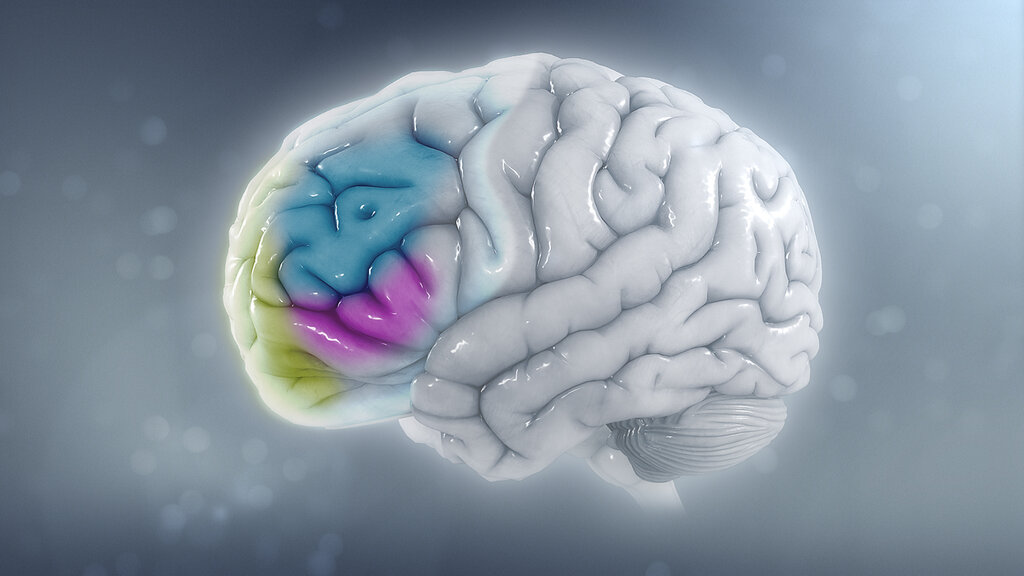
One key area is the prefrontal cortex. This is the brain's command center, responsible for executive functions like decision-making, focusing, and impulse control. In individuals with ADHD, this region can be less active or mature more slowly.
Neurotransmitters, the chemical messengers in the brain, also play a crucial role. Dopamine, which is linked to reward, motivation, and focus, often functions differently in the ADHD brain. This can make it hard to stay engaged with tasks that don't provide an immediate sense of reward or interest.
It's important to see this not as a deficit, but as a difference. The ADHD brain is constantly seeking stimulation, which can be a source of great creativity and energy when channeled effectively.
ADHD affects how an individual processes information and reacts to external stimuli.
ADHD and the Reading Experience
Reading is a complex task that demands sustained focus, working memory, and the ability to filter out distractions. For someone with ADHD, this can feel like trying to listen to a single conversation in a loud, crowded room. The brain may struggle to stick with the text, wandering off to other thoughts or getting pulled away by nearby sounds and sights.
Individuals with ADHD often face unique challenges when it comes to retaining information.
This challenge isn't about intelligence. It's about how the brain handles information. Working memory, the ability to hold and manipulate information for short periods, is essential for reading comprehension. You need to remember the beginning of a sentence to understand the end, and recall earlier paragraphs to follow the overall narrative. ADHD can impact working memory, making it difficult to connect ideas and grasp the bigger picture.
As a result, reading can become frustrating. A person might read the same page multiple times without absorbing the content, leading to a dislike of reading altogether. They might also read quickly and impulsively, skimming over important details.
Your Brain Can Change
The good news is that brains are not fixed. They are constantly changing and adapting based on our experiences. This remarkable ability is called neuroplasticity.
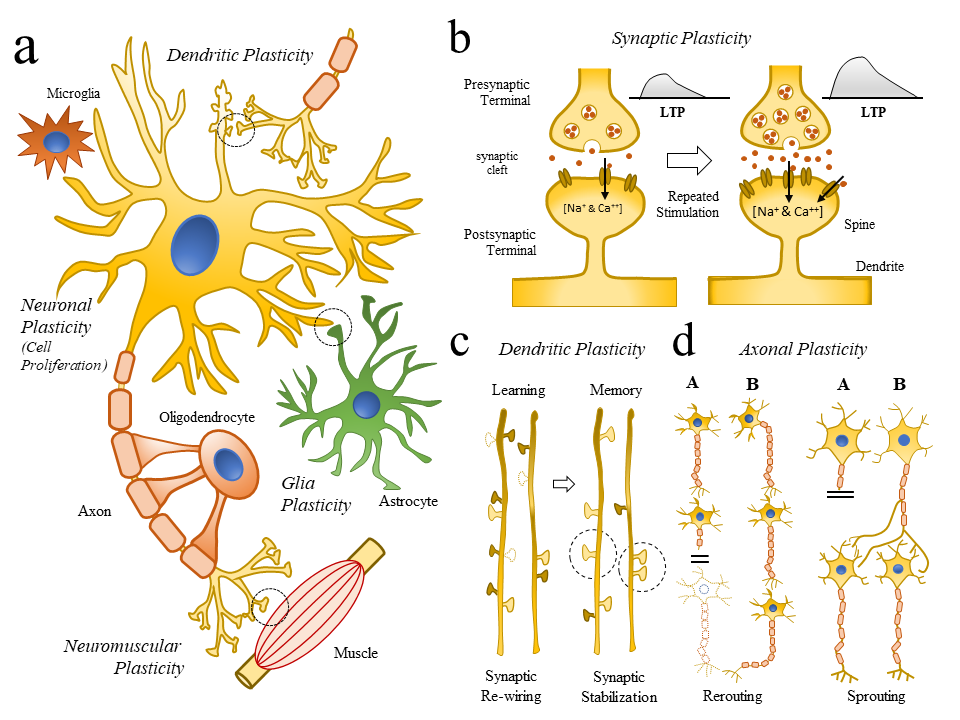
For someone with ADHD, neuroplasticity means that it's possible to build and strengthen the neural pathways associated with focus and attention. Every time you practice a new skill or develop a new way of thinking, you are physically rewiring your brain.
This doesn't mean
This doesn't mean ADHD can be "cured," because it's not a disease. Instead, it means you can learn to work with your brain's unique wiring. By understanding how your brain works, you can develop strategies and build environments that support your ability to focus and engage, including with reading. The brain is adaptable, and with consistent effort, you can create lasting change.
The key is working with (not against) your ADHD brain, and combining the specific factors that help your focus flourish.
Now, let's test what you've learned about the fundamentals of ADHD.
ADHD is best described as which of the following?
Which part of the brain, responsible for executive functions like decision-making and focusing, often shows differences in individuals with ADHD?
Understanding the 'why' behind ADHD is the first step. Next, we'll explore practical strategies to turn these insights into action.