React Fundamentals for Beginners
Introduction to Programming
What is Programming?
At its heart, programming is simply telling a computer what to do. Think of a computer as an incredibly powerful but very literal assistant. It can perform calculations at lightning speed, but it needs exact instructions for every single step. It has no common sense and can't guess what you mean.
These instructions are what we call a program. You can't just write them in plain English, though. Computers operate on a fundamental level of on-and-off electrical signals, represented by ones and zeros. This is called binary code. Trying to write instructions in binary would be impossibly tedious for a human.
This is where programming languages come in. They act as a bridge, allowing us to write instructions in a way that is more understandable to us. A special program, called a compiler or an interpreter, then translates our code into the binary instructions the computer's processor can execute.
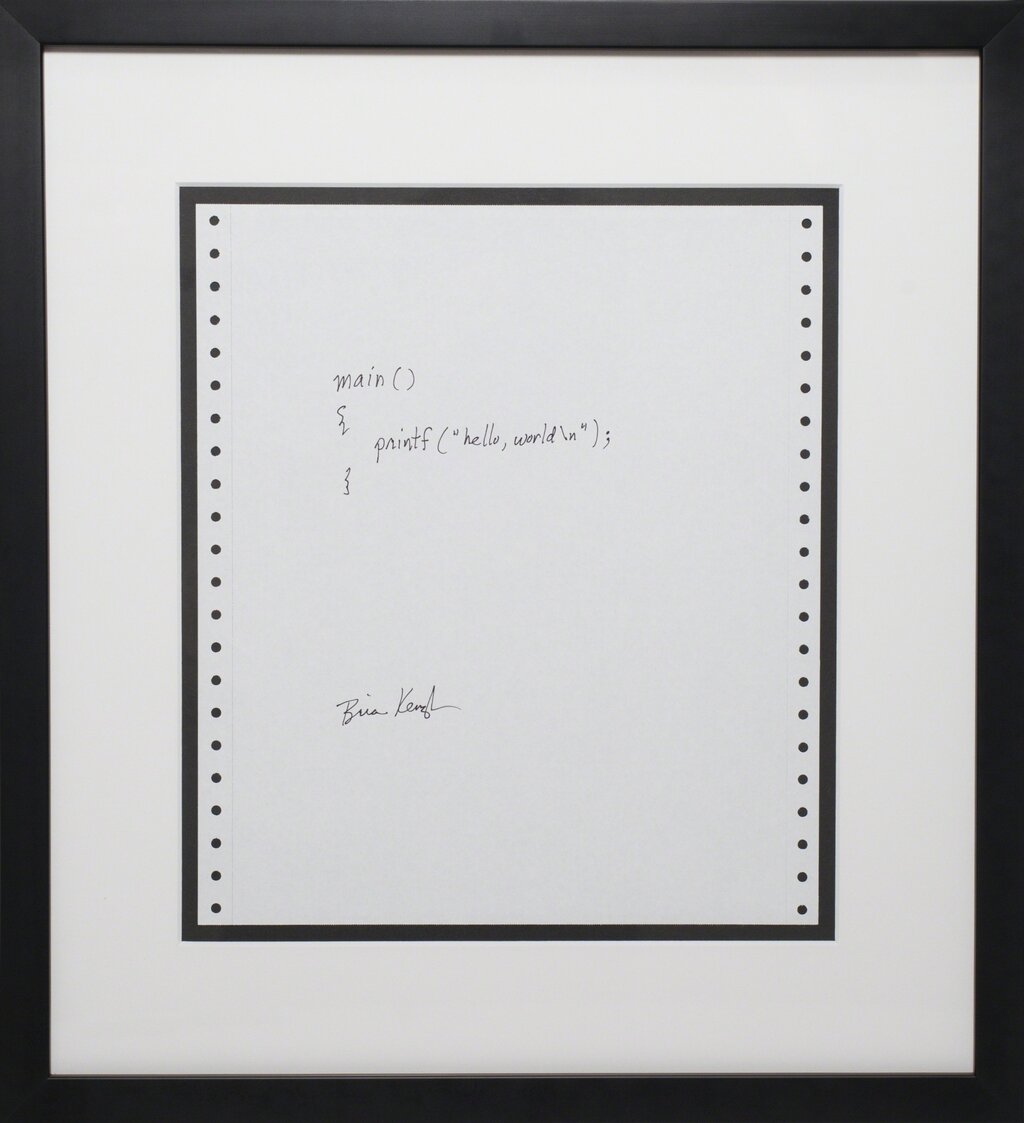
This simple program just tells the computer to display the words "hello, world" on the screen. It's often the very first program someone writes when learning a new language. Even this small piece of code follows specific rules to work correctly.
Thinking in Logic
Before you can write a program, you need a plan. In programming, that plan is called an algorithm. It's a term that sounds technical, but you use algorithms all the time. A recipe for baking cookies is an algorithm. The steps you follow to get ready for work in the morning form an algorithm.
An algorithm is just a step-by-step sequence of actions to solve a problem or complete a task. The key is to break a large task down into small, manageable, and unambiguous steps. For example, if your task is "Make a peanut butter and jelly sandwich," your algorithm might look like this:
- Get two slices of bread.
- Get the peanut butter.
- Get the jelly.
- Get a knife.
- Spread peanut butter on one slice of bread.
- Spread jelly on the other slice of bread.
- Put the two slices of bread together.
Programming is the process of turning this kind of logical plan into code that a computer can follow. The more you practice thinking this way, the better you'll get at it.
Languages and Syntax
There are hundreds of programming languages, each with its own strengths. Some, like Python, are known for being easy to read. Others, like C++, are used for high-performance applications like video games.
No matter the language, they all have a strict set of grammatical rules called syntax. Syntax is like the grammar and punctuation of a human language. In English, we know that a sentence should end with a period or a question mark. If you use a comma instead, the sentence might not make sense. Programming languages are even stricter. A single misplaced parenthesis or a misspelled command can prevent the entire program from running.
print("Hello, World!")
This is the "Hello, World!" program in Python. It's clean and simple. But the syntax is still precise. You need the parentheses, and the text you want to print must be inside quotation marks. Forgetting any of these details will cause an error.
Once you've written your code in a text editor, you need to run it. This is where the compiler or interpreter comes in. It reads your code, checks it for syntax errors, and if everything is correct, translates it into machine code for the computer to execute. If it finds an error, it will stop and report the problem to you.
Finding and Fixing Mistakes
Writing code that doesn't work the first time is completely normal. In fact, it's expected. The process of finding and fixing errors, or "bugs," is called debugging. It’s one of the most fundamental skills a programmer has.
There are two main types of errors you'll encounter.
A syntax error is like a typo or a grammatical mistake. You've broken the language's rules, and the compiler or interpreter will usually catch it for you. It will often point you to the exact line of code where the mistake occurred.
A logic error is trickier. The code is grammatically correct and the program runs, but it doesn't do what you intended it to do. It’s like following a recipe perfectly but using salt instead of sugar. The steps were followed, but the result is wrong. The computer did exactly what you told it to do, not what you meant for it to do.
Debugging logic errors is like detective work. A common technique is to print out the values of variables at different points in your program to see where things start to go wrong. It's a process of narrowing down the possibilities until you find the source of the problem.
Debugging is a core part of programming. Every error is a learning opportunity that deepens your understanding of how the code works.
Now, let's test your understanding of these core concepts.
What is the primary purpose of a programming language?
A step-by-step plan for solving a problem, like a recipe for baking a cake, is known as an ________.
Understanding these ideas—instructions, algorithms, syntax, and debugging—is the foundation of all programming. With this base, you are now ready to start exploring specific languages and building your skills.