Raw Vegan Diet Integration
Introduction to Raw Veganism
What is Raw Veganism?
The raw vegan diet is a way of eating that combines the principles of veganism with those of raw foodism. This means consuming only plant-based foods, and ensuring they are either completely uncooked or not heated above a specific temperature, typically between 104–118°F (40–48°C).
raw veganism
noun
A diet consisting of unprocessed, plant-based foods that are not heated above 104–118°F (40–48°C), excluding all animal products.
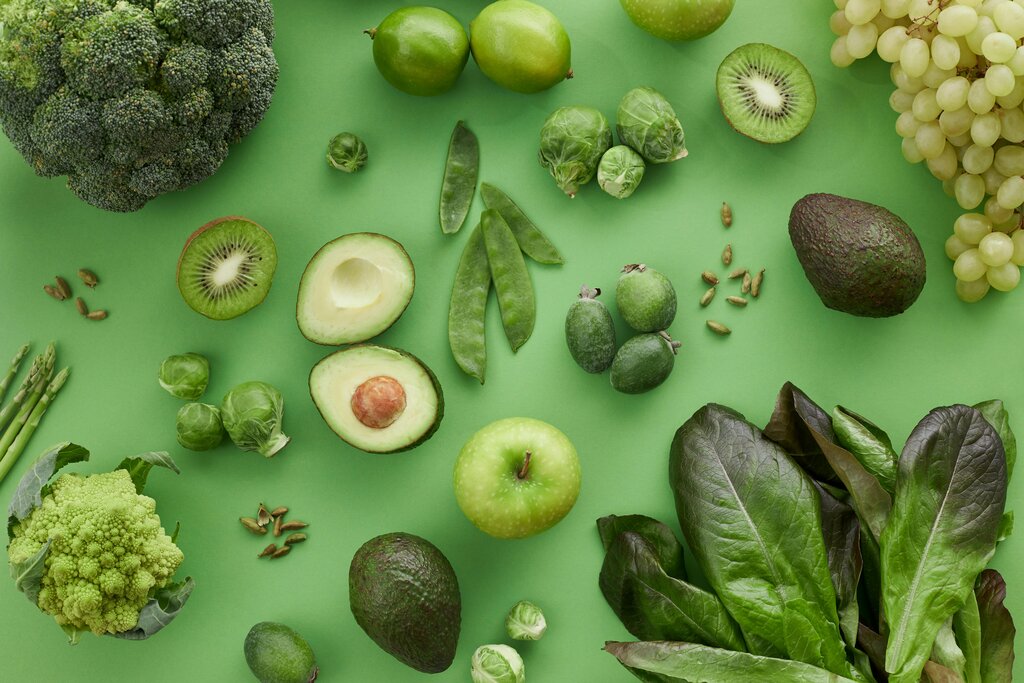
Think of it as eating foods in their most natural state. The diet is rich in fruits, vegetables, nuts, seeds, and sprouted grains and legumes. Instead of cooking with heat, preparation methods include blending, juicing, soaking, sprouting, and dehydrating.
The Philosophy Behind It
The core belief of raw veganism is that heating food above a certain temperature destroys its natural enzymes and reduces its nutrient content. Enzymes are believed to aid in digestion and overall health. Proponents argue that cooking diminishes vital, heat-sensitive nutrients like vitamin C and certain B vitamins.
By keeping food raw, the goal is to consume it in its purest form, complete with all its natural life force and nutritional value intact.
This approach holds that raw foods provide more energy and are less taxing on the body's digestive system. The idea is that eating this way aligns more closely with what our ancient ancestors might have eaten before cooking was widespread.
Raw Foodsim it is a diet of unheated food, or food cooked to a temperature less than 46 °C, preserving enzymes and nutrients in the foods whilst avoiding some of the toxins that we put into our bodies when they are cooked above those temperatures.
Potential Health Perks
People are often drawn to a raw vegan diet for its potential health benefits. Because the diet is based on whole, plant-based foods, it's naturally high in vitamins, minerals, fiber, and phytonutrients.
Some reported benefits include:
- Increased Nutrient Intake: Eating a wide variety of fresh produce can boost your intake of essential micronutrients.
- Improved Digestion: The high fiber and water content in raw fruits and vegetables can support regular digestion.
- Weight Management: Raw foods are often low in calories and high in fiber, which helps you feel full and satisfied, potentially aiding in weight loss or maintenance.
Clearing Up Misconceptions
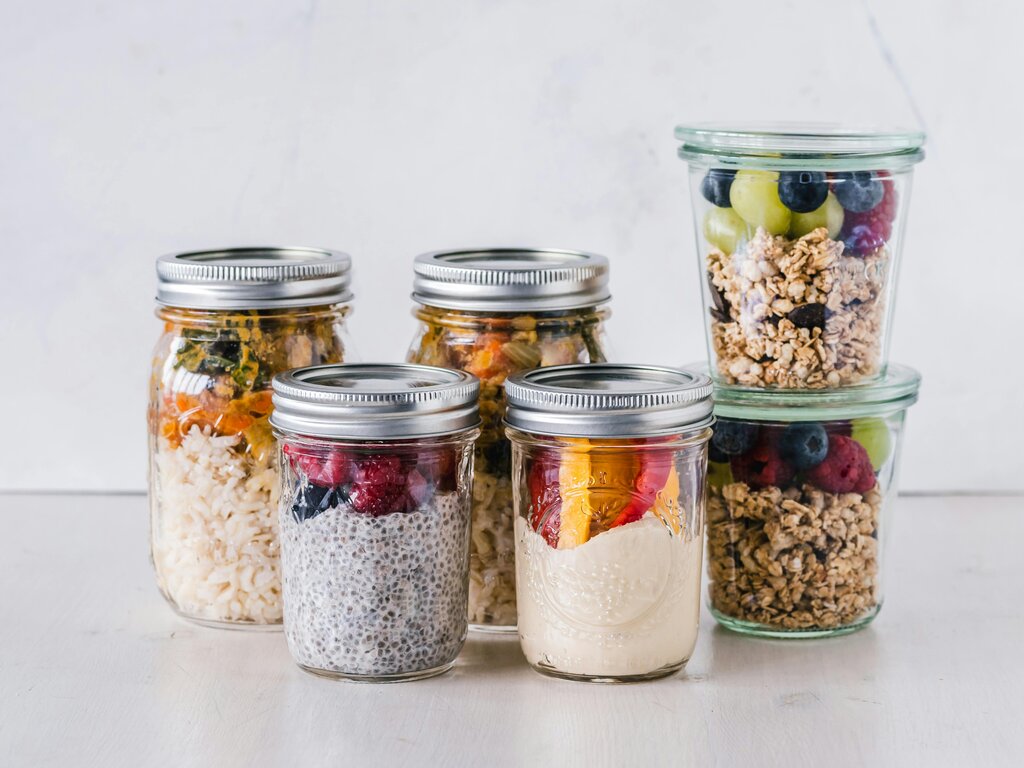
There are a few common myths about the raw vegan diet. One is that it's boring and consists only of salads. In reality, the diet can be quite creative and diverse. With tools like blenders and dehydrators, raw foodists make everything from soups and sauces to crackers, breads, and even intricate desserts.
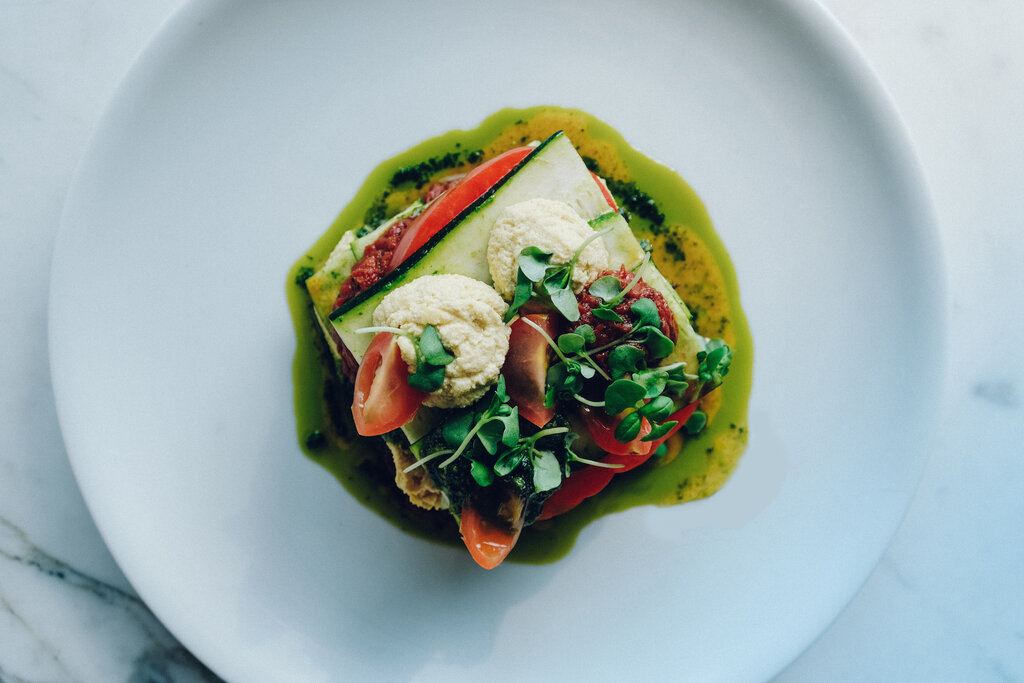
Another misconception is that it's impossible to get enough protein. However, many raw plant foods are good sources of protein, including nuts, seeds, and sprouted legumes like lentils and chickpeas.
Finally, it's worth noting that not all cooking is inherently bad. While raw foodism emphasizes the benefits of uncooked foods, cooking can actually make certain nutrients, like the lycopene in tomatoes or the beta-carotene in carrots, more available for the body to absorb.
What is the defining characteristic of the raw vegan diet regarding food preparation?
According to raw foodism, what is the primary reason for avoiding high-heat cooking?
Understanding these core ideas provides a solid foundation for exploring the world of raw veganism.