RASP Preparation Path for Young Candidates
Tactical Athlete Fundamentals
Athlete vs Operator
Being fit and being a tactical athlete aren't the same thing. A marathon runner has incredible endurance but might struggle to carry a heavy pack. A powerlifter can move massive weight but might gas out on a five-mile run. The goal for a Ranger isn't to be the best at one thing, but to be very good at everything.
Think of it as being a utility player on a sports team. You need the strength to handle gear, the endurance to cover long distances, and the explosive power to react instantly. This well-rounded capability is the core of tactical fitness. It's about building a body that can handle any physical demand thrown at it, often when you're already tired and stressed.
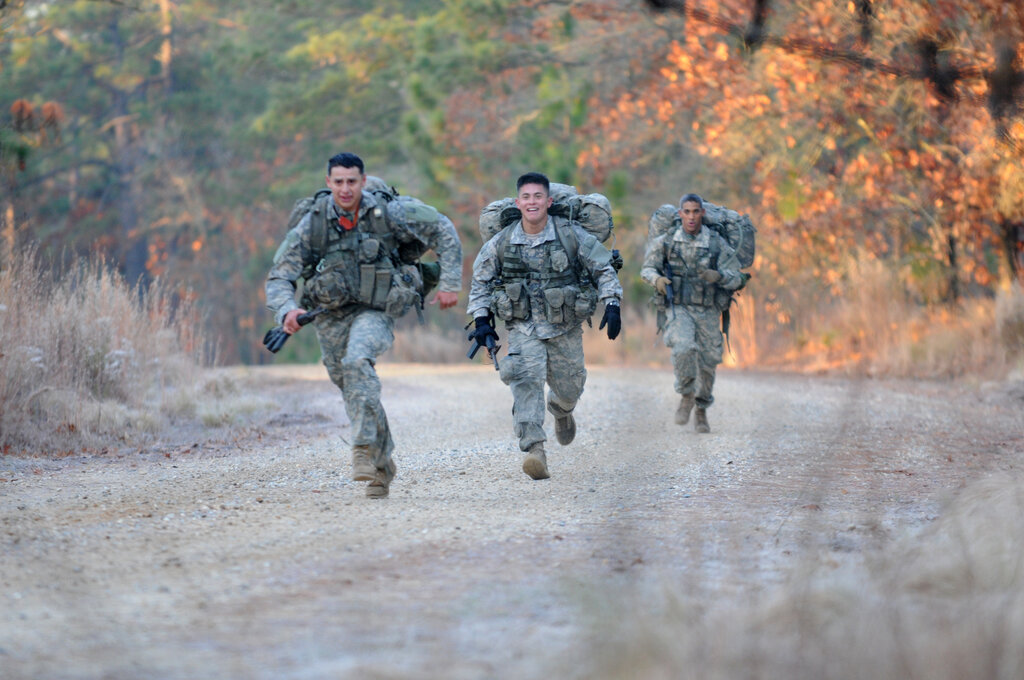
For someone your age, the focus is on building a solid foundation. You're not training for the RASP 1 that's next month; you're building the body that will be ready for it years from now. This means prioritizing smart, sustainable training over pushing to exhaustion every day. Injury prevention is mission number one.
The Ranger Engine
To build that well-rounded capability, training focuses on three key areas. These are the pillars of your physical readiness.
-
Muscular Strength: This is your ability to move heavy objects, including your own body weight plus gear. The foundation of strength is built with compound movements—exercises that work multiple muscle groups at once. Think squats, deadlifts, pull-ups, and overhead presses. At your age, mastering perfect form is far more important than the amount of weight on the bar. A light squat done correctly builds more useful strength than a heavy, sloppy one. It also keeps you from getting injured.
-
Aerobic Capacity: This is your long-duration engine. It's what allows you to run for miles, ruck march, and keep moving without hitting a wall. Your aerobic system uses oxygen to efficiently produce energy for sustained activity. Consistent running, swimming, or cycling are classic ways to build this capacity. You need an engine that doesn't quit.
-
Anaerobic Power: This is your ability to go all-out in short, intense bursts. Think sprinting from cover to cover, climbing a wall, or carrying a teammate. These actions are too fast for your body to use oxygen for fuel. Instead, it relies on energy stored directly in your muscles. This system gives you explosive power but fades quickly. Training it involves high-intensity intervals: sprints, box jumps, and fast-paced circuits.
Training Smart
So how do you balance these three areas? You can't just go hard on everything all at once. That's a recipe for burnout or injury. The key is structured training that allows for work and recovery.
A common approach is to dedicate different days to different fitness qualities. For example, a week might include two days focused on strength (lifting), two days on aerobic endurance (running), and one day on anaerobic power (sprints and circuits). Your body grows stronger during rest, not during the workout itself. Sleep and nutrition are just as important as the training.
Your training schedule is a long-term plan, not a daily punishment. Consistency beats intensity.
The 75th Ranger Regiment has its own physical test, the Ranger Athlete Warrior (RAW) assessment. While the standards can change, it measures this exact blend of fitness. It typically includes events like a 5-mile run, pull-ups, push-ups, a weight vest run, and functional movements like deadlifts or sled drags. It’s a test of the complete tactical athlete, not just one component of fitness.
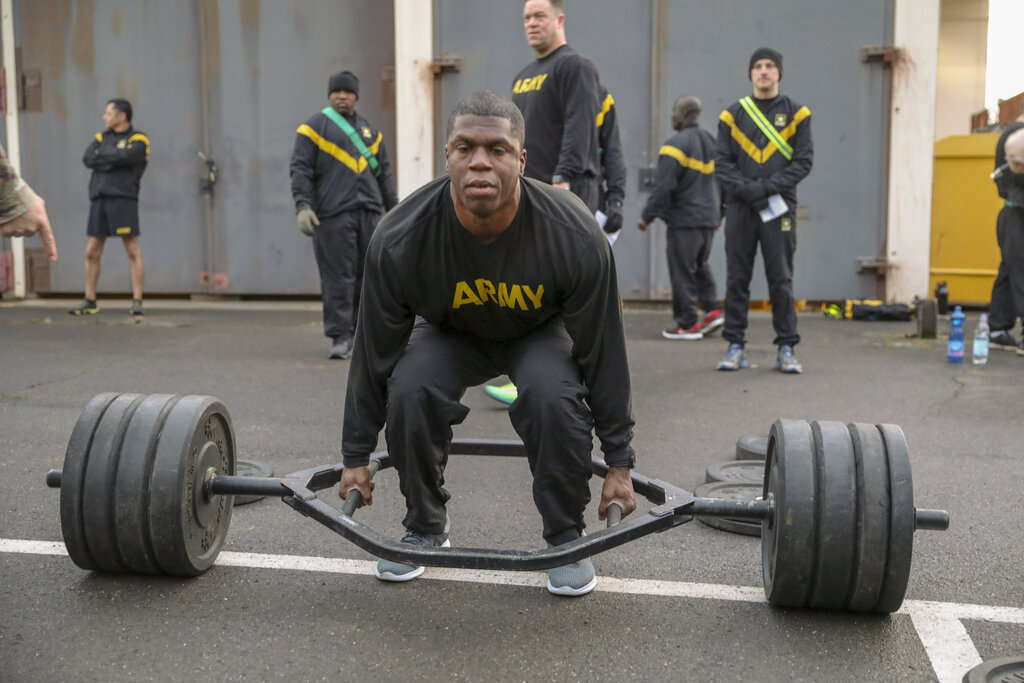
As a young athlete, your body is still developing. Your bones, tendons, and ligaments are not fully mature. This is why proper and a focus on technique are non-negotiable. Learning how to move correctly now will prevent injuries and build a much stronger base for the future. The goal isn't just to get strong, but to build a durable, resilient body that will last a long career.
What is the primary goal of a 'tactical athlete' as described in the text?
Which type of exercise is considered foundational for building muscular strength in a tactical fitness program?
Building the physical foundation for a Ranger is a marathon, not a sprint. Focus on mastering the basics, training consistently, and staying healthy. That is the surest path to being ready when the time comes.