Rare Earth Magnets and Supply Chain Dynamics
Introduction to Rare Earth Magnets
What Makes a Magnet 'Rare'?
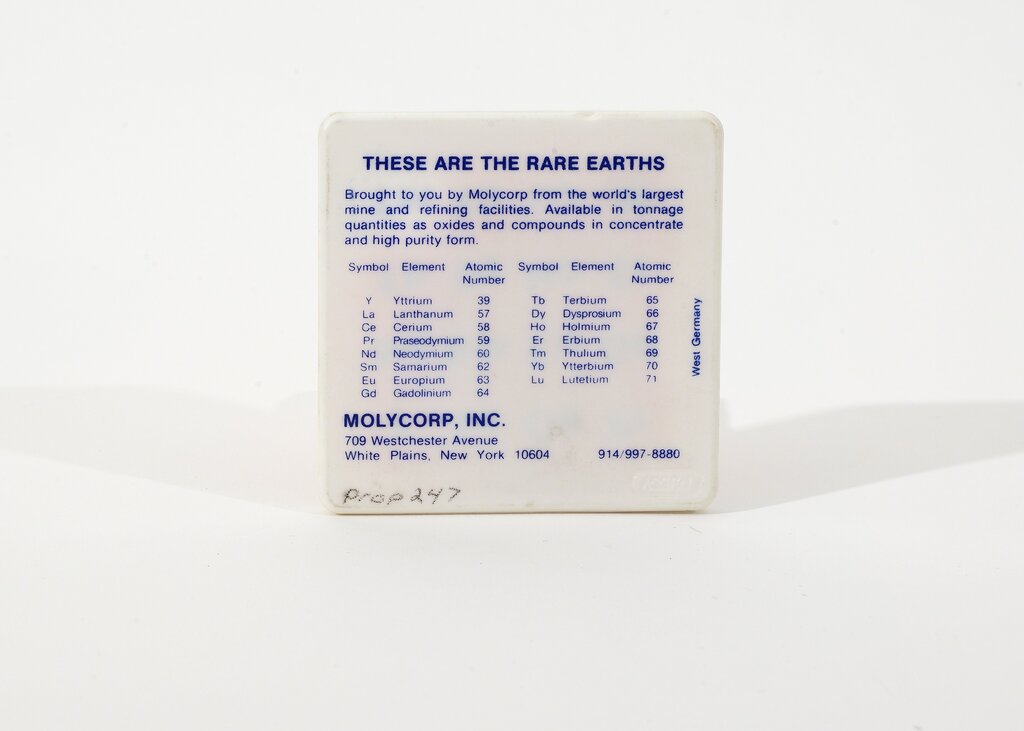
The term “rare earth” is a bit of a misnomer. The elements used to make these magnets aren’t actually all that rare in the Earth’s crust. Cerium, for instance, is more common than copper. What makes them tricky is that they're seldom found in concentrated, economically mineable deposits.
rare earth element
noun
Any of a group of 17 chemically similar metallic elements, including the 15 lanthanides plus scandium and yttrium.
When we talk about rare earth magnets, we're referring to powerful permanent magnets made from alloys of these elements. Unlike the simple iron magnets you might have on your refrigerator, rare earth magnets are significantly stronger and more compact. They have completely reshaped modern technology.
There are two main types, each with its own unique strengths.
The Two Main Types
The most common and powerful type is the neodymium magnet. Its full name is a mouthful: neodymium-iron-boron (NdFeB). These are the strongest permanent magnets commercially available. Their incredible magnetic field allows for powerful performance in a small package. You'll find them everywhere, from the tiny motors that make your phone vibrate to the large generators in wind turbines.
However, NdFeB magnets have a weakness: they don't handle high temperatures well. Heat can cause them to lose their magnetic strength, a process known as demagnetization. For applications involving high heat, we turn to the second type.
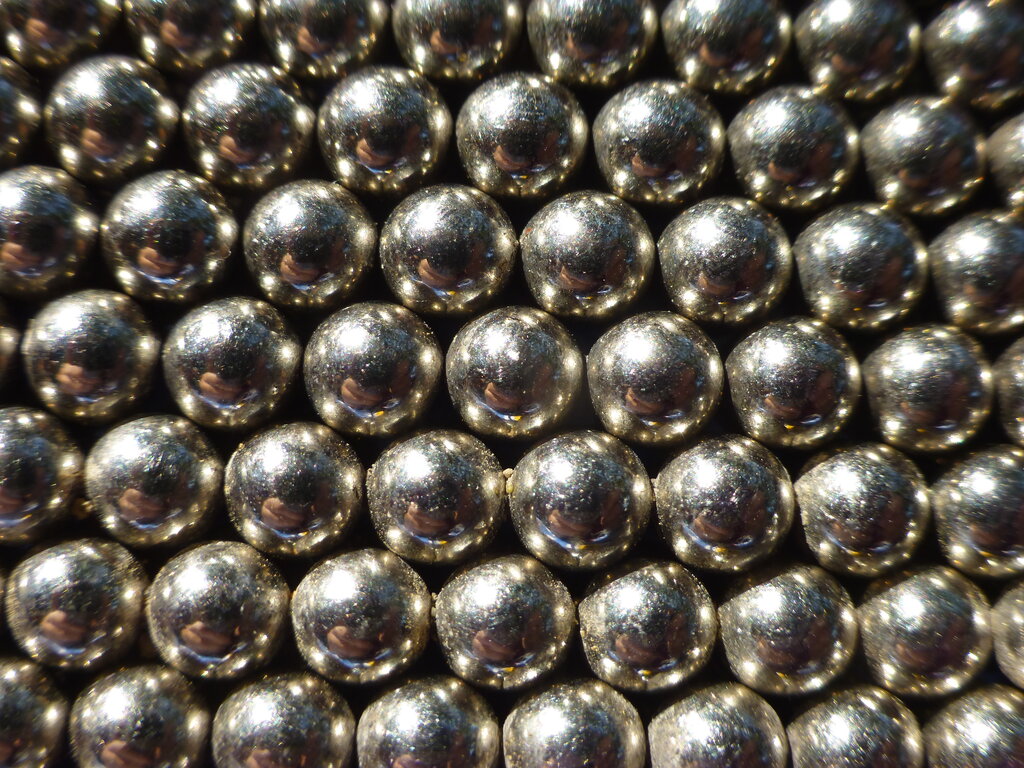
Samarium-cobalt (SmCo) magnets were developed before neodymium magnets. While not quite as strong, they have a major advantage: a much higher temperature resistance. They also offer excellent corrosion resistance. This makes them ideal for demanding applications like military hardware, aerospace technology, and medical equipment where reliability under extreme conditions is non-negotiable.
Choose neodymium for maximum strength. Choose samarium-cobalt for high-temperature performance.
Why They Matter
It’s hard to overstate the impact of rare earth magnets. Their strength-to-size ratio allows for the miniaturization of electronic devices. Think of computer hard drives, which once were the size of washing machines. The ability to store vast amounts of data in a small space is thanks in large part to tiny, powerful magnets in the read/write heads.
In the automotive world, they are essential for electric vehicles (EVs). The high-performance electric motors that power EVs rely on rare earth magnets to convert electrical energy into motion efficiently. They're also used in power steering, electric windows, and sensor systems.
Renewable energy also leans heavily on these materials. The massive generators inside modern wind turbines use tons of neodymium magnets to efficiently generate electricity from the motion of the blades. This efficiency is key to making wind power a viable energy source.
The 17 REEs—with obscure names like neodymium, dysprosium, samarium and terbium—act as the sinews of the modern world.
So, how do they stack up against older magnet types?
| Magnet Type | Key Property | Common Use |
|---|---|---|
| Ferrite (Ceramic) | Inexpensive, corrosion resistant | Refrigerator magnets, small motors |
| Alnico | High temp resistance, brittle | Electric guitar pickups, sensors |
| Samarium-Cobalt | High temp & corrosion resistance | Aerospace, military |
| Neodymium | Highest strength | Hard drives, EV motors, headphones |
As you can see, while older magnets like ferrite and Alnico still have their uses, they can't match the raw power and compactness of rare earth magnets. This superior performance is what makes them indispensable to our high-tech world.
Time to check your understanding.
Why is the term 'rare earth' considered a misnomer for the elements used in rare earth magnets?
An engineer is designing a component for a satellite that will be exposed to extreme temperatures. Reliability is the top priority, even if it means sacrificing some magnetic strength. Which magnet type is the best choice?
From our phones to the power grid, these remarkable materials quietly make modern life possible.