Rare Earth Element Investments
Introduction to Rare Earth Elements
The Not-So-Rare Elements
Despite their name, rare earth elements (REEs) aren't actually that rare. Most are more abundant in the Earth's crust than gold or silver. The name is a historical holdover from when they were first discovered and were difficult to separate from their ores.
REEs are a group of 17 chemically similar metallic elements. This group includes the 15 lanthanide elements on the periodic table, plus scandium and yttrium, which are often found in the same ore deposits and have similar chemical properties.
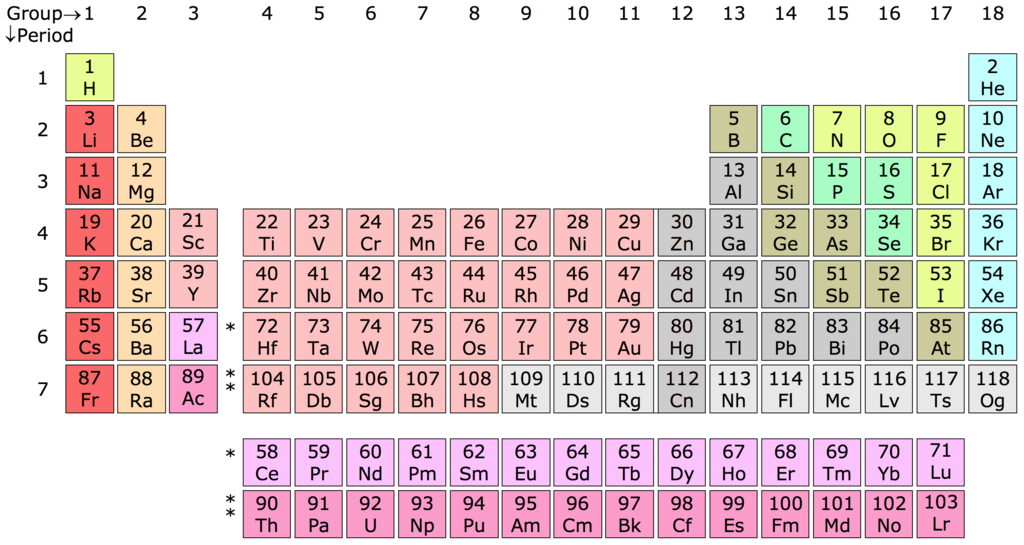
Scientists often divide them into two subgroups: light rare earth elements (LREEs) and heavy rare earth elements (HREEs). This classification is based on their atomic weight. Light REEs, like lanthanum and cerium, are more abundant and less expensive. Heavy REEs, like terbium and dysprosium, are scarcer and more valuable.
Unique Properties
What makes rare earths so special are their unique properties, particularly their magnetism and luminescence. Their atomic structure, specifically the configuration of their outer electron shells, allows them to form incredibly strong and lightweight permanent magnets. These aren't your typical refrigerator magnets; they are powerful components that are essential for miniaturizing technology.
Think of the evolution from bulky desktop computers to slim smartphones. This leap was made possible in part by the powerful, tiny magnets made from REEs like neodymium. These magnets enable small motors to produce significant force, a critical feature for things like the vibration motor in your phone or the hard drive's read/write head.
Luminescence
noun
The emission of light by a substance that has not been heated, as in fluorescence or phosphorescence.
REEs also have unique optical properties. They can absorb ultraviolet light and re-emit it as visible light of a specific, pure color. This quality makes elements like europium, yttrium, and terbium essential for creating the vibrant red and green hues in LED screens, televisions, and energy-efficient lighting.
From Ore to Element
Rare earth elements are not found in pure, concentrated deposits like gold. Instead, they are widely dispersed and mixed with other minerals, making extraction a complex and challenging process. They are typically found in minerals like bastnäsite and monazite.
The main challenge is separation. Because all 17 REEs have very similar chemical properties and occur together in the same ores, isolating one from the others requires a multi-stage process of chemical treatments. This process is intensive, costly, and can have significant environmental impacts if not managed properly.

Global reserves are concentrated in a few countries. China has historically been the dominant producer, but other countries like the United States, Australia, and Brazil also hold significant deposits.
Powering Modern Technology
The applications of REEs are woven into the fabric of modern life. Without them, many of the technologies we rely on daily wouldn't exist in their current form.
In electronics, they are indispensable. Your smartphone, laptop, and camera all contain multiple rare earth elements in their magnets, lenses, and displays. In renewable energy, the powerful magnets made from neodymium and dysprosium are critical for the generators in wind turbines and the motors in electric and hybrid vehicles.
They also play a vital role in defense and aerospace. Jet engines, missile guidance systems, and satellite communications all rely on the unique properties of these elements to function at a high level.
| Element (Symbol) | Key Application |
|---|---|
| Neodymium (Nd) | High-strength permanent magnets for motors and speakers. |
| Lanthanum (La) | Specialty lenses for cameras and telescopes; hybrid car batteries. |
| Cerium (Ce) | Catalytic converters in cars; polishing glass. |
| Europium (Eu) | Creating the red color in LED and plasma screens. |
| Terbium (Tb) | Creating the green color in fluorescent lighting and screens. |
| Yttrium (Y) | Red phosphors for displays; lasers and ceramics. |
From green energy to consumer electronics, these 17 elements have become quiet enablers of technological progress. Now, let's test your understanding of these essential materials.
Why are rare earth elements (REEs) considered "rare"?
Which elements are included in the group known as rare earth elements?