Rapid LLM Learning
Introduction to Large Language Models
What Are Large Language Models?
At its core, a large language model, or LLM, is an AI program trained to understand and generate human language. Think of it like a very advanced version of the autocomplete on your phone. While your phone might suggest the next word in a sentence, an LLM can write entire paragraphs, answer complex questions, translate languages, and even write computer code.
A Large Language Model (LLM) is a type of artificial intelligence program designed to understand, generate, and work with human language.
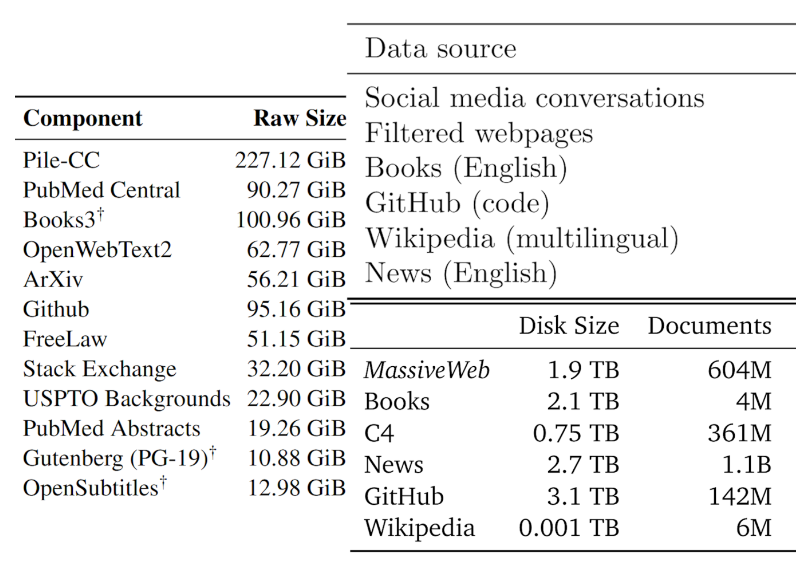
The "large" in the name is important. It refers to two things: the enormous amount of text data they are trained on (think vast portions of the internet, digital books, and more) and the huge number of parameters they use. A parameter is like a knob that the model can tune during training to improve its predictions. The more parameters, the more nuanced and complex the patterns in language it can learn.
The basic job of an LLM is simple: predict the next word in a sequence. By doing this over and over again on a massive scale, it develops a sophisticated understanding of grammar, facts, reasoning abilities, and even styles of writing.
A Brief History
The idea of modeling language isn't new. For decades, computer scientists used simpler statistical methods. One early approach was the n-gram model, which calculated the probability of a word appearing based on the previous 'n' words. For example, it might learn that after "the quick brown," the word "fox" is very likely. These models were useful but limited; they couldn't grasp the context of a long sentence or the subtle meanings of words.
The field took a major leap forward with the rise of neural networks, which are computing systems inspired by the human brain. But the real game-changer came in 2017 with the invention of the Transformer architecture. This new design was exceptionally good at handling long sequences of text and weighing the importance of different words when making predictions. It allowed models to understand context like never before.
This innovation paved the way for the powerful LLMs we see today, which have grown exponentially in size and capability.
Capabilities and Applications
Modern LLMs are remarkably versatile. Their ability to process and generate natural language has unlocked a wide range of applications across many industries.
Here are some of their key capabilities:
- Text Generation: Writing emails, articles, marketing copy, and creative stories.
- Summarization: Condensing long documents, articles, or conversations into key points.
- Question Answering: Acting as sophisticated search engines that provide direct answers instead of just links.
- Translation: Translating text between dozens of languages with increasing accuracy.
- Code Generation: Writing snippets of code in various programming languages based on plain English descriptions.
These abilities are already reshaping how work gets done. In customer service, LLMs power chatbots that can resolve issues 24/7. In healthcare, they help doctors summarize patient notes and research the latest medical findings. Software developers use them to write code faster, and marketers use them to brainstorm advertising campaigns.
As these models continue to improve, they are becoming powerful creative partners and productivity tools, changing how we interact with information and technology.
Let's check your understanding of these foundational concepts.
What does the "large" in "large language model" primarily refer to?
What architectural innovation from 2017 was a major breakthrough for LLMs, significantly improving their ability to handle long sequences of text?
We've covered what LLMs are, how they came to be, and what they can do. This foundational knowledge is the first step toward understanding the broader world of artificial intelligence.