Rapid Literature Reviews for Research
Understanding Literature Reviews
What's a Literature Review?
Before you start any research project, you need to understand what others have already discovered. Think of it like joining a conversation that's been going on for years. A literature review is how you get caught up. It's not just a summary of articles and books; it's a critical look at the existing knowledge on a topic.
The purpose of a literature review is to summarize what knowledge and ideas have been established on a topic, and what their strengths and weaknesses are.
By mapping out the current landscape, you can see where the well-trodden paths are and, more importantly, where there are gaps. These gaps are often where new research questions are born. A good literature review shows that you've done your homework and provides a solid foundation for your own work to build upon.
Different Tools for Different Jobs
Just as a carpenter uses different saws for different cuts, researchers use different types of literature reviews depending on their goal. They all aim to synthesize existing research, but they go about it in distinct ways.
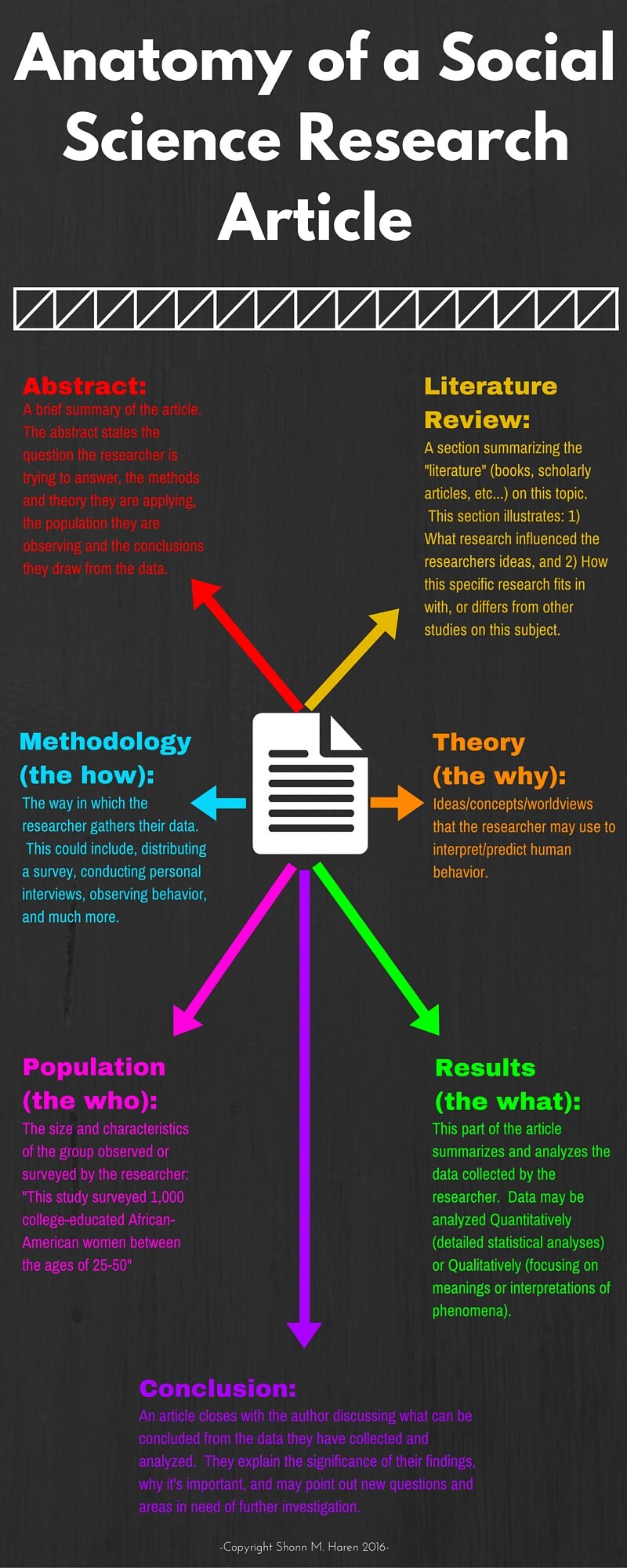
The most common types you'll encounter are narrative, systematic, and scoping reviews. Each serves a unique purpose.
-
Narrative Review: This is a broad overview of a topic. It tells a story about how our understanding has evolved. Narrative reviews are great for getting a general sense of a field, but they don't follow a strict, repeatable process. The author selects sources they believe are most relevant to build their argument.
-
Systematic Review: This is a highly structured and rigorous review that aims to find, evaluate, and synthesize all available evidence on a specific, focused question. It uses a clear, predefined methodology so that someone else could repeat the exact same steps and get the same results. These are very common in fields like medicine, where decisions need to be based on the complete body of evidence.
-
Scoping Review: This type of review answers the question, "What research is out there?" It's broader than a systematic review and is often used to map out the key concepts in a new or complex area of study. The goal is to identify the scope of the available literature, not to answer a specific question about effectiveness.
| Review Type | Main Goal | Scope | Methodology |
|---|---|---|---|
| Narrative | Provide a broad overview or tell a story | Broad | Flexible, selective |
| Systematic | Answer a specific, focused question | Narrow | Strict, repeatable |
| Scoping | Map the existing literature on a topic | Broad | Systematic, but flexible |
The Building Blocks
While the methods may vary, all effective literature reviews share a few core components. These elements ensure the review is clear, comprehensive, and credible.
Think of these as the recipe for a successful review. Without them, the final product won't be very useful.
-
A Clear Research Question: This is the North Star of your review. A well-defined question keeps the entire process focused, from searching for sources to synthesizing the findings. It turns a vague topic into a specific line of inquiry.
-
A Comprehensive Search Strategy: This is your plan for finding relevant literature. It outlines which databases you'll search, what keywords you'll use, and your criteria for including or excluding studies. For systematic and scoping reviews, this strategy must be documented and transparent.
-
Critical Appraisal of Sources: A literature review isn't a simple list of summaries. You must critically evaluate each source. This involves assessing the strengths and weaknesses of the research methods, looking for potential biases, and considering how each study contributes to the overall understanding of the topic.
-
Synthesis of Findings: This is where you pull everything together. Instead of just describing one study after another, you identify the main themes, patterns, debates, and gaps that emerge from the literature as a whole. Synthesis creates a new, coherent picture from the individual pieces of research.
Mastering these components allows you to create a literature review that not only summarizes the state of a field but also pushes the conversation forward.