Rapid Literature Reviews for Research
Understanding Literature Reviews
The Lay of the Land
Before you start any research project, you need to understand the existing conversation. You wouldn't build a house without surveying the land first, right? A literature review serves that same purpose. It's a survey of the books, articles, and studies that have already been published on your topic.
Think of it as bringing yourself up to speed. It’s more than a simple summary of papers. A good literature review analyzes, synthesizes, and critically evaluates existing work to create a clear picture of the current state of knowledge.
The purpose of a literature review is to summarize what knowledge and ideas have been established on a topic, and what their strengths and weaknesses are.
By doing this, you establish context for your own work. You show that you've done your homework and understand the key concepts, major findings, and central debates. Most importantly, a literature review helps you identify a gap in the existing research—an unanswered question or an unexplored area. That gap is where your own research can make a unique contribution.
Different Flavors of Review
Not all literature reviews are the same. They come in several varieties, each with a different goal and method.
Narrative Review
noun
A broad overview of a topic that summarizes and synthesizes literature to tell a story about the state of research. It's often descriptive and doesn't follow a strict protocol for searching.
This is the most common type you'll find, especially in the humanities and social sciences. It's a great way to get a general understanding of a subject.
Systematic Review
noun
A highly structured review that aims to find, evaluate, and synthesize all available research relevant to a very specific research question. It uses a clear and repeatable methodology.
Systematic reviews are the gold standard in fields like medicine and public health. They are so rigorous that they are considered a form of original research. Their goal is to be exhaustive and minimize bias. Researchers often use a flowchart, like the PRISMA model, to document their search and selection process.
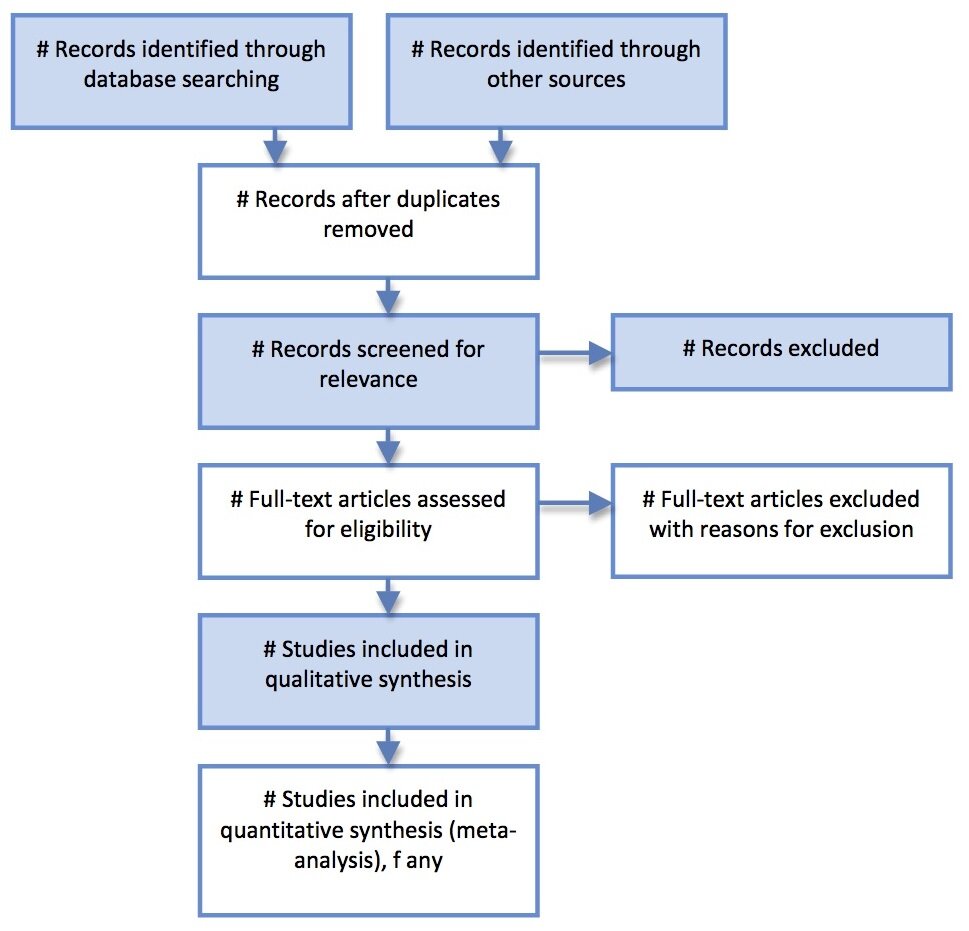
Scoping Review
noun
A review that maps the existing literature on a broad topic to identify key concepts, sources of evidence, and research gaps. It asks 'what research is out there?' rather than answering a specific question about effectiveness.
Think of a scoping review as a preliminary step. It's useful when a topic is new or complex, helping researchers get a feel for the landscape before diving into a more specific systematic review or a new study.
The Basic Structure
Regardless of the type, most literature reviews follow a familiar structure: an introduction, a body, and a conclusion. Each part has a specific job to do.
Introduction: This section sets the stage. It introduces the topic and explains its importance. It also defines the scope of the review—what's included and what's not. Crucially, the introduction should state the review's objective or research question.
Body: This is the core of the review. Instead of just listing summaries of papers one by one, the body should be organized by themes, trends, or key debates. Group related studies together. Discuss their findings, compare their methodologies, and point out where they agree or disagree. The goal is to build an argument, not just a list.
Conclusion: The conclusion ties everything together. It should summarize the main findings from the literature. More importantly, it highlights the major gaps or unresolved problems that your review has identified. This is where you make the case for your own research, showing how it will address one of those gaps and contribute something new to the conversation.
Let's check your understanding of these core ideas.
What is the primary purpose of conducting a literature review before starting a new research project?
A researcher is exploring a brand-new, complex topic with very little established research. They want to get a general sense of the available literature before committing to a larger study. Which type of review is most suitable?
Understanding what a literature review is, why it's done, and how it's structured is the first step toward conducting effective research. It ensures your work is grounded in the existing scholarly conversation.