Ransomware Explained
Introduction to Ransomware
What Is Ransomware?
Ransomware is a type of malicious software, or malware, that blocks access to your own files. Think of it as digital kidnapping. The software secretly encrypts your data, scrambling it into an unreadable format. The only way to get the decryption key to unlock your files is to pay a ransom, usually in cryptocurrency.
Ransomware
noun
Malicious software designed to block access to a computer system or files until a sum of money is paid.
Unlike other cyber threats that might be subtle, ransomware is loud and clear. Once it strikes, it announces its presence with a ransom note that appears on the victim's screen. This note explains what has happened and provides instructions for payment.
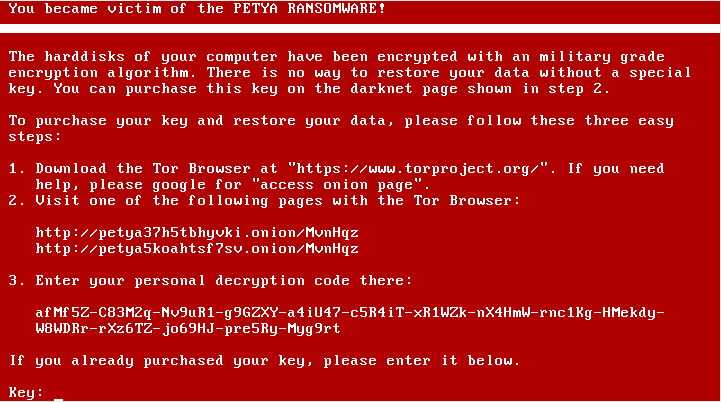
Ransomware attacks have evolved into one of the most destructive cyber threats, causing billions in damages annually through data encryption, system disruption, and extortion schemes.
A Brief History
The concept isn't new. The first known ransomware attack occurred in 1989, long before the internet was a household utility. Known as the AIDS Trojan, it was distributed on floppy disks. After a certain number of reboots, the malware would encrypt file names on the user's computer and demand a payment of $189 be mailed to a P.O. box in Panama.
For decades, ransomware remained a relatively niche threat. The payment method was clumsy, and the encryption was often weak enough to be reversed. The game changed with the rise of cryptocurrencies like Bitcoin. Suddenly, attackers had a way to receive anonymous payments that were nearly impossible to trace, fueling a massive surge in ransomware's popularity and sophistication.
Modern attackers don't just lock your files anymore. Many now practice "double extortion," where they also steal a copy of your sensitive data before encrypting it. If you refuse to pay, they threaten to leak the information publicly.
The Ripple Effect
The impact of a ransomware attack goes far beyond a locked computer. For an individual, it can mean the permanent loss of irreplaceable photos, important documents, and financial strain. For an organization, the consequences are often catastrophic.
The most immediate impact is operational downtime. If a hospital's systems are encrypted, it can't access patient records, forcing it to cancel appointments and divert ambulances. A manufacturing plant might have to halt production lines, and a city government could be unable to provide essential services. This downtime translates directly into massive financial losses.
| Impact Area | On Individuals | On Organizations |
|---|---|---|
| Financial | Ransom payment, cost of data recovery services. | Ransom payment, lost revenue, regulatory fines. |
| Data | Loss of personal files, photos, and documents. | Loss of critical business data, intellectual property, customer info. |
| Operational | Inability to use personal devices. | Complete business shutdown, supply chain disruption. |
| Reputational | Personal stress and violation of privacy. | Loss of customer trust, damage to brand image, negative press. |
Beyond the financial costs, there's severe reputational damage. Customers lose trust in a company that can't protect their data. Business partners may become wary. Restoring that trust can take years and significant investment, if it can be restored at all. Understanding these wide-ranging consequences is the first step in recognizing why defending against ransomware is so critical.
Ready to check your understanding?
What is the primary action ransomware takes on a victim's computer?
What technological innovation was a major catalyst for the recent surge in ransomware's popularity and sophistication?
Ransomware is a significant and growing threat. By understanding what it is, how it evolved, and the damage it can cause, you're better prepared to appreciate the importance of cybersecurity.