Ransomware Explained
Introduction to Ransomware
What is Ransomware?
Ransomware is a type of malicious software that blocks access to your files or computer system until a sum of money is paid. Think of it as a digital kidnapping of your data. Once it infects your device, it systematically encrypts your files, scrambling them into an unreadable format. The only way to get them back, supposedly, is to obtain a special decryption key from the attackers.
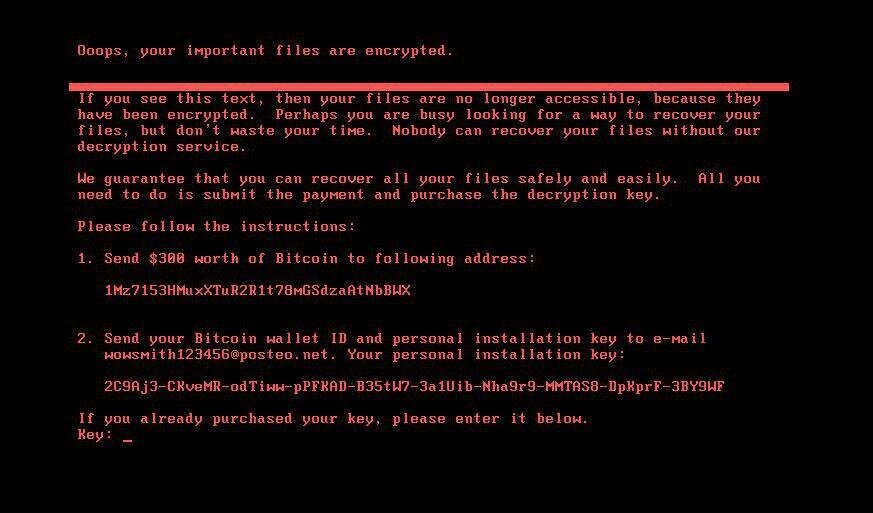
After the encryption is complete, a message appears on the screen demanding a ransom, usually in a cryptocurrency like Bitcoin to make the payment difficult to trace. The attackers promise to send the decryption key once they receive the money. However, there's no guarantee they'll hold up their end of the bargain.
Ransomware is a malicious attack that leaves your data locked or encrypted by anonymous cybercriminals.
A Quick History
Ransomware isn't a new threat. The first known attack, the "AIDS Trojan," occurred back in 1989. It was distributed on floppy disks and, after a certain number of reboots, it would hide directories and encrypt file names, demanding the user mail $189 to a P.O. box in Panama to get their data back. By today's standards, it was simple and easy to defeat.
Modern ransomware is far more sophisticated. The rise of anonymous cryptocurrencies and the internet has allowed attackers to demand and receive payments from anywhere in the world with a much lower risk of being caught. Attacks evolved from simple screen lockers to powerful encryption algorithms that are nearly impossible to break without the key. Today, ransomware is a massive criminal enterprise affecting individuals, hospitals, businesses, and even city governments.
How It Spreads
Ransomware needs a way to get onto a device in the first place. Attackers use several methods, but two of the most common are phishing emails and drive-by downloads.
Phishing emails are fraudulent messages designed to trick you into opening a malicious attachment or clicking a dangerous link. The email might look like it's from a legitimate source, like a bank, a delivery service, or a coworker. The attachment could be disguised as an invoice or an important document, but it's actually the ransomware installer.
Drive-by downloads happen when you visit a compromised website. You don't have to click on anything specific. The malicious code on the site exploits a vulnerability in your browser or its plugins to silently install the ransomware onto your device. Even reputable websites can be hacked to serve up malware to their visitors.

The Impact
The consequences of a ransomware attack can be devastating. For individuals, it can mean the permanent loss of precious files like family photos, personal documents, and creative projects. Paying the ransom is a gamble and can be expensive, with no guarantee of success.
For organizations, the stakes are much higher. An attack can bring business operations to a complete standstill, leading to huge financial losses from downtime and recovery costs. Beyond the ransom itself, companies face reputational damage and potential legal trouble if sensitive customer data is stolen and leaked, a tactic known as "double extortion."
| Impact Area | For an Individual | For an Organization |
|---|---|---|
| Data Loss | Loss of personal photos, videos, and documents. | Loss of critical business data, customer information, intellectual property. |
| Financial | Cost of the ransom, potentially hundreds or thousands of dollars. | Ransom demand, regulatory fines, lost revenue, and recovery expenses. |
| Disruption | Inability to use a personal computer. | Complete shutdown of operations, inability to provide services. |
| Reputation | Minimal, unless personal data is leaked. | Severe damage to brand trust and customer confidence. |
Ready to test your knowledge? This quiz will cover the key concepts we've discussed about ransomware.
What is the primary function of ransomware?
Why do ransomware attackers typically demand payment in cryptocurrency like Bitcoin?
Understanding what ransomware is and how it spreads is the first step in protecting yourself from this pervasive threat. By recognizing the tactics attackers use, you can better spot potential dangers.