Ramzi Hage of Lebanon
Introduction to Lebanese History
Crossroads of Civilizations
Lebanon's story begins on the coast of the Eastern Mediterranean, a strategic location that made it a hub for trade, culture, and conflict for millennia. Its earliest inhabitants to achieve fame were the Phoenicians, a seafaring people who established a powerful trade network across the sea starting around 1500 BCE. From their city-states like Byblos, Sidon, and Tyre, they exported valuable goods, most notably timber from the famed Cedars of Lebanon and a distinctive purple dye.
Perhaps their most enduring legacy was the creation of the first phonetic alphabet, a revolutionary system that became the ancestor of most modern alphabets, including the one you're reading now.
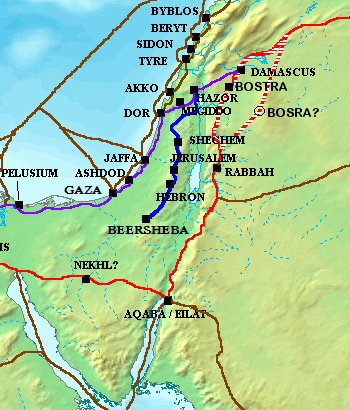
This prime real estate did not go unnoticed. Over the centuries, a succession of empires conquered the region: the Assyrians, Babylonians, Persians, and the Greeks under Alexander the Great. Each left a cultural layer, contributing to the area's rich, cosmopolitan identity.
After the Greeks came the Romans, who integrated the area into their empire and established the city of Berytus—modern-day Beirut—as a renowned center for the study of Roman law. Following the Roman period, the region became a vital center for Christianity. After the Arab conquests in the 7th century, Islam and the Arabic language were introduced, adding another foundational layer to Lebanon's diverse society.
Ottoman Rule and a Budding State
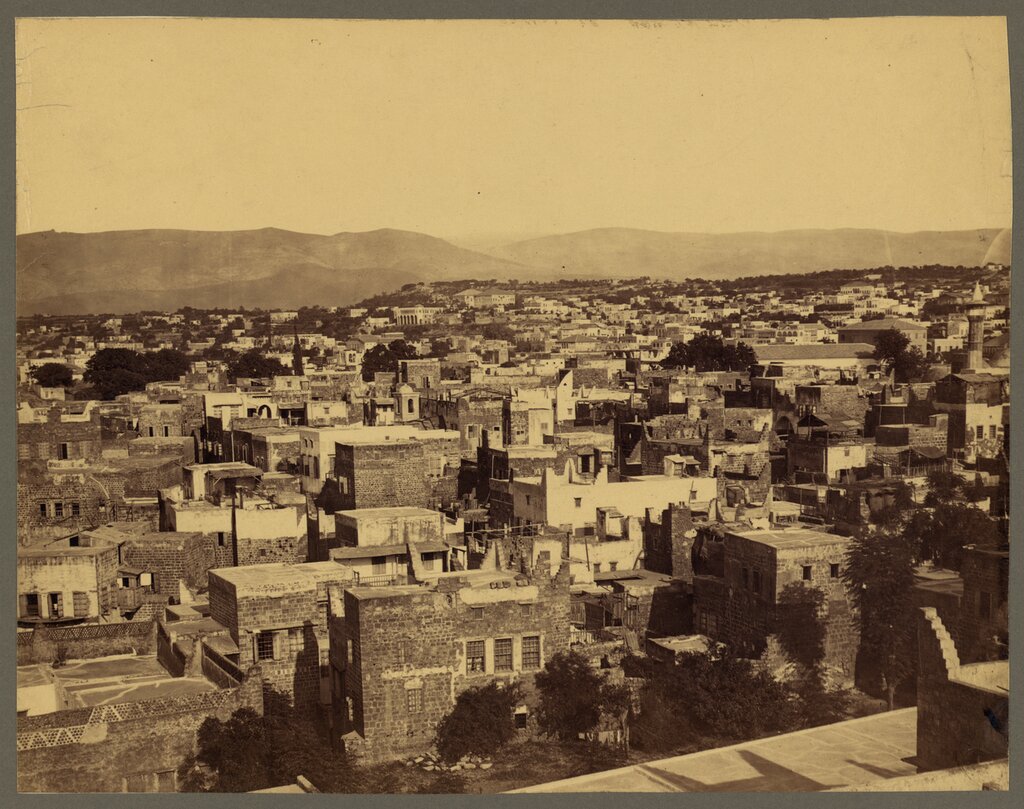
From the 16th century until the end of World War I, Lebanon was part of the vast Ottoman Empire. The Ottomans governed their diverse subjects through the millet system, which allowed different religious communities—Maronite Christians, Druze, Sunni and Shia Muslims—to rule over their own personal matters like marriage and inheritance. This system reinforced sectarian identities, a defining feature of Lebanese politics to this day.
In the 19th century, tensions between Maronites and Druze in the mountainous heartland of Mount Lebanon escalated, culminating in a civil conflict in 1860. European powers intervened, pressuring the Ottoman government to establish the Mount Lebanon Mutasarrifate, a semi-autonomous province governed by a non-Lebanese Christian, protected by a council representing the various religious sects. This arrangement is often seen as a precursor to the modern Lebanese state.
A Republic Forged in War
The Ottoman Empire collapsed after World War I, and its territories in the Middle East were carved up by the victorious European powers. Under the Sykes-Picot Agreement, France was given control over the region that would become modern Syria and Lebanon.
In 1920, the French created the state of Greater Lebanon. They expanded the borders of the traditional Mount Lebanon heartland, annexing coastal cities, the Bekaa Valley, and regions in the north and south. This move brought a large number of Sunni and Shia Muslims into a state that had previously been designed with a Christian majority, setting the stage for future demographic and political challenges.
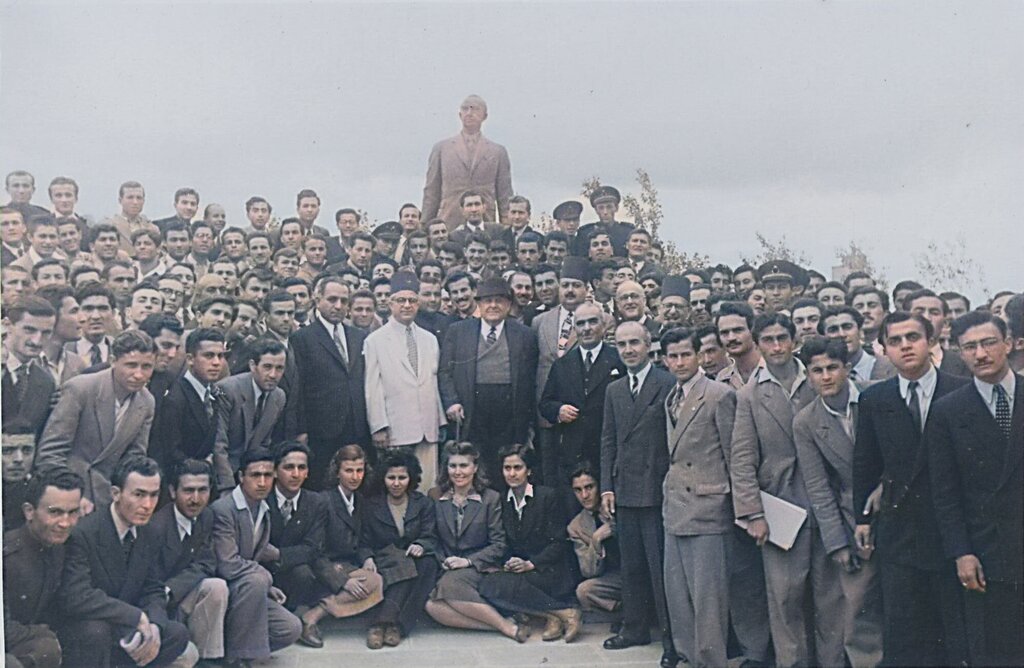
Lebanon gained independence in 1943. Its leaders forged the National Pact, an unwritten agreement that established a confessional system of power-sharing. By tradition, the president would be a Maronite Christian, the prime minister a Sunni Muslim, and the speaker of parliament a Shia Muslim. This delicate formula was designed to ensure representation for all major communities and keep the new country from fracturing.
Conflict and Resilience
For several decades, Lebanon flourished. Beirut became a glamorous financial and cultural hub, earning the nickname "the Paris of the Middle East." But beneath the surface, the old tensions remained.
The power-sharing agreement of the National Pact was based on a 1932 census that cemented Christian political dominance. Over time, higher Muslim birth rates shifted the demographics, but the political structure did not adapt. The arrival of Palestinian refugees after the 1948 and 1967 Arab-Israeli wars further destabilized the country, introducing a new armed faction into the delicate balance.
In 1975, these simmering tensions exploded into a brutal civil war that lasted for 15 years. The conflict was a complex web of sectarian militias, foreign interventions from Syria and Israel, and shifting alliances. The war devastated the country, shattered its economy, and left deep scars on its social fabric.
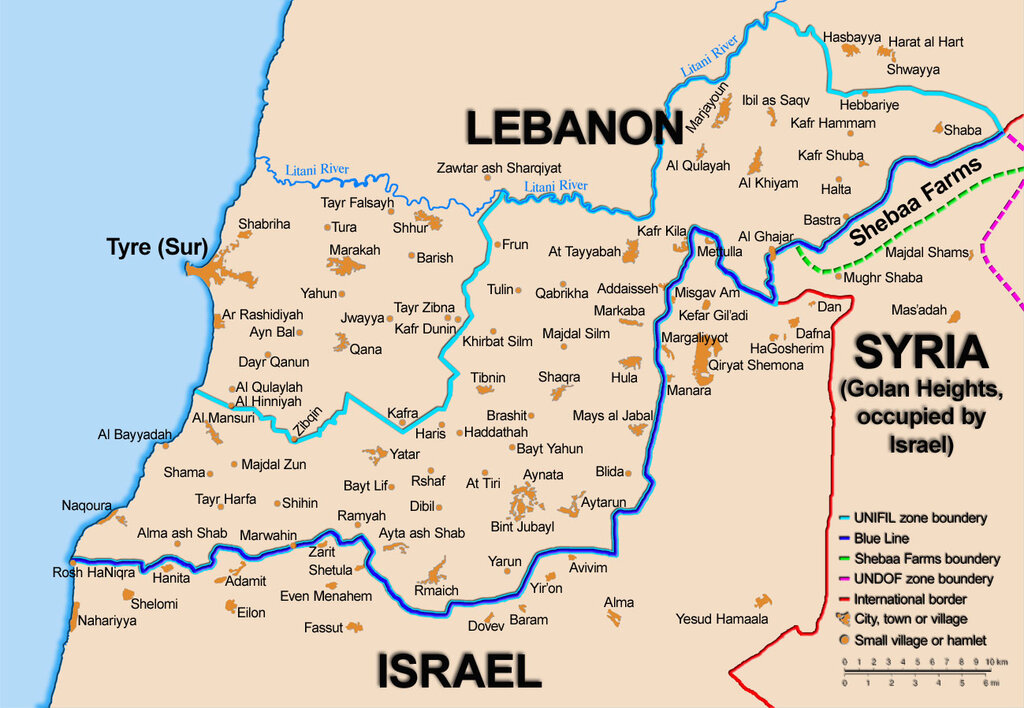
The war officially ended in 1990 with the Taif Agreement, which subtly readjusted the confessional political system to give Muslims a greater share of power. Since then, Lebanon has focused on reconstruction and recovery. The country has navigated Syrian occupation (which ended in 2005), conflicts with Israel, political assassinations, and economic crises.
Despite its turbulent past, Lebanon remains a country of remarkable resilience, defined by its cultural richness and the complex history that has shaped its people.
The ancient Phoenicians, based in city-states like Tyre and Sidon, were renowned for exporting which two valuable goods across the Mediterranean?
Under Roman rule, the city of Berytus (modern-day Beirut) became particularly famous as a center for the study of what?