Ramadan Feeding Program 2026
Introduction to Ramadan
The Holy Month of Ramadan
Ramadan is the ninth month of the Islamic calendar, a time of deep spiritual reflection for Muslims worldwide. Unlike the Gregorian calendar, which is based on the sun, the Islamic calendar follows the phases of the moon. This means Ramadan begins about 11 days earlier each year, cycling through all four seasons over time.
The central practice of this month is a daily fast. From the first light of dawn until the sun sets, observers abstain from all food and drink, including water. This act of fasting is known as Sawm.
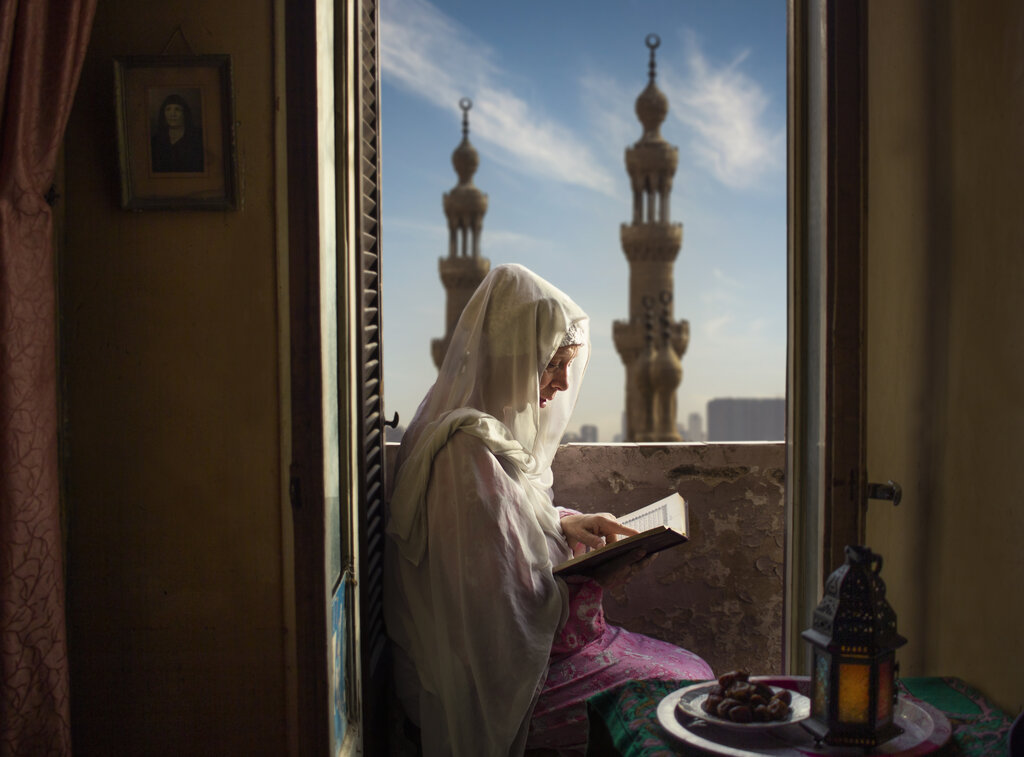
More Than Just Hunger
Fasting during Ramadan isn't just about going without food. It's an exercise in self-discipline and a powerful reminder of the struggles faced by those less fortunate. By experiencing hunger and thirst, Muslims are encouraged to cultivate empathy, patience, and gratitude.
The goal is to purify the soul and draw closer to God. The physical act of fasting helps to quiet the noise of daily life, allowing for a deeper focus on prayer, reading the Quran, and performing charitable acts.
Fasting is seen as a way to develop self-discipline, empathy for the less fortunate, and gratitude for Allah’s blessings.
A Pillar of Islam
Sawm is one of the Five Pillars of Islam. These pillars are the core principles and practices that form the foundation of a Muslim's faith and life. They provide a framework for worship and a blueprint for living an ethical life.
| Pillar | Arabic Name | Meaning |
|---|---|---|
| Declaration of Faith | Shahada | Testifying that there is no god but God (Allah), and Muhammad is His messenger. |
| Prayer | Salat | Performing five daily prayers facing the city of Mecca. |
| Charity | Zakat | Donating a portion of one's wealth to those in need. |
| Fasting | Sawm | Abstaining from food and drink during the month of Ramadan. |
| Pilgrimage | Hajj | Making a journey to Mecca at least once in a lifetime, if able. |
Each pillar represents a fundamental duty. Together, they unite Muslims in a shared expression of faith and community. The fast of Ramadan is a powerful, month-long commitment to the pillar of Sawm.
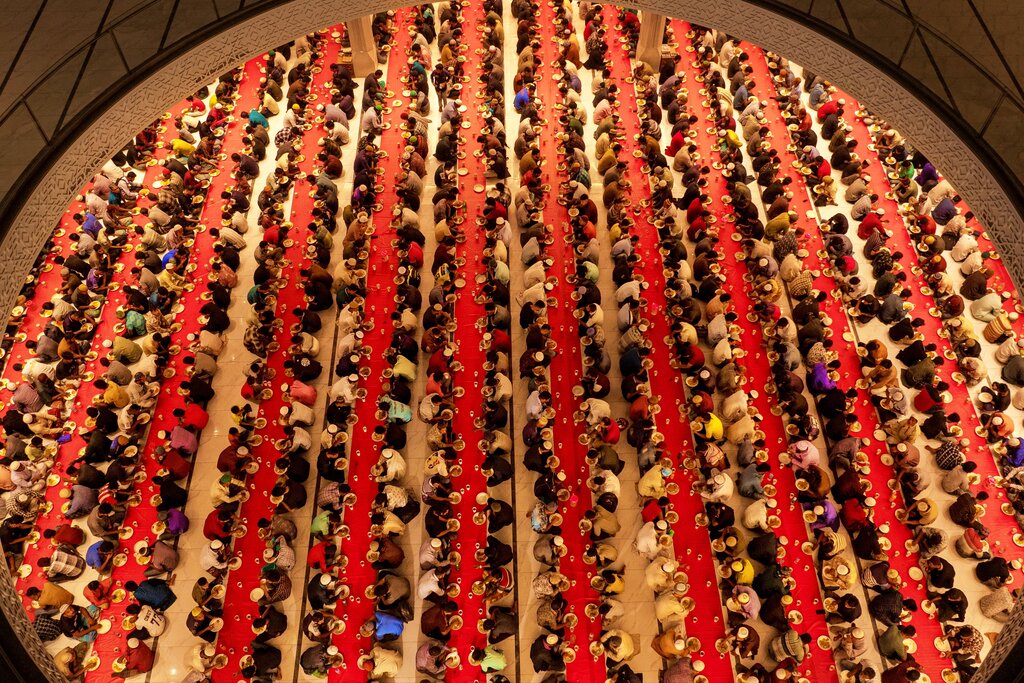
The pre-dawn meal before the fast begins is called Suhur, and the evening meal to break the fast is known as Iftar. Often, Iftar is a communal affair, shared with family and friends.
Ready to check your understanding?
What is the central practice of Ramadan?
Why does the start date of Ramadan change each year relative to the solar Gregorian calendar?
By observing the fast, Muslims participate in a tradition that strengthens their faith, community, and personal character.