Raising Young Children
Infant Development
An Incredible Year of Firsts
The first year of a baby's life is a whirlwind of growth. From a tiny, helpless newborn to a babbling, crawling individual, the changes are rapid and remarkable. Understanding these developmental milestones helps you provide the right support as your infant explores their new world.
Physical Milestones
Physical development unfolds from head to toe. It starts with a baby gaining control over their head and neck muscles within the first couple of months. Soon, they’re pushing up on their arms during tummy time, a crucial step for building strength.
Around 4 to 6 months, many babies master rolling over, first from tummy to back, and then back to tummy. This newfound mobility is quickly followed by sitting up without support. By 9 months, most infants are on the move, whether by crawling, scooting, or pulling themselves up to stand. Some may even take their first wobbly steps around their first birthday.
Fine motor skills also emerge. A newborn’s grasp is just a reflex, but by 3 or 4 months, they can bat at toys. Around 6 months, they can pass objects from one hand to the other. This leads to the pincer grasp—using the thumb and forefinger to pick up small things—which usually appears around 9 to 12 months.
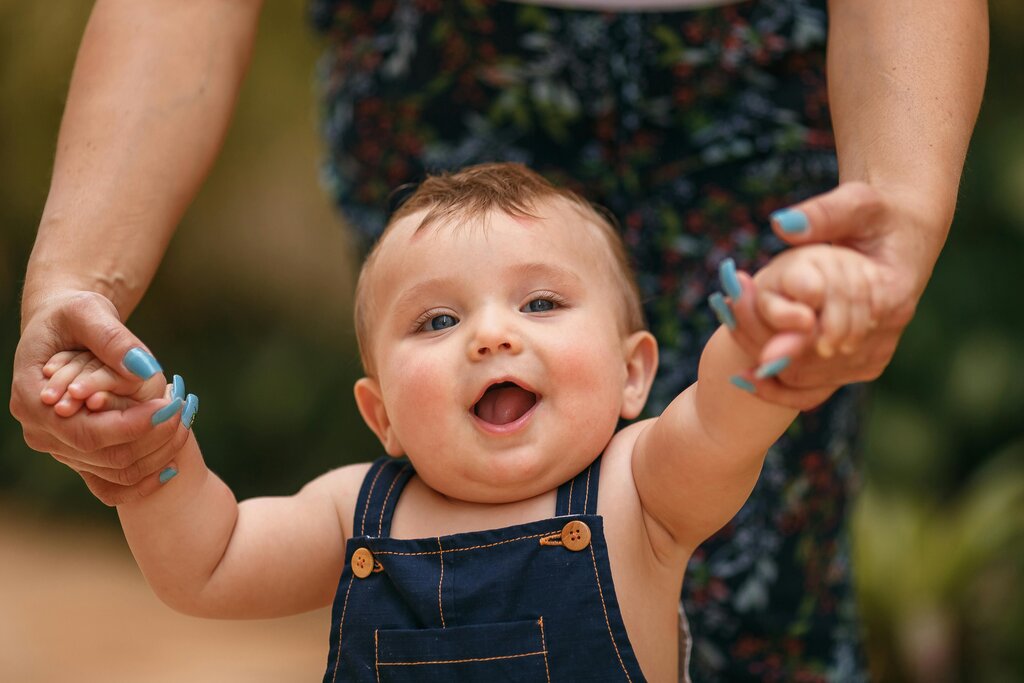
Sensory development is just as important. A newborn's vision is blurry, but it sharpens quickly. By 2 months, they can track moving objects, and by 5 months, they have good color vision and depth perception. Their hearing is well-developed at birth, and they soon learn to recognize familiar voices, turning their heads toward the sound. Touch is a primary way infants learn about their environment and bond with caregivers.
One of the best ways parents can ensure that their child/children achieve key physical developmental milestones is to create an environment that encourages children safety to explore the world.
Cognitive Growth
A baby's brain is working hard to make sense of everything. One of the biggest cognitive leaps in the first year is understanding object permanence. It's the realization that things still exist even when they can't be seen.
Object Permanence
noun
The understanding that objects and events continue to exist even when they cannot directly be seen, heard, or touched.
This is why peek-a-boo is so fascinating for older infants. When you hide your face, they know you're still there and delight in your reappearance. Before they grasp this concept, out of sight truly is out of mind.
Memory also develops steadily. A young infant might recognize their primary caregiver’s face within a few weeks. By 4 months, they can recognize familiar objects. This growing memory helps them learn routines, like associating a bath with bedtime, which gives them a sense of predictability and security.
Building Bonds
Emotional development in the first year is all about attachment and trust. Attachment is the deep emotional bond that forms between an infant and their caregiver. A secure attachment gives a child the confidence to explore the world, knowing they have a safe base to return to.
This bond is built through countless small interactions every day. Trust develops when a caregiver responds consistently and lovingly to the baby's needs. When a baby cries and is comforted, is hungry and is fed, or is scared and is held, they learn that the world is a safe place and that their caregiver is reliable. This foundational trust is crucial for their future emotional and social well-being.
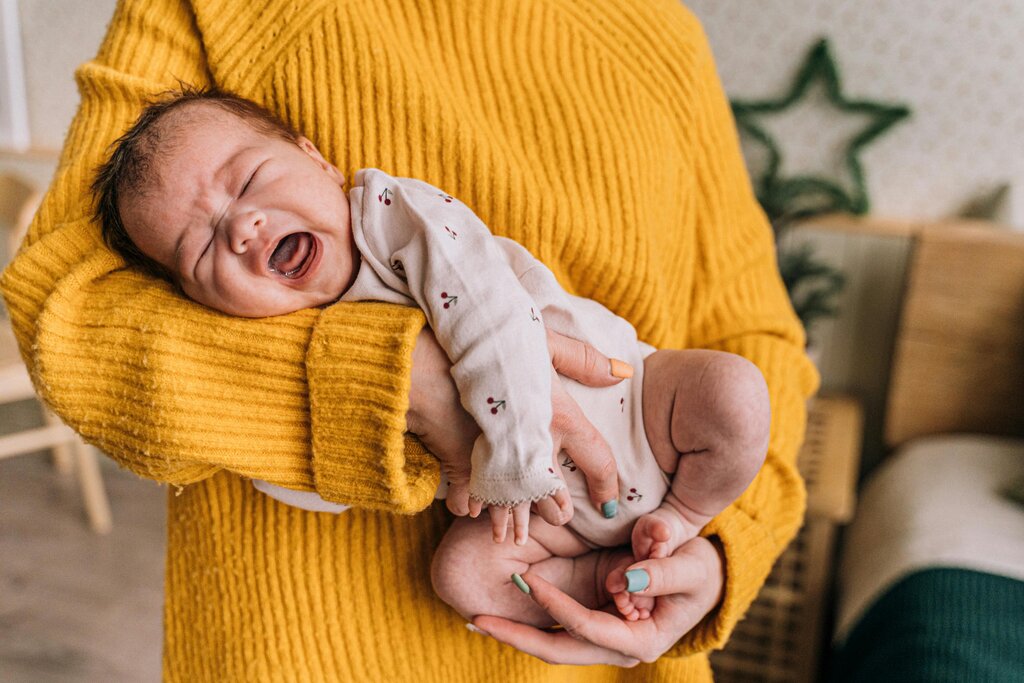
Responsive care—tuning in and responding to an infant's cues—is the cornerstone of a secure attachment.
Finding Their Voice
Language acquisition starts long before the first word. Infants are listening from day one, absorbing the sounds and rhythms of the language around them. Their own communication begins with cries, but soon evolves.
Around 2 to 3 months, babies start cooing, making happy vowel sounds. This progresses to babbling around 6 months, where they experiment with combining consonants and vowels. You'll hear strings of sounds like "ba-ba-ba" or "da-da-da." While it might sound like they're saying "dada," at this stage it's usually just playful repetition.
By the end of the first year, their babbling starts to mimic the intonation and rhythm of actual speech. They also begin to understand simple words and commands. This all culminates in those magical first words, which typically appear around their first birthday.
In summary, the best way to foster speech-language development with your child in their first year of life is to: TALK, PLAY, READ, and SING!
Now, let's test what you've learned about this incredible first year.
An infant who has just learned to pass a toy from one hand to the other is most likely in which age range?
The concept of object permanence explains why older infants are fascinated by which common game?
Every baby develops at their own pace, but these milestones provide a general guide to the amazing journey of the first year. By providing a safe, responsive, and stimulating environment, you give them the best possible start in life.