Raising Well-Behaved Children
Understanding Positive Parenting
What Is Positive Parenting?
Positive parenting is an approach centered on building a strong, respectful relationship with your child. Instead of focusing on punishment to correct behavior, it prioritizes teaching and guidance. The goal is to raise children who are not just well-behaved, but also emotionally intelligent, confident, and resilient.
Think of it as playing the long game. While punitive methods might stop a behavior in the moment, they often do so through fear. Positive parenting aims deeper, helping children understand the why behind rules and develop their own internal compass for making good choices. It’s about connection before correction.
Instead of using fear or shame to shape behavior, it guides children with empathy, consistency, and clear expectations.
This approach rests on a few key principles: mutual respect, identifying the needs behind a child's behavior, effective communication, and focusing on solutions rather than blame. It's not about being a perfect parent, but about being a mindful one.
The Payoff
Adopting a positive parenting mindset yields significant benefits for both children and parents. One of the most immediate results is a stronger, more trusting parent-child bond. When children feel seen, heard, and respected, they are more likely to cooperate and communicate openly.
Children raised in this environment tend to develop better emotional regulation skills. They learn to manage feelings like frustration and anger in healthy ways because their emotions are acknowledged, not dismissed. This fosters greater self-esteem and resilience, equipping them to handle life's challenges.
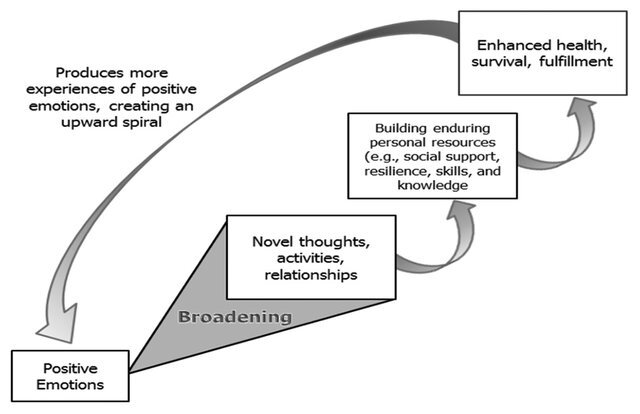
For parents, this approach can lead to a more peaceful and less stressful home. By shifting from a reactive, power-struggle dynamic to a proactive, teaching one, you spend less time managing misbehavior and more time enjoying your relationship with your child.
How It's Different
To understand positive parenting, it helps to see how it compares to other common styles. Parenting is often broken down into a few general categories, each with a different approach to rules, communication, and emotional connection.
| Style | Approach to Rules | Communication Style | Main Drawback |
|---|---|---|---|
| Authoritarian | Rigid and strict; "Because I said so." | One-way; parent talks, child listens. | Can lead to low self-esteem and rebellion. |
| Permissive | Very few rules or boundaries. | Lenient; parent acts more like a friend. | Children may struggle with self-control. |
| Positive (Authoritative) | Clear rules, but with flexibility and explanation. | Two-way; listens and validates feelings. | Requires more patience and consistency. |
Positive parenting is often called "authoritative." It combines the high expectations of the authoritarian style with the warmth and respect of the permissive style. It finds the balance between being firm and being kind.
It’s a common misconception that positive parenting means no discipline. In reality, it involves setting clear, firm boundaries, but doing so in a respectful way that preserves the child’s dignity.
This approach recognizes that there are no "bad kids," only kids who are having a hard time or lack the skills to meet expectations. The parent's role is to teach those skills, not just to punish the behavior.
Now, let's check your understanding of these core ideas.
What is the primary long-term goal of positive parenting?
The phrase "connection before correction" means a parent should first focus on...
Positive parenting is a journey, not a destination. It's about making conscious choices to guide your child with empathy and respect, building a foundation of trust that will last a lifetime.