Raising Curious Smart Ambitious Kids
Understanding Child Development
The Blueprint of Growth
Children grow and change at their own pace, but their development follows a surprisingly predictable path. Think of it less like a race with a finish line and more like building a house, where each new skill rests on the foundation of the last. This progression happens across a few key areas: how they think (cognitive), how they feel (emotional), and how they interact with others (social).
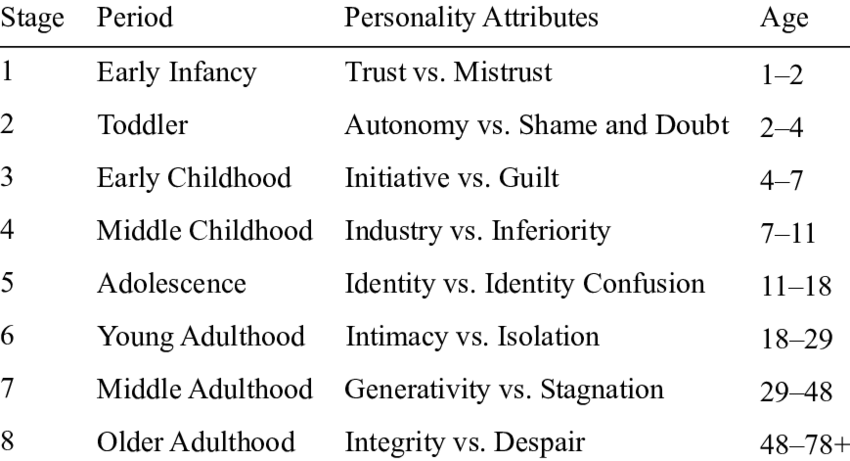
Developmental milestones are the major steps along this path. During infancy, from birth to about one year, babies learn about the world through their senses. They are figuring out if the world is a safe, predictable place. As toddlers (ages one to three), they experience a burst of independence. They master walking, start talking in sentences, and test boundaries to understand cause and effect.
From three to five, preschoolers become social explorers. Their imaginations run wild, leading to complex pretend play. This is also the age of endless 'why' questions, as they work to build a mental map of how everything works. Once they enter school (ages six to twelve), their thinking becomes more logical and organized. Friendships become central, and they learn to navigate the complex social rules of peer groups.
Learning Through Play
For a child, play is not just a way to pass the time; it’s serious business. It is the primary way they learn about themselves, others, and the world around them. Through play, children experiment with ideas, practice new skills, and make sense of their experiences in a safe environment.
Cognitive Development
noun
The growth of a child's ability to think and reason. It includes the development of knowledge, skills, problem solving, and dispositions, which help children to think about and understand the world around them.
When a toddler stacks blocks until the tower falls, they're running a physics experiment. When a group of preschoolers pretends to be a family of lions, they are practicing negotiation, empathy, and storytelling. Even rough-and-tumble play teaches vital skills like self-control and reading social cues. Play is the engine of learning, turning abstract concepts into tangible understanding.
Play allows children to use their creativity while developing their imagination, dexterity, and physical, cognitive, and emotional strength.
Early Experiences Matter
The brain develops most rapidly in the first few years of life. The experiences a child has during this time—the interactions, the environment, the sense of safety and love—sculpt the architecture of their developing mind. These early patterns have a lasting impact on their attitude toward learning.
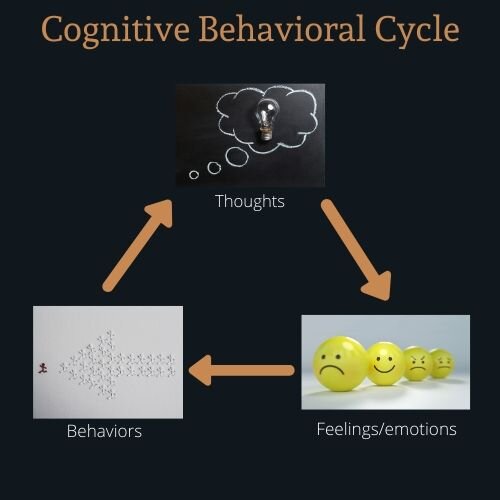
A child who grows up in a responsive environment, where their curiosity is met with encouragement and their mistakes are treated as learning opportunities, is likely to see the world as a fascinating place to be explored. They learn that trying new things is exciting, not scary. This builds a foundation of confidence and a 'growth mindset,' the belief that abilities can be developed through dedication and hard work.
Conversely, negative or neglectful early experiences can teach a child that the world is threatening or that trying is pointless. This can create a lasting aversion to challenges and learning. The supportive relationships and stimulating environments of early childhood are what build the strong foundation for a lifetime of discovery.
Let's test your understanding of these developmental cornerstones.