Raising an Only Child: A Guide for Working Parents
Understanding Only Child Dynamics
The Only Child Experience
An only child grows up in a world without siblings. This unique position shapes their personality and how they see the world. Without brothers or sisters to compete with, they often form a very strong bond with their parents and may seem more mature than their peers.
From a young age, only children get used to entertaining themselves. This fosters a strong sense of independence and creativity. They learn to be resourceful and are often comfortable with solitude, developing rich inner lives. Because their primary role models are adults, they might pick up more advanced vocabularies and reasoning skills earlier on.
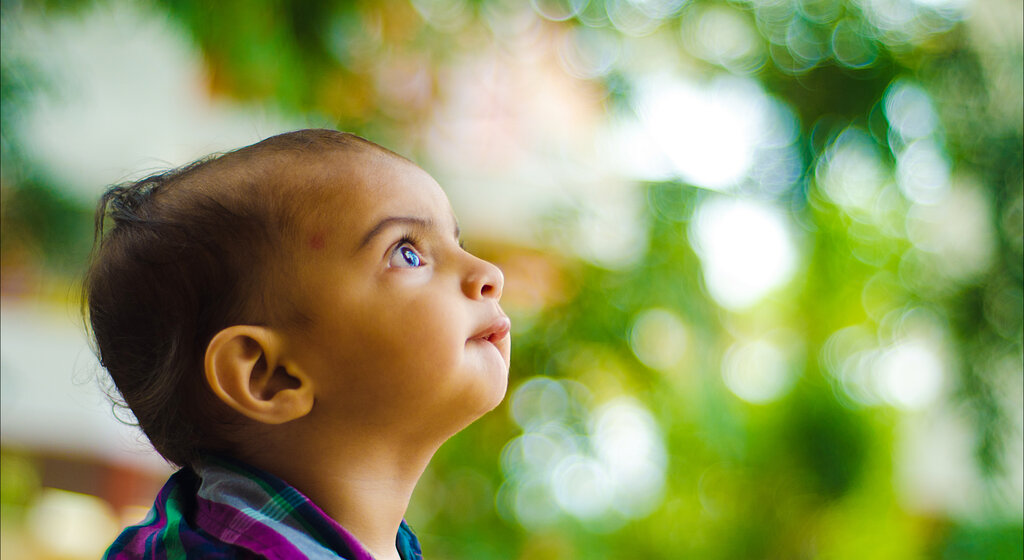
This environment can also create a high-achiever. As the sole focus of their parents' expectations and resources, only children might feel a significant pressure to succeed. They often become conscientious, responsible, and ambitious, driven by a desire to make their parents proud.
Navigating the Social World
Social development looks a bit different for only children. Without built-in playmates at home, they learn crucial social skills like sharing, conflict resolution, and cooperation in other settings. School, playdates, and extracurricular activities become their primary training grounds for peer interaction.
Initially, some only children may find it easier to relate to adults than to other kids. They are accustomed to adult conversations and logic. However, this doesn't mean they lack social skills. It just means they learn them in a different context. Once they find their footing in peer groups, they form deep and meaningful friendships, often valuing quality over quantity.
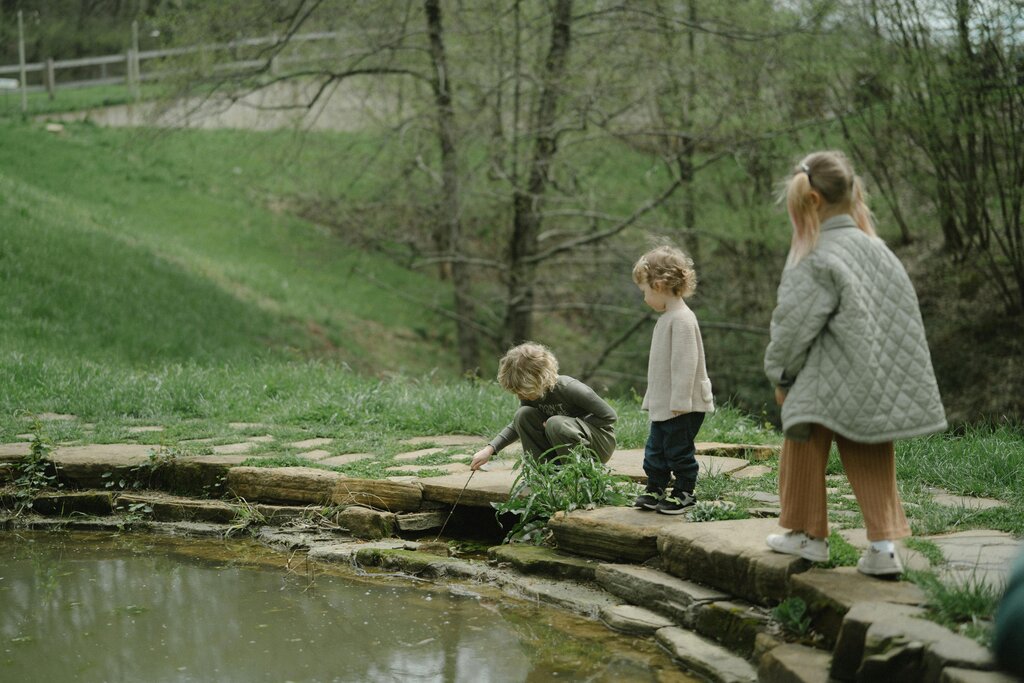
They learn to read social cues and navigate group dynamics through trial and error, just like any other child. Their experiences on the playground or in a sports team teach them how to be part of a group, lead, follow, and collaborate.
Busting Common Myths
For over a century, stereotypes have painted only children as spoiled, bossy, and lonely. These ideas stem from outdated theories and don't hold up to modern research. Let's look at the most common myths and compare them with reality.
| Myth | Reality |
|---|---|
| Lonely | Only children are often comfortable with being alone but aren't necessarily lonely. They tend to build strong, close friendships. |
| Spoiled | While they receive all of their parents' resources, they aren't inherently more spoiled. Many grow up to be generous and responsible. |
| Bossy | Because they're used to having their way at home, they might show leadership qualities. This isn't the same as being bossy. |
| Selfish | Without having to share with siblings, some might need more practice. However, studies show they are no more selfish than children with siblings. |
Ultimately, personality is shaped by a wide range of factors, including parenting style, temperament, and life experiences. Sibling status is just one small piece of a much larger puzzle.
According to the text, where do only children primarily learn social skills like sharing and conflict resolution?
Which factor is most directly linked to an only child's tendency to be resourceful and comfortable with solitude?
Being an only child offers a unique developmental path, with its own set of strengths and learning opportunities.