Raising a Reader A 12 Year Plan
Infant Reading Foundations
Why Read to a Baby?
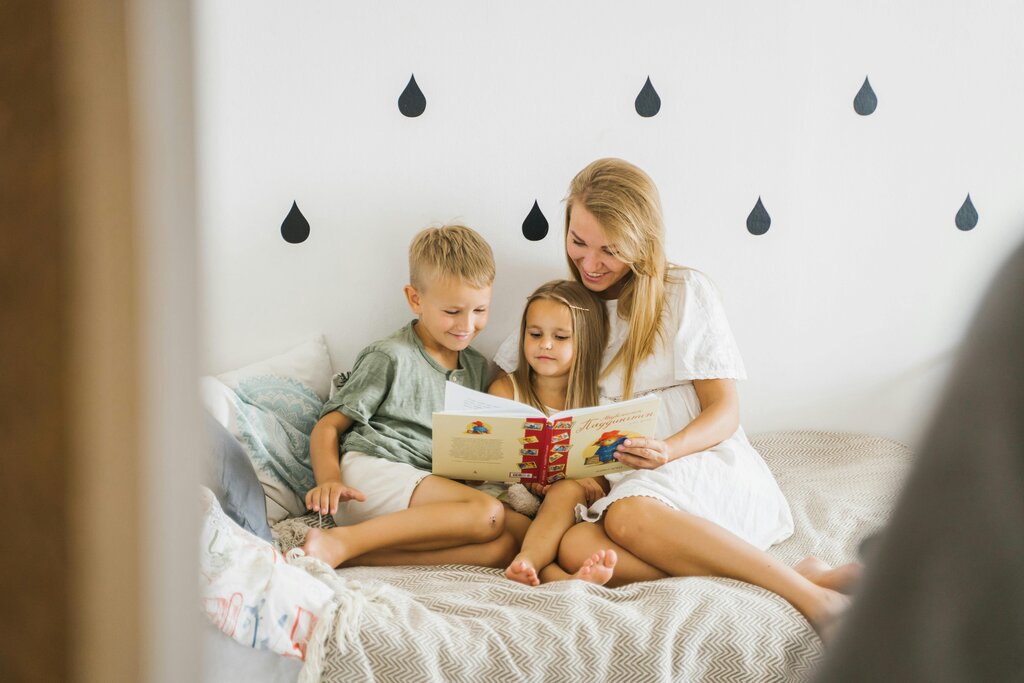
It might seem strange to read to someone who can't talk, let alone understand words like “dragon” or “castle.” But reading to an infant isn't about the plot. It’s about connection, sound, and creating a foundation for a lifetime of learning.
When you read to your baby, they hear the rhythm of your voice and the variety of your tones. This early exposure to language helps build a network of connections in their growing brain. It lays the groundwork for listening skills, introduces new vocabulary (even if they don't know it yet), and teaches them about the world around them.
More importantly, cuddling up with a book creates a warm, positive association with reading. It’s a special time for bonding, making your baby feel safe, loved, and secure.
Choosing the Right Books
A baby's first library will look very different from a toddler's. In the first few months, your baby's vision is still developing. They see best in high contrast, so simple black-and-white board books are perfect. As they get older, they'll appreciate bright colors and simple illustrations of familiar objects, like animals or toys.
The best books for infants are built to last. Look for sturdy board books, soft fabric books, or even waterproof vinyl books for bathtime. These can withstand grabbing, pulling, and a fair amount of chewing, which is how babies explore the world.
Choose books with different textures, mirrors, or flaps. These interactive elements engage a baby's sense of touch and curiosity.
How to Make It Fun
Engaging your infant during story time is all about being playful and animated. You don't need to just read the words on the page. Use different voices for different characters. Make the animal sounds. Point to the pictures and name what you see. “Look at the big, red ball!”
Let your baby guide the session. If they want to stare at one page for a few minutes, that's fine. If they’d rather mouth the corner of the book than listen, that’s part of the process too. The goal is a positive experience, not finishing the story.
Songs and nursery rhymes are another fantastic way to build language skills. Their rhythm and repetition are captivating for babies. You can sing them anytime, but tying them to a book with related pictures makes the experience even richer.
In summary, the best way to foster speech-language development with your child in their first year of life is to: TALK, PLAY, READ, and SING!
Create a Reading Habit
Consistency is key. Try to make reading a part of your daily routine, just like a bath or a lullaby. Reading a short book before naps or bedtime can be a calming ritual that signals it's time to wind down.
Create a cozy spot for reading, like a comfortable chair or a soft rug with pillows. Keep a small basket of books in the main rooms where you spend time with your baby, like the living room or their play area. Having books easily accessible makes it simple to grab one for a spontaneous story time.
Remember, you are your child's first and most important teacher. By sharing books with them from the very beginning, you give them a powerful gift that will support them for years to come.
Let's review what we've learned about getting your baby started with reading.
What is the main purpose of reading to an infant who doesn't yet understand words?
Which type of book is best suited for a newborn's developing vision?