Railway Rollstock Manufacturing Lifecycle
Introduction to Rolling Stock
What is Rolling Stock?
The term "rolling stock" sounds a bit old-fashioned, but it’s the standard name for everything that moves on a railway. If it has wheels and runs on a track, it’s rolling stock. This includes the engines that pull the trains, the cars that carry people, the wagons that haul freight, and even the specialized vehicles that maintain the tracks.
Rolling Stock
noun
In the rail transport industry, rolling stock refers to any vehicle that moves on a railway. It includes both powered and unpowered vehicles, such as locomotives, railroad cars, coaches, and wagons.
Think of a railway system as a body. The tracks are the skeleton, the signals are the nervous system, and the rolling stock is the circulatory system, moving vital people and goods where they need to go. Without rolling stock, a railway is just a quiet stretch of metal.
The Movers and Shakers
At the front of most trains, you'll find the most powerful piece of rolling stock: the locomotive. A locomotive is essentially a power plant on wheels. Its only job is to provide the tractive force, or pulling power, needed to move the rest of the train.
Locomotives come in several varieties, distinguished by how they generate power. Early locomotives were steam-powered, burning coal or wood to create steam that drove pistons. Today, most are diesel-electric, using a diesel engine to run a generator that powers electric motors connected to the wheels. In many urban and high-speed networks, electric locomotives are common, drawing power directly from overhead lines or a third rail.
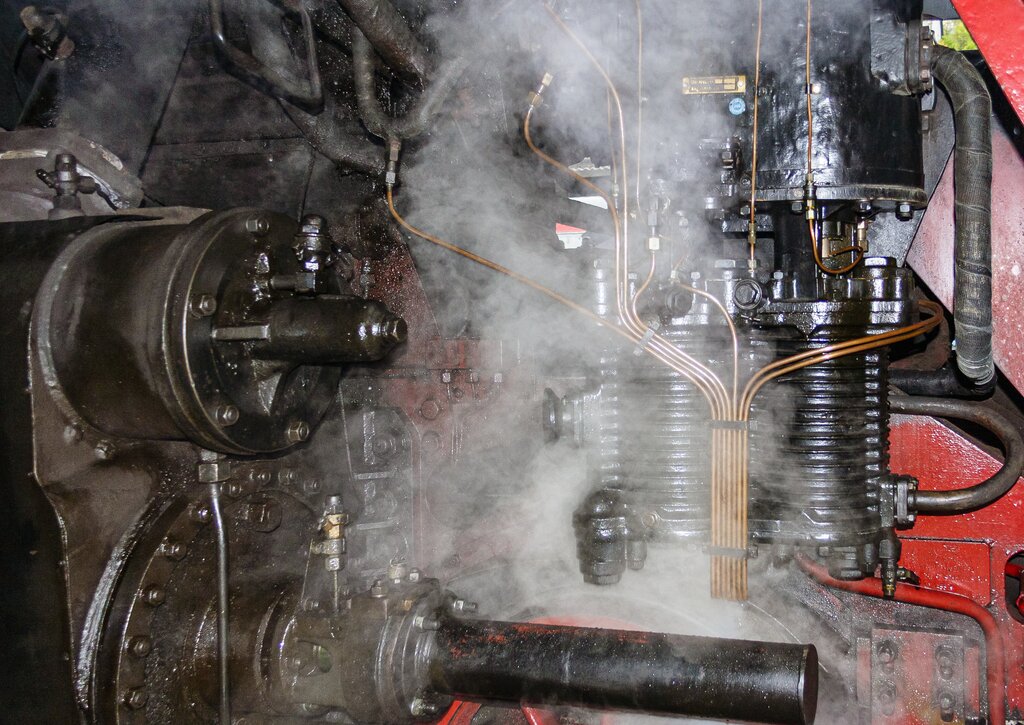
Some trains don't have a separate locomotive at all. A 'multiple unit' train consists of several self-propelled carriages, each with its own motors. This setup is common for passenger trains, especially subways and commuter rail, as it allows for faster acceleration and braking.
Carrying People and Goods
Behind the locomotive come the unpowered vehicles, which are broadly split into two categories: those for people and those for stuff.
Passenger coaches, or cars, are designed for human comfort and safety. They can be simple commuter cars with bench seating or luxurious long-distance coaches with sleeping compartments, dining areas, and observation domes.
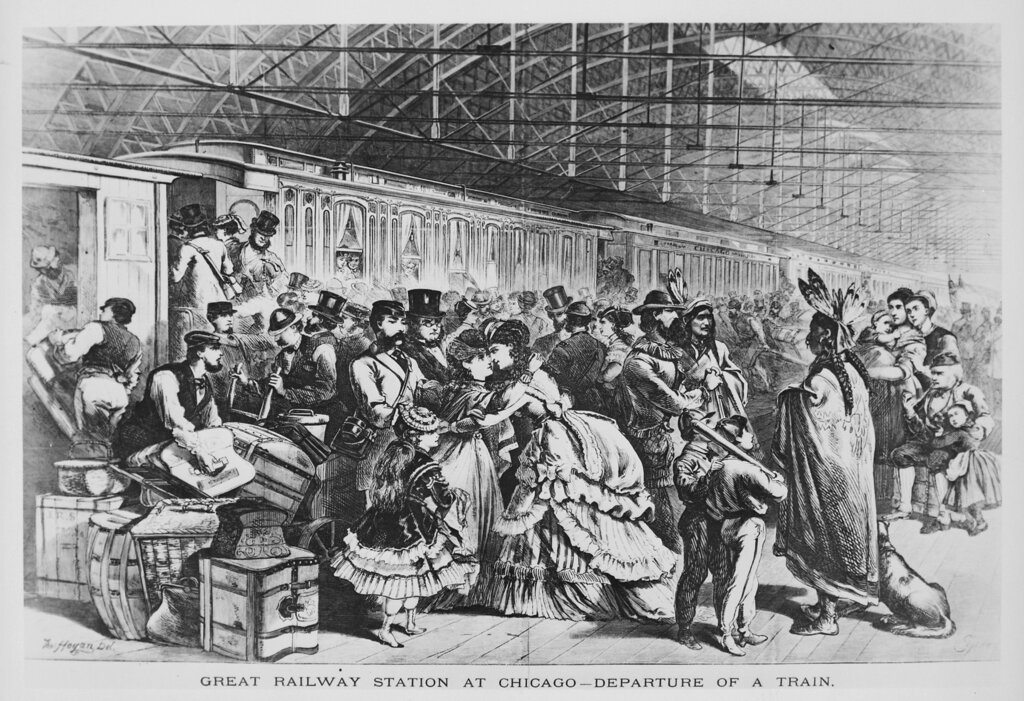
Freight wagons, or freight cars, are built for utility. Their design depends entirely on the cargo they need to carry. A simple flatcar provides a deck for large items like machinery or pipes, while a boxcar offers an enclosed space for general goods. Specialized wagons are engineered for specific materials, from liquids to bulk cargo.
| Wagon Type | Primary Cargo |
|---|---|
| Tank Car | Liquids (oil, chemicals, milk) |
| Hopper Car | Bulk commodities (coal, grain, gravel) |
| Gondola | Loose bulk materials (scrap metal, logs) |
| Flatcar | Large, heavy items (vehicles, containers) |
| Boxcar | General, palletized goods |
| Reefer | Refrigerated goods (produce, meat) |
Finally, there's a whole category of specialized rolling stock dedicated to keeping the railway running. These are the maintenance-of-way vehicles, which include everything from ballast tampers that align the tracks to rail grinders that smooth the rail surface. They are the unsung heroes of the railway world.
Why It All Matters
Understanding rolling stock is the first step to understanding the entire railway industry. The type, condition, and availability of a railway's rolling stock determine what it can move, how efficiently it can operate, and how well it can serve its customers.
A well-managed fleet of rolling stock is crucial for economic activity. It allows raw materials to reach factories, finished products to reach markets, and people to travel for work and leisure. Each locomotive, coach, and wagon is a vital component in the complex machine of modern logistics and transportation.
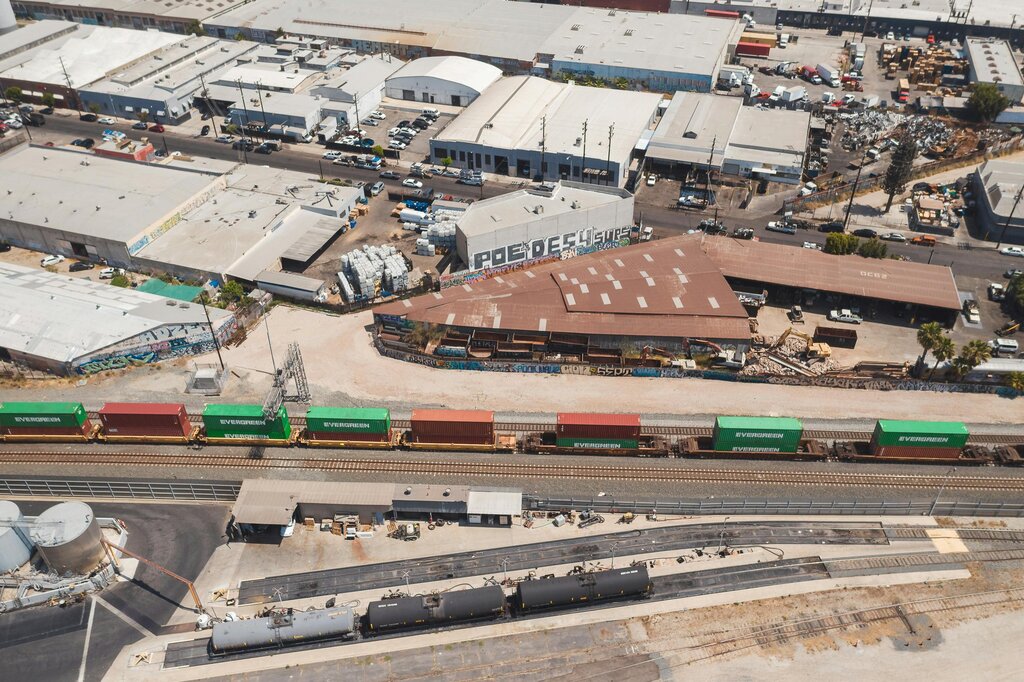
From the powerful locomotive at the front to the last wagon at the back, every piece of rolling stock has a specific function. Together, they form a system capable of moving immense weight over incredible distances with remarkable efficiency.
Ready to check your understanding?
Which of the following best defines the term "rolling stock" in a railway context?
What is the primary function of the diesel engine in a modern diesel-electric locomotive?
The diversity of rolling stock reflects the many jobs a railway is asked to do. It's a perfect blend of specialized engineering designed to meet the demands of a world on the move.