RAG Fundamentals
Introduction to Language Models
What Are Language Models?
At its core, a language model is an AI trained to understand and generate human text. Think of it like a very advanced version of the autocomplete on your phone. While autocomplete suggests the next word, a large language model (LLM) can predict entire sentences, paragraphs, or even long articles.
Its main job is to process a sequence of words—a prompt—and figure out what should come next. It does this by calculating the probability of each word following the previous ones. This allows it to do more than just predict text; it can also translate languages, answer questions, summarize documents, and write computer code.

How Do They Learn?
Language models learn by analyzing enormous amounts of text data from the internet, books, and other sources. This process is called training. During training, the model, which is a type of complex neural network, is shown billions of examples of human writing. A neural network is a system inspired by the human brain that learns to recognize patterns.
The model's task is simple but massive: given a piece of text, it repeatedly tries to guess the next word. If it guesses wrong, it adjusts its internal parameters to improve its prediction for the next time. Over trillions of such guesses, it builds a sophisticated statistical understanding of how words, grammar, and concepts relate to each other. It's not learning what words mean in a human sense, but rather how they are used together.
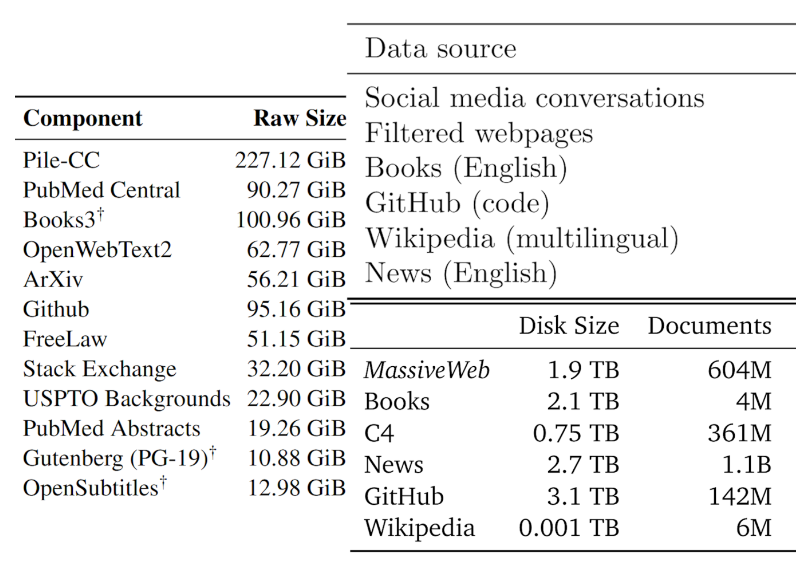
A model doesn't truly 'know' facts. It 'knows' that certain words are very likely to follow other words in specific contexts, based on the data it was trained on.
Abilities and Limitations
The abilities of modern language models are impressive. They can draft emails, write poetry, explain complex topics, and even generate computer code. They power everything from customer service chatbots to language translation apps. However, they have significant limitations that are crucial to understand.
One major issue is that their knowledge is frozen in time. A model only knows about the information present in its training data up to the point the data was collected. It has no awareness of events that happened after its training was completed.
Another problem is the risk of “hallucination.” This is when the model generates text that sounds plausible but is factually incorrect or nonsensical. Because it's designed to create convincing sequences of words, it can sometimes invent facts, sources, or details with complete confidence.
For example, if you ask a model trained in 2022 about the winner of the 2024 World Series, it can't give you a factual answer. It might apologize for its lack of knowledge or, worse, make something up.
Finally, language models typically can't access private or proprietary information. A general-purpose model won't know the contents of your company’s internal documents or your personal medical records. Its knowledge is vast but generic.
Bridging the Gaps
To overcome these limitations, developers use augmentation techniques. Instead of relying solely on the model's pre-trained knowledge, they connect it to external, up-to-date, or specialized information sources.
One of the most popular and powerful techniques is called Retrieval-Augmented Generation, or RAG. The basic idea is to give the language model an open-book exam instead of a closed-book one. Before generating a response, a RAG system first retrieves relevant information from a specific knowledge base—like a company’s technical manuals, a legal database, or today’s news articles.
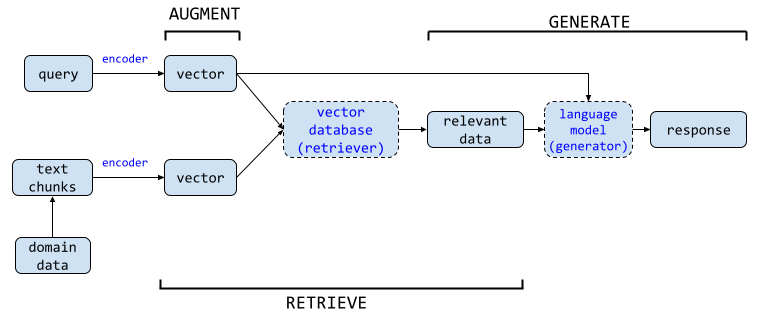
This retrieved information is then added to the user’s original prompt. The language model uses this fresh, relevant context to generate a more accurate, timely, and reliable answer. This approach helps ground the model's response in facts, reducing hallucinations and making it useful for specialized, real-world applications.