RAG for Large Language Models
Introduction to Large Language Models
What Are Large Language Models?
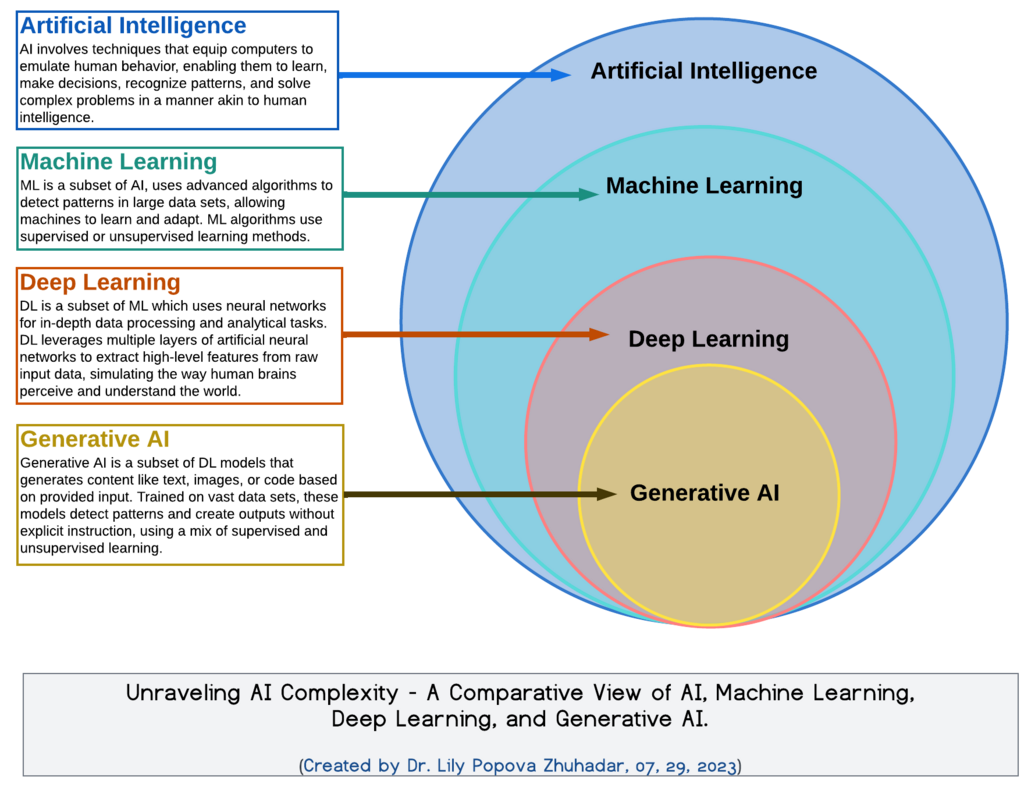
Large Language Models, or LLMs, are advanced AI systems designed to understand and generate text. Think of an LLM as someone who has read nearly every book, article, and website on the internet. They haven't understood it like a human does, but they've become an expert at recognizing patterns in how words and sentences fit together.
At their core, LLMs are prediction engines. Given a piece of text, their main job is to predict the next most likely word.
By doing this over and over, they can write essays, answer questions, translate languages, and even generate computer code. They don't reason or have beliefs; they assemble text based on the statistical patterns they learned from a massive amount of training data. This ability to mimic human language makes them incredibly powerful tools for a wide range of tasks.
The Transformer Architecture
The engine that drives most modern LLMs is a design called the Transformer architecture. Before the Transformer, AI models read text sequentially, word by word, like someone reading a sentence from left to right. This created a bottleneck. By the time the model reached the end of a long paragraph, it might have forgotten the important details from the beginning.
The Transformer changed everything with a mechanism called attention. Instead of processing words one by one, the attention mechanism allows the model to look at all the words in a sentence at once and decide which ones are most important for understanding the context of any given word.
For example, in the sentence "The robot eats the apple because it is delicious," the word "it" refers to the "apple." An attention mechanism can directly link "it" back to "apple," no matter how far apart they are. This ability to weigh the importance of different words allows Transformers to handle long, complex sentences and capture subtle nuances in meaning.
How LLMs Are Trained
Training an LLM is a two-stage process: pre-training and fine-tuning.
1. Pre-training: This is where the model develops its general understanding of language. It's fed a massive dataset of text from the internet and books. The model is given a simple task: predict the next word in a sentence or fill in missing words. For example, it might see the phrase "The cat sat on the ___" and learn to predict "mat." By doing this billions of times, it builds a complex statistical model of how language works. This stage is unsupervised, meaning humans don't label the data. It's also computationally expensive, requiring enormous amounts of processing power.
2. Fine-tuning: After pre-training, the general model is adapted for specific tasks. This involves training it on a smaller, curated dataset. For instance, to create a customer service chatbot, a pre-trained model would be fine-tuned on thousands of real customer service conversations. This stage is often supervised, with humans providing examples of good answers. Fine-tuning shapes the model's behavior, making it more helpful, accurate, and safe for its intended application.
| Application | Description |
|---|---|
| Content Creation | Writing articles, emails, marketing copy, and social media posts. |
| Summarization | Condensing long documents or articles into brief summaries. |
| Chatbots | Powering conversational agents for customer support or information retrieval. |
| Code Generation | Writing computer code in various programming languages based on plain English prompts. |
| Translation | Translating text between different languages with improved nuance and context. |
These are just a few examples. As LLMs become more capable, they are being integrated into nearly every industry, from healthcare and finance to education and entertainment.
What is the primary way a Large Language Model (LLM) learns to understand and generate text?
What is the key mechanism in the Transformer architecture that allows it to weigh the importance of different words in a sentence simultaneously?
This foundational knowledge of what LLMs are, how they're built, and how they learn is the first step. With this understanding, we can explore more advanced ways to enhance their capabilities.