Radiography in Crohn's Disease
Introduction to Crohn's Disease
What is Crohn's Disease?
Crohn's disease is a chronic condition that causes inflammation in the digestive tract. It's a type of inflammatory bowel disease (IBD) and can affect any part of the gastrointestinal (GI) tract, from the mouth to the anus. However, it most commonly occurs at the end of the small intestine (the ileum) and the beginning of the colon.
Inflammatory Bowel Disease
noun
A broad term that describes conditions with chronic inflammation of the digestive tract. Crohn's disease and ulcerative colitis are the most common types.
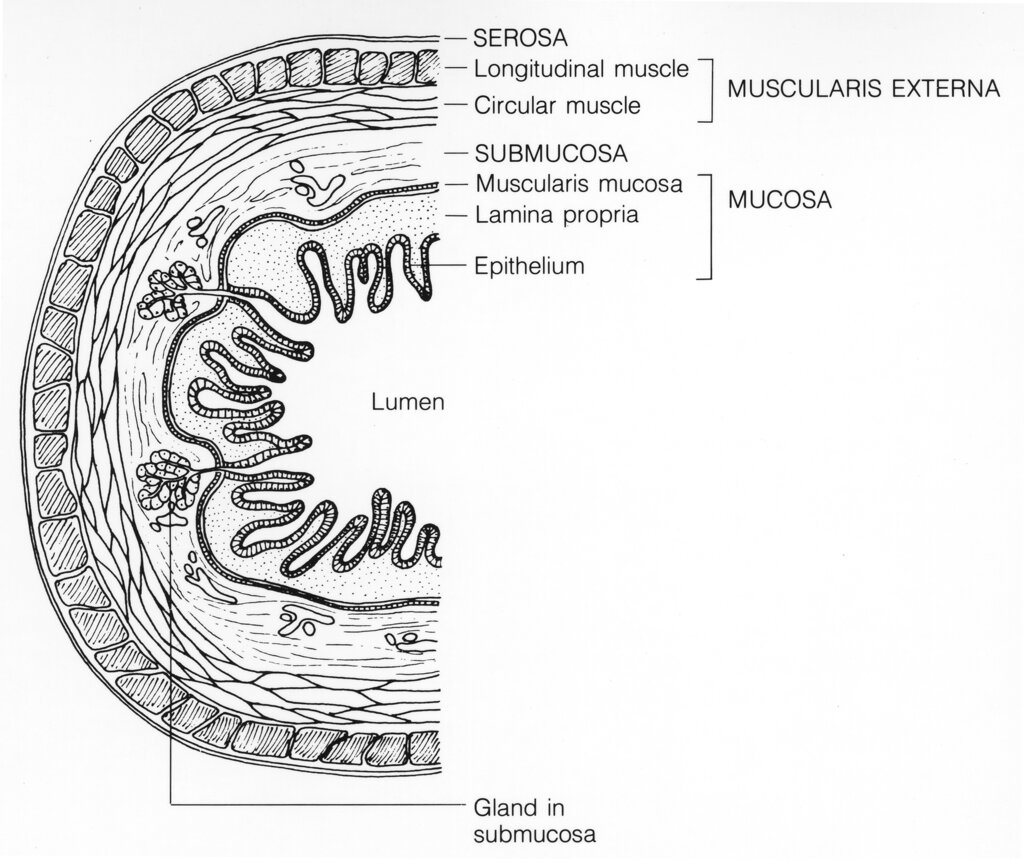
Unlike other inflammatory bowel conditions that affect continuous sections of the gut, the inflammation in Crohn's disease is often patchy. This means you can have areas of inflammation right next to stretches of healthy, unaffected tissue. The inflammation can also penetrate deep into the layers of the bowel wall, which can lead to complications.
Doctors classify Crohn's disease based on which part of the GI tract is inflamed. Knowing the location helps determine the best course of treatment.
| Type | Location of Inflammation |
|---|---|
| Ileocolitis | The end of the small intestine (ileum) and the large intestine (colon) |
| Ileitis | Only the ileum |
| Gastroduodenal Crohn's | Stomach and the first part of the small intestine (duodenum) |
| Jejunoileitis | Patchy areas in the upper half of the small intestine (jejunum) |
| Crohn's (Granulomatous) Colitis | Only the colon |
Causes and Risk Factors
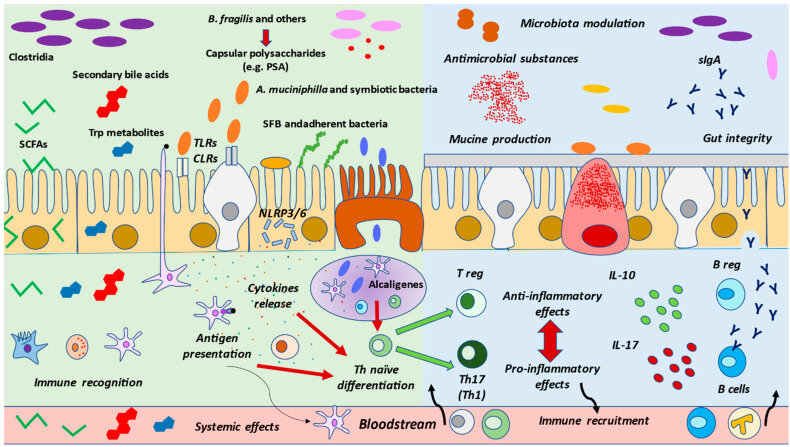
The exact cause of Crohn's disease isn't known. Researchers believe it's the result of a faulty immune system response. Normally, the immune system attacks foreign invaders like viruses and harmful bacteria. In people with Crohn's, the immune system mistakenly attacks harmless bacteria, food, and other substances in the intestine, triggering chronic inflammation.
Several factors seem to increase the risk of developing the disease:
- Genetics: Crohn's often runs in families. If you have a close relative with the disease, your risk is higher.
- Age: While it can occur at any age, Crohn's is most often diagnosed in adolescents and adults between 15 and 35.
- Smoking: Cigarette smoking is a major, controllable risk factor. Smokers are about twice as likely to develop Crohn's disease as nonsmokers.
- Environment: It is more common in developed countries, urban areas, and northern climates, suggesting that diet and other environmental factors may play a role.
Symptoms and Complications
Symptoms of Crohn's disease vary widely from person to person and depend on the location and severity of the inflammation. They can range from mild to severe and may develop gradually or come on suddenly. During periods of active inflammation, called flare-ups, symptoms are worse. These can be followed by periods of remission where symptoms subside.
Common symptoms include persistent diarrhea, abdominal cramping and pain, a feeling of fullness, fever, weight loss, and fatigue.
Because Crohn's disease can cause inflammation deep within the intestinal wall, it can lead to serious complications over time.
Potential complications include:
- Bowel obstruction: Inflammation can cause the intestinal wall to thicken and narrow, blocking the flow of digestive contents.
- Fistulas: Inflammation can create abnormal tunnels through the bowel wall, connecting it to other parts of the intestine, the skin, or other organs like the bladder.
- Abscesses: These are pus-filled pockets of infection that can form in the abdomen or pelvis.
- Anal fissures: Small tears in the lining of the anus, which can cause pain and bleeding.
- Malnutrition: Diarrhea, pain, and cramping can make it hard to eat or for the intestine to absorb enough nutrients.
Crohn's isn't just limited to the digestive tract. It can also cause problems in other parts of the body. These are known as extraintestinal manifestations.
| System Affected | Potential Manifestations |
|---|---|
| Joints | Arthritis, joint pain, and swelling |
| Skin | Rashes, sores, and painful bumps under the skin |
| Eyes | Inflammation, causing pain, redness, and blurred vision |
| Liver & Bile Ducts | Inflammation, gallstones, and other conditions |
| Bones | Osteoporosis due to poor nutrient absorption and steroid use |
Now let's review what we've covered.
Which statement best describes the pattern of inflammation characteristic of Crohn's disease?
According to current understanding, what is the primary cause of the chronic inflammation in Crohn's disease?
Managing Crohn's disease involves controlling the inflammation that triggers its signs and symptoms, which ultimately improves long-term prognosis and quality of life.