Radiography for Cholecystitis
Introduction to Cholecystitis
What Is Cholecystitis?
Cholecystitis is inflammation of the gallbladder, a small, pear-shaped organ tucked beneath your liver. Its main job is to store and concentrate bile, a digestive fluid produced by the liver. When you eat, especially fatty foods, the gallbladder releases this bile into the small intestine to help break down fats.
There are two main forms of this condition. Acute cholecystitis is a sudden, often severe, inflammatory attack. Chronic cholecystitis, on the other hand, involves repeated, less intense episodes of inflammation that can damage the gallbladder over time.
Pathways to Inflammation
The most common cause of cholecystitis is gallstones. These are hardened deposits of digestive fluid that can form in the gallbladder. Trouble starts when a gallstone moves and blocks the cystic duct, the tube through which bile exits the gallbladder.
When the duct is blocked, bile can't get out. It builds up, increasing pressure inside the gallbladder. This pressure irritates the gallbladder wall, causing it to become inflamed and swollen. This condition of trapped bile is called bile stasis. In some cases, the trapped bile can also become infected by bacteria, worsening the inflammation.
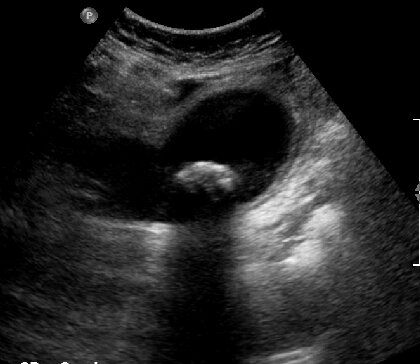
While gallstones are the culprit in over 90% of cases, cholecystitis can occasionally occur without them. This is known as acalculous cholecystitis and is usually a complication of a serious illness, major surgery, or severe injury that affects blood flow to the gallbladder.
Signs and Symptoms
The primary symptom of acute cholecystitis is a sudden, sharp pain in the upper right part of your abdomen. This pain is often constant and severe, and it may spread to your right shoulder or back. It can be triggered by eating a large or fatty meal, but it doesn't go away after a few hours like a typical gallbladder attack (biliary colic) does.
The hallmark symptom is steady, severe pain in the upper right abdomen that can last for hours or even days.
Other common signs include:
- Tenderness over your abdomen when it's touched
- Nausea or vomiting
- Fever and chills
If the blockage also affects the main bile duct leading from the liver, you might develop jaundice, a condition that causes your skin and the whites of your eyes to turn yellow. Chronic cholecystitis may present with milder, recurring episodes of abdominal pain and bloating.
What is the primary function of the gallbladder?
What is the most common direct cause of the inflammation seen in acute cholecystitis?