Radio Workshops in Confinement
Understanding Prison Radio
A Voice From the Inside
Prison radio is exactly what it sounds like: a radio station that broadcasts to people in prison. But it's far more than just entertainment. It's a powerful tool for education, rehabilitation, and maintaining a sense of community in a place designed for isolation. These stations are often run by prisoners, for prisoners, giving them a voice and a sense of purpose.
The core idea is to reduce reoffending by addressing the root causes of crime. Broadcasts can cover a huge range of topics, from mental health support and addiction counseling to practical advice on finding housing and a job after release. It connects inmates to vital services and helps them develop skills, build confidence, and prepare for a life beyond the prison walls.
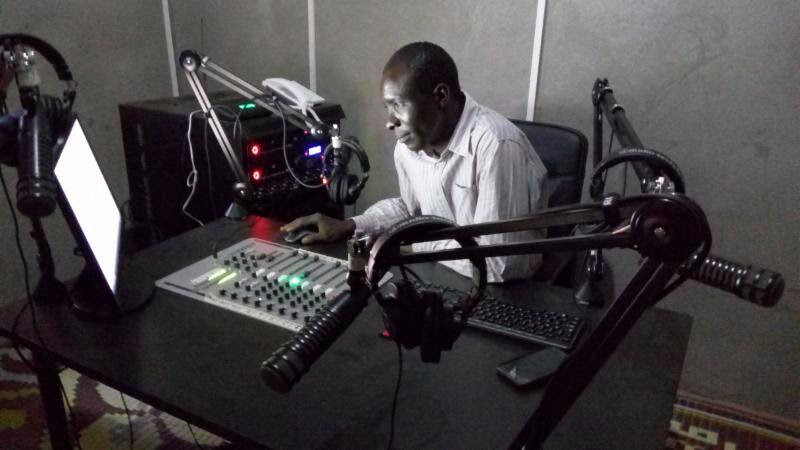
From Pirate Radio to Official Broadcast
The concept of broadcasting within prisons isn't brand new. Early forms were often informal, sometimes even unsanctioned. Inmates might create makeshift systems to share music or news. However, the idea of a structured, officially supported prison radio service as a tool for rehabilitation gained serious momentum in the late 20th and early 21st centuries.
One of the most influential models is the UK's National Prison Radio (NPR). Launched in 2007, it's the world's first national radio station for prisoners. NPR is run by the Prison Radio Association (PRA), a charity dedicated to using radio to change lives.
The PRA's mission is simple: to reduce reoffending. They believe that by giving prisoners a voice and practical support, they can help them build a more positive future.
National Prison Radio broadcasts 24/7, providing a mix of music, stories, and practical advice. The content is created by a small team of professional producers working alongside men and women in prison. This collaborative approach is key. It ensures the programs are relevant, authentic, and speak directly to the experiences of the listeners.
The Impact of Tuning In
The effect of a service like NPR is profound. For listeners, it's a lifeline. It breaks the monotony of prison life and provides a sense of connection to the outside world. Hearing from experts on topics like managing debt or dealing with family issues can provide concrete help. Stories from former prisoners who have successfully rebuilt their lives offer hope and a tangible path forward.
For the prisoners involved in making the radio programs, the benefits are even greater. They learn valuable, transferable skills in audio production, communication, and teamwork. The responsibility of creating content for their peers builds self-esteem and a sense of purpose. Research has shown that prisoners who engage with NPR are more likely to participate in other forms of education and have a better understanding of how to succeed upon release.
| Challenge | Success Story |
|---|---|
| Gaining trust from both prisoners and authorities. | By consistently producing high-quality, helpful content, prison radio has become a respected part of prison life. |
| Limited funding and resources. | Partnerships with charities like the PRA and government support have enabled long-term broadcasting. |
| Ensuring content is appropriate and safe. | A collaborative process between professional producers and inmates ensures all content is vetted and constructive. |
| Measuring the direct impact on reoffending rates. | Studies and anecdotal evidence strongly link engagement with improved behavior and better post-release outcomes. |
Despite challenges like funding and security logistics, the model has proven incredibly successful. It demonstrates that rehabilitation is about more than just punishment; it's about providing opportunities for growth and change. By giving prisoners a platform to learn, share, and connect, prison radio helps them prepare for a better future.
What is the primary goal of prison radio as described in the text?
According to the text, the UK's National Prison Radio (NPR) is run by which organization?