Race Identity in Latin America
Colonial Racial Hierarchies
A Society of Castes
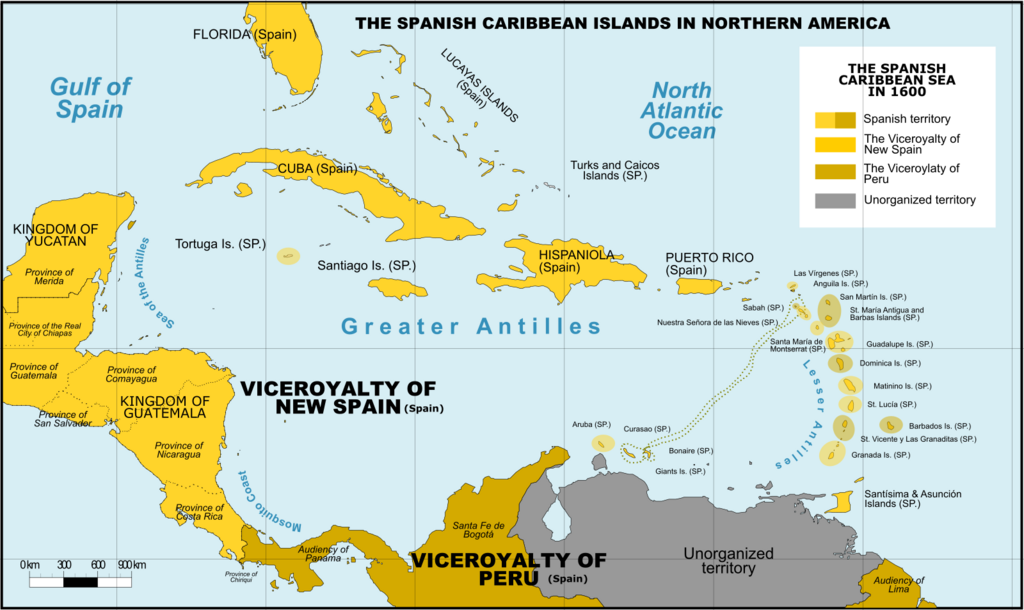
When Spanish and Portuguese colonizers arrived in the Americas, they sought to impose a rigid social order on the diverse populations they encountered. This desire for control, combined with preconceived notions about race and blood purity, led to the creation of a complex social hierarchy known as the sistema de castas, or caste system.
This system wasn't just social; it was legal. A person's caste determined their rights, their profession, where they could live, and even what clothes they could wear.
At the very top were Europeans, but even among them, a key distinction was made. Those born on the Iberian Peninsula, called Peninsulares, held the most power. They were appointed to the highest positions in colonial government and the church.
Peninsular
noun
A person born in Spain who resided in the Spanish colonial Americas.
Just below them were the Criollos (Creoles), people of pure Spanish descent who were born in the Americas. Though they could be wealthy landowners and merchants, they were generally barred from the top jobs, which bred resentment and would eventually fuel independence movements.
A Complex Web of Mixing
Below the European elite, the system became far more intricate. The mixing of Europeans, indigenous peoples, and enslaved Africans created new, mixed-race populations. The colonial authorities, obsessed with classification, developed a sprawling vocabulary to categorize them.
The three primary mixed-race groups were:
- Mestizos: People of mixed European and Indigenous ancestry.
- Mulattos: People of mixed European and African ancestry.
- Zambos: People of mixed Indigenous and African ancestry.
From these basic mixtures, the classifications spiraled into dozens of specific, often fanciful, terms. A person's precise mixture of ancestries was thought to define their character, intelligence, and social worth. This created a society where social mobility was nearly impossible and one's place was determined at birth.
This chattel slavery system created one of history’s most rigid social stratifications, where racial categories became permanently associated with social position.
Indigenous populations were relegated to the lower rungs of this hierarchy. While officially considered subjects of the Spanish Crown, they were often exploited for labor in mines and on large estates. Their lands were taken, their social structures dismantled, and they were forced to pay tribute to the colonial authorities. Enslaved Africans occupied the very bottom of the social pyramid, legally considered property with no rights.
Lingering Shadows
Although the colonial caste systems were officially abolished after the Latin American wars of independence in the 19th century, their legacy endures. The racial hierarchies established over 300 years of colonial rule did not simply disappear.
Social structures, wealth distribution, and racial prejudices in many modern Latin American societies can be traced back to these colonial classifications. Lighter skin is often still associated with wealth and power, while indigenous and Afro-descendant populations continue to face systemic discrimination and economic hardship. Understanding the sistema de castas is essential to understanding the deep-rooted inequalities that persist in the region today.
Now, let's test your understanding of these colonial social structures.
In the social hierarchy of the sistema de castas, which group held the highest positions in the colonial government and the church?
What was the key distinction between a Peninsular and a Criollo?
This framework of colonial control based on ancestry had a profound and lasting impact, shaping the social fabric of Latin America for centuries to come.