Raccoon Domestication and Human Interaction
Raccoon Origins
An Ancient Family Tree
The raccoon is a familiar sight across North America, but its family history stretches back millions of years. Raccoons belong to the family Procyonidae, a group of small to medium-sized mammals primarily found in the Americas. This family is part of the order Carnivora, making raccoons distant cousins to bears, weasels, and even seals.
Fossil evidence suggests that the earliest procyonids appeared in North America around 25 million years ago. These ancestors were likely small, tree-dwelling creatures. Over time, the family diversified, giving rise to the relatives we see today, such as coatis, kinkajous, and ringtails. The genus Procyon, which includes the common raccoon (Procyon lotor), emerged much later.
Built for Survival
Raccoons are instantly recognizable. Their black facial mask isn't just for show; it's thought to reduce glare and enhance night vision. The five-fingered, human-like paws are incredibly sensitive and dextrous, allowing them to manipulate objects, open containers, and forage for food with remarkable skill.
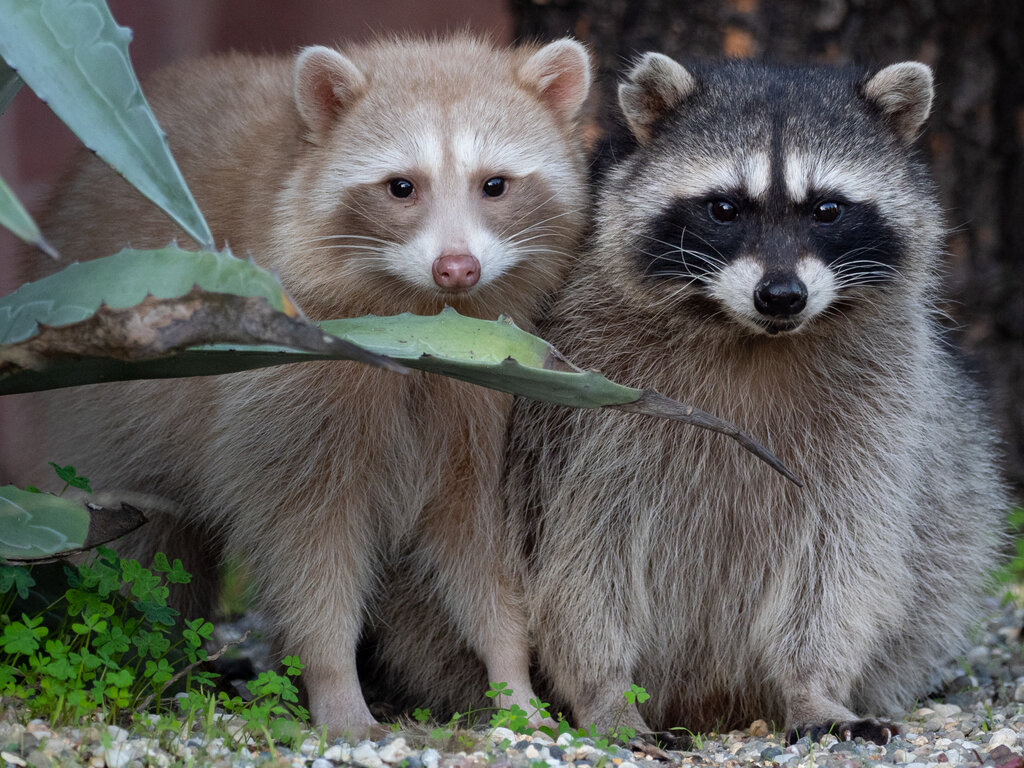
Their bushy, ringed tail provides balance for climbing, and their stocky build stores fat, helping them survive harsh winters. These physical traits are paired with impressive intelligence. Raccoons are excellent problem-solvers, capable of remembering solutions for years. This cleverness, combined with their omnivorous diet, makes them one of nature's most adaptable survivors. They can eat almost anything, from fruits and nuts to insects, eggs, and human refuse.
Home Is Where the Food Is
Originally, raccoons were creatures of the forest, thriving in wooded areas near water. Their native range covers a huge swath of North America, from southern Canada down through the United States and into northern South America. They prefer habitats with trees for denning and water sources for foraging, such as marshes, riverbanks, and coastlines.
However, their adaptability has allowed them to conquer new environments. As human settlements expanded, raccoons discovered that cities and suburbs offer an abundance of food and shelter. Chimneys, attics, and storm drains make excellent dens, while garbage cans and gardens provide a reliable feast. This ability to flourish in human-altered landscapes is a key reason for their widespread success and visibility today.
Now, let's test what you've learned about this resourceful animal.
To which scientific family do raccoons belong?
What is the primary proposed function of a raccoon's black facial mask?
Understanding the raccoon's deep history and innate traits gives us a clearer picture of this clever, adaptable creature.