Rabbit Tales Explained
Introduction to Anthropomorphism
When Animals Talk
What if your cat could complain about the quality of its food? Or a worn-out armchair could reminisce about the people who have sat in it? This instinct to give human traits to non-human things is a powerful storytelling tool. We see it everywhere from ancient fables to modern animated movies.
Anthropomorphism
noun
The attribution of human characteristics, emotions, and behaviors to animals or other non-human things.
Simply put, it’s the art of making animals, objects, or even ideas think, feel, and act like people. This isn't just a quirky habit; it's a fundamental way we make sense of the world and tell stories that stick.
An Ancient Storytelling Tool
Anthropomorphism is as old as storytelling itself. Thousands of years ago, people gathered to hear tales of cunning foxes, wise spiders, and foolish crows. These stories weren't just for entertainment. They were used to pass down wisdom and teach important lessons about human nature.
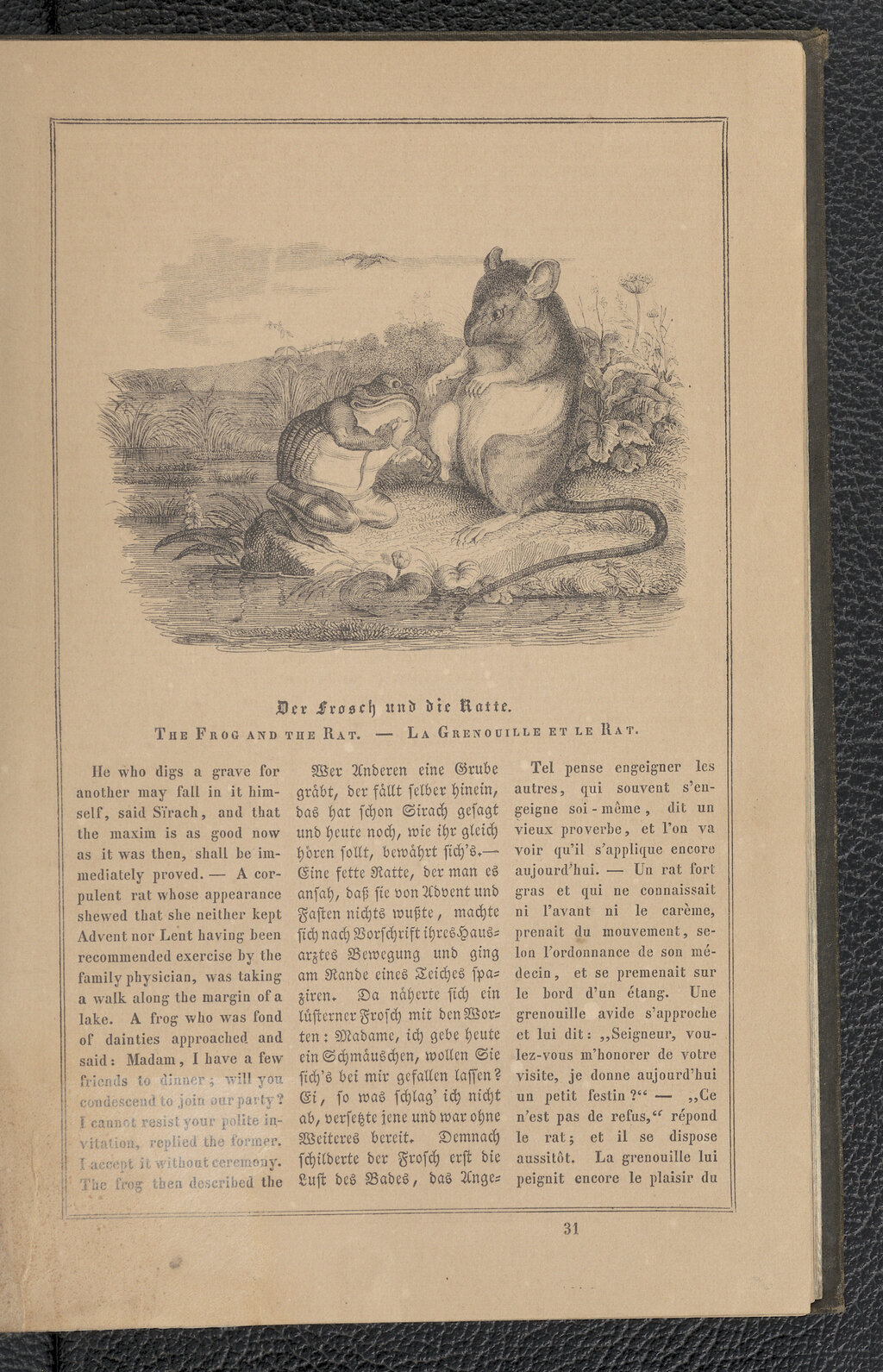
Ancient Greek collections like Aesop's Fables used talking animals to explore virtues like patience and honesty. In West African folklore, the spider Anansi is a trickster whose schemes often reveal truths about society. In Native American traditions, characters like Coyote and Raven are complex figures who can be both creators and troublemakers, reflecting the dualities of life.
This tradition isn't limited to animals. Myths from around the world feature gods and goddesses who embody natural forces like the sun, the sea, or the wind, but who behave with very human emotions like jealousy, love, and anger.
Why It Works
Why do we keep telling stories this way? Because it's incredibly effective. By giving human traits to a bear or a teacup, a storyteller can make complex or abstract ideas feel simple and relatable.
It’s easier for a child to understand the concept of greed through the story of a selfish dragon than through a dry lecture on economics.
Anthropomorphism creates a safe distance for the audience. We can explore difficult themes like fear, loss, or social injustice through the eyes of animal characters. This allows us to engage with these ideas without feeling directly confronted. The characters act as a mirror for our own experiences, helping us understand ourselves and the world around us.
This technique builds empathy. When we see a character, even a non-human one, experience joy or sadness, we connect with that emotion. It helps children, in particular, learn to see the world from different perspectives.
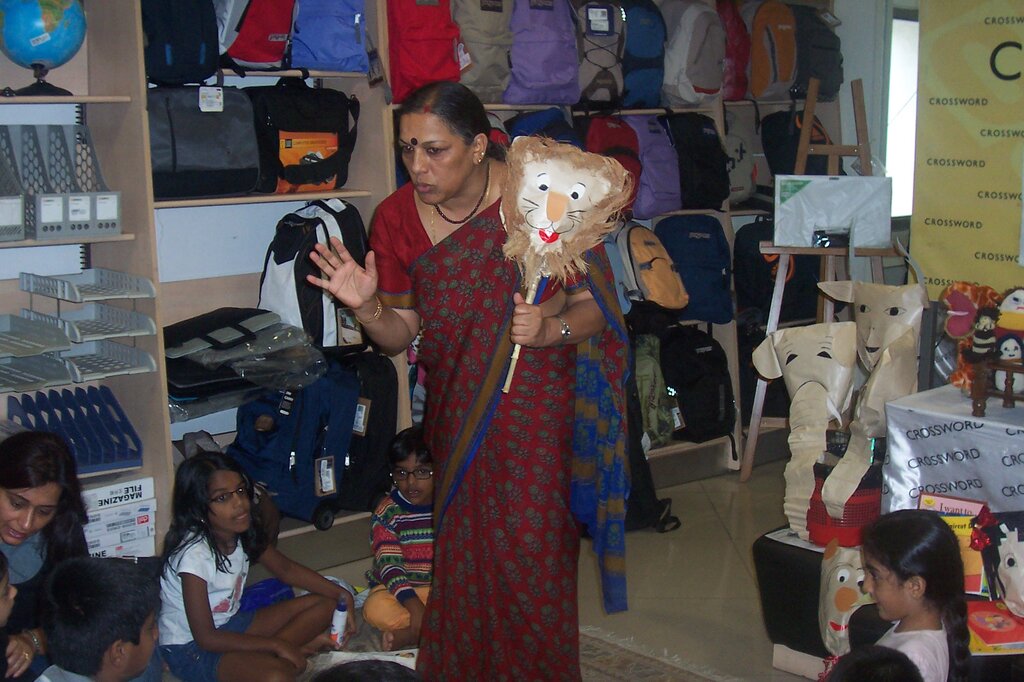
From ancient myths to Saturday morning cartoons, giving human life to the non-human is one of our oldest and most powerful ways to share what it means to be human.
What is anthropomorphism?
According to the text, what is a primary psychological effect of using anthropomorphism in stories?