Quranic Arabic Essentials
Arabic Alphabet
Meet the Arabic Alphabet
The Arabic alphabet is the foundation of a script used by hundreds of millions of people. At first glance, it can look intimidating, with its flowing, cursive letters. But once you understand a few key principles, you'll find it's surprisingly logical.
First, Arabic is written and read from right to left. This might feel strange, but it's just a matter of getting used to moving your eyes in a new direction. Second, Arabic is almost always written in a cursive style, where letters connect to each other. Think of it like English cursive, but mandatory.
Unlike the Latin alphabet, where letters are mostly separate, Arabic letters flow together to form words.
abjad
noun
A writing system where each symbol primarily stands for a consonant, leaving the reader to supply the appropriate vowel sound.
The Arabic alphabet has 28 letters. Many of the sounds will be familiar to English speakers, but a few are unique to Arabic and will require some practice. Let's look at the full set.
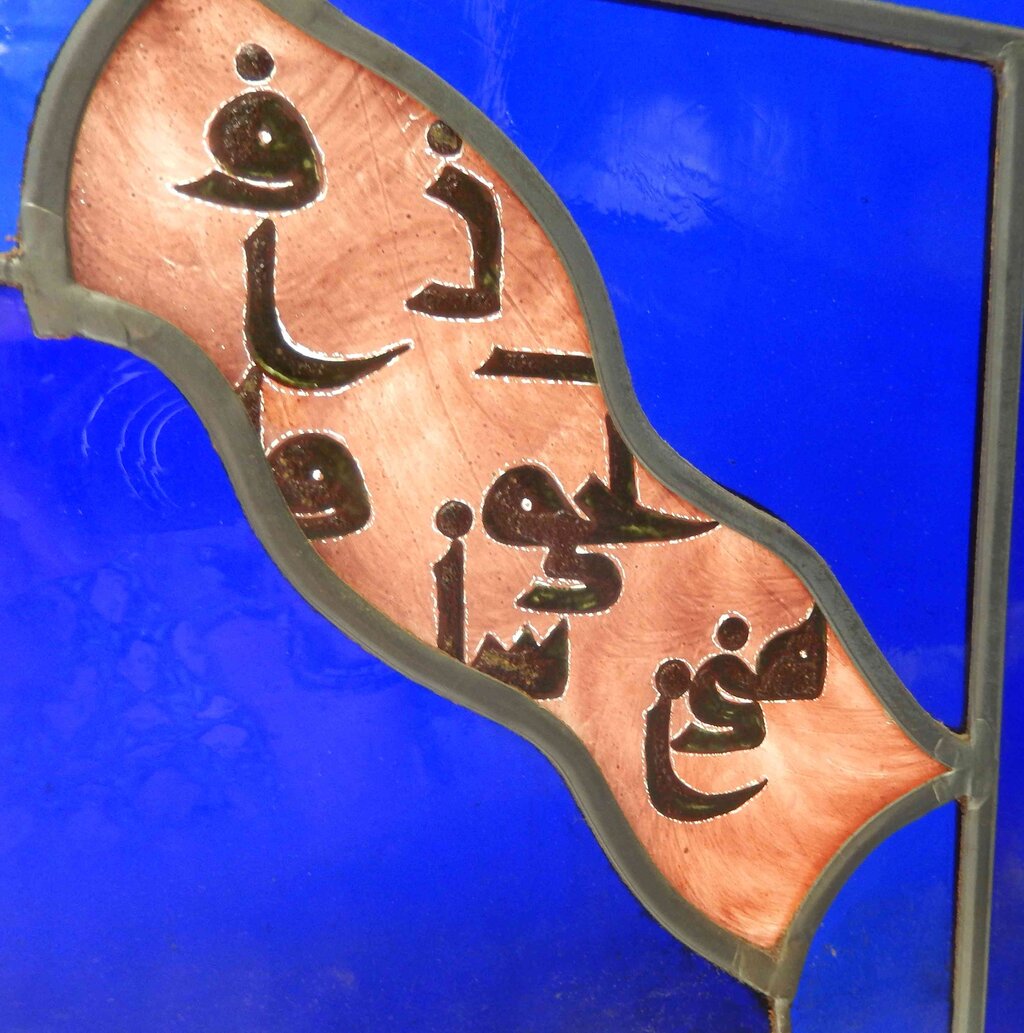
| Letter | Name | Transliteration | Pronunciation Guide |
|---|---|---|---|
| ا | Alif | ā | like the 'a' in 'father' |
| ب | Bā' | b | like the 'b' in 'bed' |
| ت | Tā' | t | like the 't' in 'top' |
| ث | Thā' | th | like the 'th' in 'three' |
| ج | Jīm | j | like the 'j' in 'jam' |
| ح | Ḥā' | ḥ | A sharp, breathy 'h' from the throat |
| خ | Khā' | kh | like the 'ch' in Scottish 'loch' |
| د | Dāl | d | like the 'd' in 'door' |
| ذ | Dhāl | dh | like the 'th' in 'this' |
| ر | Rā' | r | A rolled 'r', like in Spanish |
| ز | Zāy | z | like the 'z' in 'zoo' |
| س | Sīn | s | like the 's' in 'see' |
| ش | Shīn | sh | like the 'sh' in 'shoe' |
| ص | Ṣād | ṣ | A heavy 's' sound, deeper than Sīn |
| ض | Ḍād | ḍ | A heavy 'd' sound, unique to Arabic |
| ط | Ṭā' | ṭ | A heavy 't' sound, deeper than Tā' |
| ظ | Ẓā' | ẓ | A heavy 'dh' sound |
| ع | 'Ayn | ' | A deep, guttural sound from the throat |
| غ | Ghayn | gh | A gargling sound, like a French 'r' |
| ف | Fā' | f | like the 'f' in 'fish' |
| ق | Qāf | q | A 'k' sound made further back in the throat |
| ك | Kāf | k | like the 'k' in 'king' |
| ل | Lām | l | like the 'l' in 'love' |
| م | Mīm | m | like the 'm' in 'moon' |
| ن | Nūn | n | like the 'n' in 'name' |
| ه | Hā' | h | like the 'h' in 'hat' |
| و | Wāw | w / ū | like the 'w' in 'water' or the 'oo' in 'boot' |
| ي | Yā' | y / ī | like the 'y' in 'yes' or the 'ee' in 'see' |
How Letters Change Shape
Here’s the most important concept for learning to read Arabic: most letters change their shape depending on their position in a word. This isn't as complicated as it sounds. Each letter has up to four forms:
Isolated: When the letter stands alone. Initial: When it's at the beginning of a word. Medial: When it's in the middle of a word. Final: When it's at the end of a word.
Think of it like puzzle pieces. The initial form has a connector reaching forward (to the left), the medial form has connectors on both sides, and the final form has a connector coming from the right. Let's see how this works with the letter ب (Bā').
Most letters follow this connection pattern. However, there are six letters that are sometimes called 'non-connectors' or 'one-way connectors'. They will connect to a letter before them (on the right), but never to a letter after them (on the left).
| Non-Connecting Letters | Name |
|---|---|
| ا | Alif |
| د | Dāl |
| ذ | Dhāl |
| ر | Rā' |
| ز | Zāy |
| و | Wāw |
When one of these six letters appears in a word, it creates a break in the cursive flow. The next letter in the word will start with its initial form.
Time to Practice
The only way to learn the alphabet is through practice. Don't try to memorize everything at once. Focus on a few letters at a time. Write them out, say their names, and practice their sounds.
Familiarizing yourself with these letters and their pronunciations is a great first step.
Start by writing each letter in its isolated form. Pay attention to the direction of the strokes. As you get comfortable, you can start practicing the different forms and trying to connect them.
Ready to check your understanding? Let's try a few questions.
In which direction is the Arabic script typically written and read?
Why do most Arabic letters change their shape?
Learning a new alphabet is a big step. By mastering these 28 letters and their forms, you are building the essential foundation for reading and writing Arabic.