Qullamaggi Trading Framework Mastery
Introduction to Qullamaggie Trading Framework
The Qullamaggie Framework
Many traders dream of turning a small account into a fortune. Kristjan Kullamägi, a Swedish trader, actually did it. Starting with just a few thousand dollars, he grew his portfolio into millions. He didn't use a secret formula or inside information. Instead, he developed a systematic approach focused on swing trading stocks with strong momentum.
His framework, often called the Qullamaggie method, is about finding stocks that are already moving powerfully and riding that wave. It's not about predicting bottoms or tops. It's about joining a trend that's already in motion. This approach combines pattern recognition, an awareness of market conditions, and strict risk management to capitalize on high-probability opportunities.
Momentum Is Key
The engine of the Qullamaggie framework is momentum. Think of a rocket taking off. It needs immense initial thrust to escape gravity. Once it's in motion, it tends to stay in motion. Stocks behave similarly. A stock that has shown strong upward price movement is more likely to continue that movement than a stock that is stagnant or drifting downward.
Momentum
noun
The rate of acceleration of a security's price or volume. In trading, it refers to the tendency of assets that have performed well recently to continue performing well.
Swing trading aims to capture these short to medium-term gains. Instead of holding for years or trading in and out within a day, a swing trader might hold a position for several days or weeks. By focusing on stocks with proven momentum, traders increase the odds that the price will move in their favor during this holding period.
The core idea is simple: buy strong stocks that are getting stronger.
Finding Your Setup
Momentum alone isn't enough. You need a specific entry point. This is where pattern recognition comes in. The Qullamaggie framework relies on identifying specific chart patterns that signal a stock is pausing before its next major move up. These patterns, often called "setups," are visual representations of supply and demand.
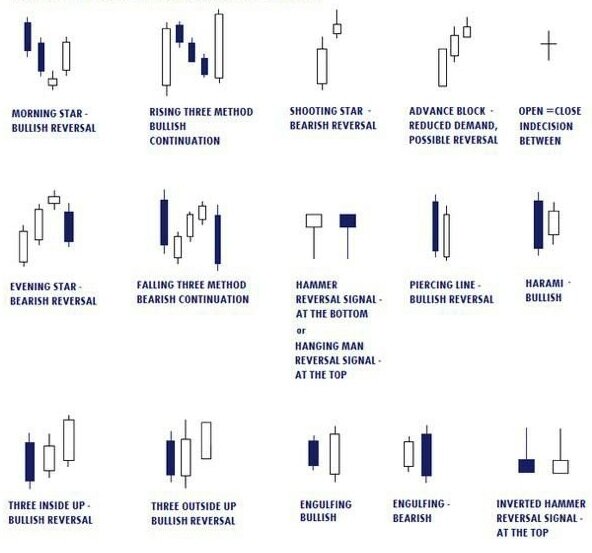
When a stock is in a strong uptrend, it rarely moves in a straight line. It will surge, then pause to consolidate as some traders take profits and new buyers step in. These consolidation periods form predictable patterns on a price chart. Learning to spot these patterns is like learning to read the market's language. It tells you when a stock is resting and building energy for its next leg up.
A good setup provides a low-risk entry point into a high-momentum stock.
Context and Risk
A perfect pattern in a weak market is likely to fail. The overall market condition is the backdrop for every trade. The Qullamaggie framework emphasizes that even the best setups work most reliably when the general market is healthy and in an uptrend. Trading with the market's tailwind is far easier than fighting against it.
Finally, no trading strategy works without risk management. This is the most crucial piece of the puzzle. The fundamental rule is to cut losses quickly and let winners run. Before entering any trade, you must know exactly where you will exit if the trade goes against you. This is your stop-loss.
By defining your risk beforehand, you protect your capital from large losses. A series of small, manageable losses is a normal part of trading. A single catastrophic loss can wipe you out. The goal is to ensure your winning trades are significantly larger than your losing trades, so you remain profitable over time.
Ready to check your understanding of these core concepts?
What is the central idea behind the Qullamaggie trading framework?
According to the Qullamaggie method, the most critical component for long-term success is...
Understanding these principles—momentum, patterns, market context, and risk control—provides a solid foundation for approaching the markets systematically.