Quitting Smoking
Understanding Nicotine Addiction
The Brain on Nicotine
When you use tobacco, nicotine rushes into your bloodstream and reaches your brain within seconds. There, it mimics a natural chemical messenger, or neurotransmitter, called acetylcholine. This allows it to activate parts of the brain that deal with pleasure, alertness, and memory.
More importantly, nicotine triggers the release of another chemical called dopamine in the brain's reward center. Dopamine is the “feel-good” neurotransmitter. It reinforces behaviors by creating pleasant sensations, teaching your brain to repeat the action that caused the release. This is the same pathway activated by things like eating good food or spending time with loved ones.
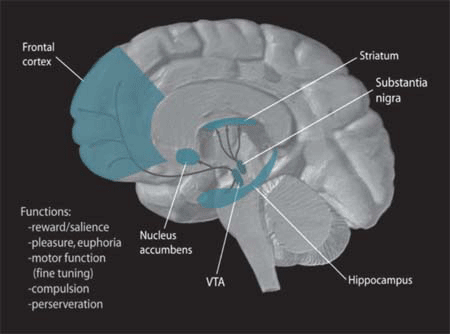
Each time you use nicotine, you get a hit of dopamine. Your brain quickly learns to associate tobacco use with this feeling of pleasure. Over time, your brain adapts. It starts to see the presence of nicotine as its new normal state. It even grows more nicotine receptors to handle the constant supply.
This adaptation is the root of addiction. Your brain begins to rely on nicotine to release dopamine and function in a way it now considers normal. Without it, things feel off.
The cycle of using tobacco in order to get nicotine to release chemicals in the brain to prevent withdrawal is what leads to tobacco addiction.
Dependence: Body and Mind
Nicotine addiction has two components: physical and psychological dependence. They work together, making it difficult to quit.
Physical dependence happens when your body gets used to having nicotine and needs it to function normally. When you stop using it, your body protests. This causes the unpleasant feelings and physical symptoms of withdrawal. Your body is literally craving the chemical it has come to rely on.
Psychological dependence is about the mind's connection to the habit of using tobacco. It's the rituals and routines you build around it, like smoking after a meal, during a work break, or when feeling stressed. These situations become triggers, creating a strong mental urge to use tobacco even without a physical craving.
Physical dependence is your body's need for the drug. Psychological dependence is your mind's attachment to the habit.
When the Nicotine Stops
When you stop providing your brain with the nicotine it expects, it sends out an alarm. The reward system is disrupted, leading to a range of withdrawal symptoms. These symptoms are a sign that your body and brain are beginning to heal and readjust to life without nicotine.
| Symptom | What It Feels Like |
|---|---|
| Cravings | An intense, overwhelming urge to use tobacco. |
| Irritability & Anger | Feeling easily frustrated, impatient, or annoyed. |
| Anxiety & Restlessness | A sense of worry, nervousness, or being on edge. |
| Difficulty Focusing | Trouble concentrating on tasks or remembering things. |
| Depressed Mood | Feeling sad, down, or losing pleasure in activities. |
| Increased Appetite | Feeling hungrier than usual, often craving sweets. |
| Insomnia | Trouble falling asleep or staying asleep through the night. |
Quitting is challenging because you're fighting a battle on two fronts: the physical need for nicotine and the psychological attachment to the habit. The triggers in your daily life can be powerful reminders of the pleasure your brain once associated with smoking.
However, the brain is resilient. When you quit, it begins to rebalance itself. The extra nicotine receptors die off, and dopamine levels start to regulate on their own again.
Within one month of quitting, the many nicotine receptors in your brain will return to normal, breaking the cycle of addiction.
Understanding this process is the first step. Knowing that withdrawal symptoms are temporary and that your brain can and will heal makes the journey feel more manageable.