Quick Service Restaurants Explained
Introduction to QSR Industry
What Makes a Restaurant 'Fast'?
A Quick Service Restaurant, or QSR, is what most of us call a fast-food joint. Think of places where you order at a counter or through a drive-thru, pay before you eat, and get your food in a matter of minutes. These restaurants are built for speed and convenience.
The core features are a limited menu, fast service, and affordable prices. The menu is streamlined to ensure that food can be prepared quickly and consistently. Unlike a traditional sit-down restaurant, the focus isn't on a leisurely dining experience. It's about getting a reliable meal, fast.
Key characteristics of a QSR:
- Speed: Food is prepared and served quickly.
- Value: Prices are typically lower than full-service restaurants.
- Consistency: The menu and quality are standardized across all locations.
A Quick History Lesson
The QSR model as we know it today boomed in the United States after World War II. The rise of the automobile and the development of the interstate highway system created a new, mobile society. Families were on the go, and they needed places where they could eat quickly and cheaply without leaving their cars.
Early pioneers of the industry, like McDonald's, perfected a system of assembly-line food production. This meant every burger and every batch of fries could be made the same way, every time. This consistency, combined with speed, became the blueprint for fast-food success around the world.
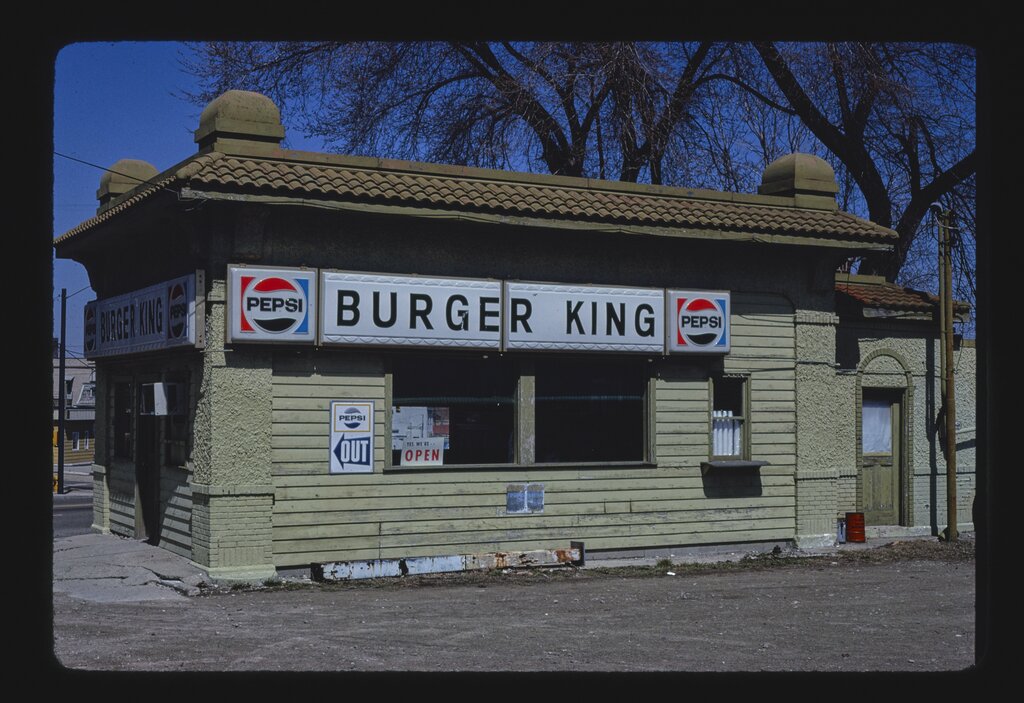
This model allowed chains to expand rapidly, stamping a familiar and reliable dining option in towns and cities across the country, and eventually, the globe. The golden arches or the Burger King crown became instantly recognizable symbols of a quick, dependable meal.
The QSR Landscape Today
The QSR industry is a massive part of the global economy, employing millions of people and generating hundreds of billions of dollars in revenue each year. Its popularity comes from how well it fits into modern life. For busy parents, students on a budget, or travelers on the road, QSRs offer a convenient and predictable solution for a meal.
While convenience and price are major drivers, the industry has also evolved. Many chains now offer healthier options, premium coffee, and a more comfortable dining atmosphere to compete for a wider range of customers.
The term "fast food" no longer just means burgers and fries. The QSR category is incredibly diverse, covering a wide range of cuisines and service styles. Each type of establishment caters to different tastes and cravings.
| Category | Description | Major Players |
|---|---|---|
| Burger Chains | The classic fast-food model, focused on hamburgers and fries. | McDonald's, Burger King, Wendy's |
| Pizza Outlets | Specialize in pizza, often with a heavy focus on delivery and takeout. | Domino's, Pizza Hut, Papa John's |
| Sandwich Shops | Offer made-to-order submarine sandwiches and salads. | Subway, Jimmy John's, Arby's |
| Coffee & Snack Shops | Focus on coffee, baked goods, and breakfast items. | Starbucks, Dunkin', Tim Hortons |
| Chicken-Focused | Center their menu on fried or grilled chicken. | KFC, Chick-fil-A, Popeyes |
From grabbing a morning coffee to a late-night pizza, the QSR industry has integrated itself into the daily routines of people all over the world. Its ability to deliver speed, value, and variety is the foundation of its lasting success.
Which of the following is a core feature of a Quick Service Restaurant (QSR)?
What major historical development was a primary catalyst for the boom of the QSR industry in the United States?
These fundamentals help explain why fast-food restaurants are such a dominant force in the foodservice landscape.