Queues vs PubSub in Software Engineering
Introduction to Messaging Patterns
Communicating Between Systems
Modern software applications are rarely a single, monolithic block of code. They are often distributed systems, a collection of smaller, specialized services that work together. An e-commerce site might have a service for user accounts, another for product catalogs, and a third for processing payments. For the application to function, these services need to communicate effectively.
But direct communication can be tricky. If the payment service calls the user account service directly, what happens if the user service is temporarily offline for an update? The payment fails. What if the product catalog gets a massive surge of traffic? It might slow down every other service that depends on it. This tight connection, or coupling, makes systems brittle and hard to scale.
Messaging patterns are proven architectural solutions for enabling different parts of a software system to communicate reliably without being directly connected.
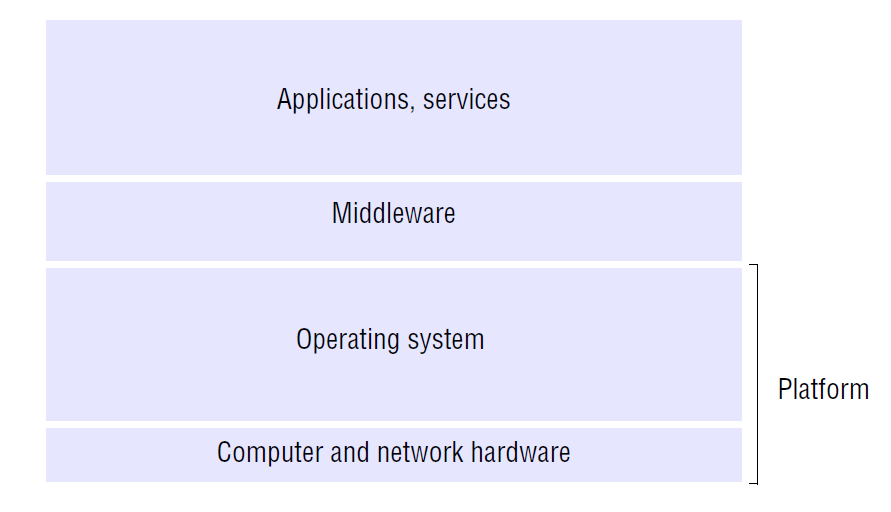
Instead of talking directly to each other, services send messages through an intermediary. This intermediary is a piece of software known as message-oriented middleware (MOM), or more commonly, a message broker. Think of it as a central post office for your application. Services drop off letters (messages) at the post office, which then handles sorting and delivering them to the correct recipients. The sender doesn't need to know where the recipient is or even if they're available to receive the letter right away.
The Power of Decoupling
The primary benefit of using messaging is decoupling. It breaks the direct dependencies between system components, leading to a more resilient and flexible architecture.
Imagine you need to tell a coworker something important. You could call them on the phone. This is a direct, synchronous connection. You both have to be available at the same time, and you're stuck on the line until the conversation is over. If they don't pick up, the communication fails.
Alternatively, you could send them an email. This is asynchronous. You send the message and move on to other tasks. Your coworker can read and respond to it whenever they're free. The communication doesn't depend on you both being available simultaneously. The email server acts as the middleware, holding the message until the recipient is ready.
This decoupling through messaging means:
- Improved Reliability: If the receiving service is down, the message broker simply holds the message until the service is back online. No data is lost.
- Greater Scalability: Services can be scaled independently. If the order processing service is overwhelmed, you can add more instances of it to handle the load without affecting the checkout service that sends it messages.
- Increased Flexibility: You can add, remove, or update services without breaking the entire system. A new service can start listening for messages without the sending service ever knowing it exists.
There are several well-established messaging patterns that applications use. The two most fundamental are message queues, which ensure a message is processed by a single recipient, and the publish-subscribe model, which broadcasts a message to many interested recipients. We'll explore how each of these powerful patterns works next.