Quercetin: The Antioxidant Powerhouse
Introduction to Quercetin
What is Quercetin?
Ever wonder what gives an apple its red skin or an onion its sharp taste? Part of the answer lies in natural plant compounds called flavonoids. Quercetin is one of these compounds, a pigment found in a wide variety of plants. It's one of the most common flavonoids in the human diet.
Think of quercetin as a natural building block in many of the fruits, vegetables, and grains you eat every day.
A Look at the Structure
At a molecular level, quercetin has a specific chemical structure that defines its properties. It belongs to a group of compounds called polyphenols, which are characterized by having multiple phenol groups in their structure. Specifically, quercetin is made up of three rings linked together, with five hydroxyl (-OH) groups attached to them. This core structure is what makes it a flavonoid.
The number and location of these hydroxyl groups are key. They influence how the molecule interacts with other substances in the body. Different flavonoids have slight variations in this basic structure, which is how scientists tell them apart.
Quercetin's Place in the Flavonoid Family
Flavonoids are not a single substance but a large family of over 6,000 different compounds. To make sense of them all, scientists group them into subclasses based on their chemical structure. The main subclasses include:
Quercetin is classified as a flavonol. The flavonols are one of the most widespread groups of flavonoids in fruits and vegetables. Its specific structure, including the double bond and ketone group in its central ring (Ring C), places it firmly in this category.
Finding Quercetin on Your Plate
Because it's so common in the plant kingdom, you're likely already eating quercetin without realizing it. It is particularly concentrated in the skins of fruits and vegetables, as it helps protect the plant from sunlight. Some of the richest dietary sources include:
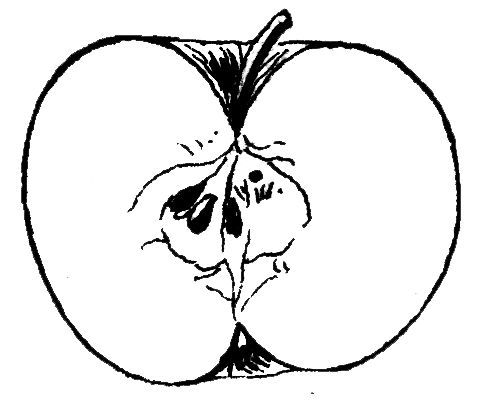
Cooking methods can affect quercetin levels in food. For example, boiling can cause it to leach into the water, while light frying or steaming may preserve more of it.
| Food Group | Examples |
|---|---|
| Vegetables | Onions, kale, broccoli, capers, peppers |
| Fruits | Apples, grapes, berries, cherries |
| Grains | Buckwheat |
| Herbs & Drinks | Dill, cilantro, green tea, red wine |
Understanding what quercetin is, its structure, and where it comes from is the first step. This foundation helps in appreciating its role in both the plant kingdom and human nutrition.