Quantum Computing Fundamentals
Introduction to Quantum Computing
Beyond Bits and Bytes
The computer or phone you're using right now thinks in a very straightforward way. Everything it does, from displaying this text to connecting to the internet, boils down to managing a massive number of tiny switches called bits. Each bit can be in one of two states: on or off, which we represent as a 1 or a 0. It's a simple, powerful system that has served us well for decades.
Quantum computing, however, operates on a completely different set of rules, borrowed from the weird world of quantum mechanics. Instead of bits, it uses quantum bits, or qubits. This single change unlocks a staggering amount of computational power.
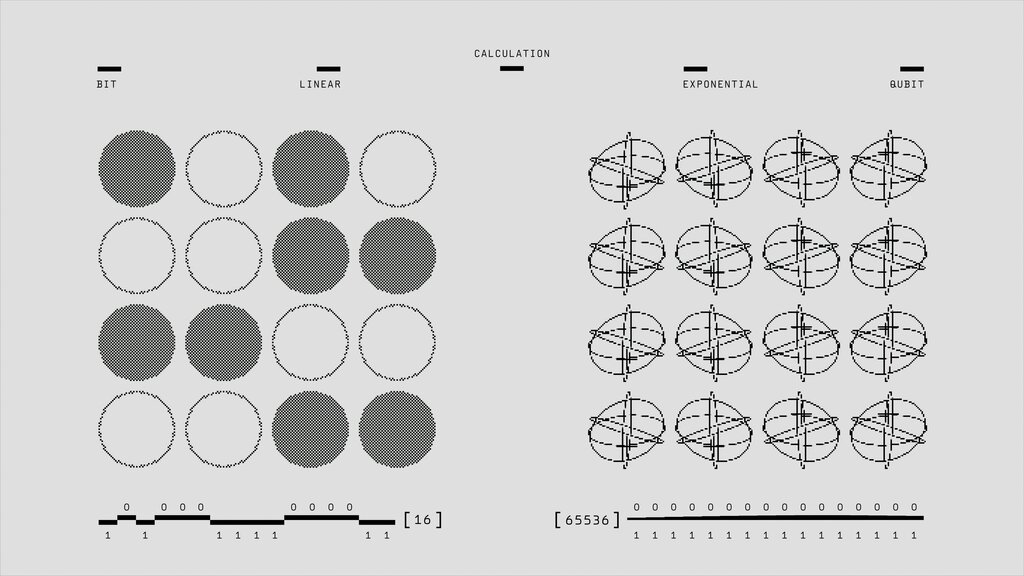
A qubit, like a bit, can be a 0 or a 1. But it can also be something else entirely. This is where the unique properties of quantum physics come into play.
The Power of Superposition
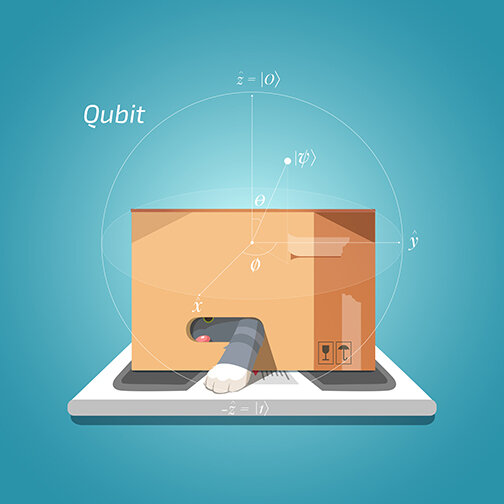
Imagine a spinning coin. Before it lands, it's not heads and it's not tails. In a sense, it's a blend of both possibilities. A qubit works in a similar way, thanks to a principle called superposition. While a bit must be either a 0 or a 1, a qubit can be a 0, a 1, or a combination of both at the same time.
It's only when we "measure" the qubit that it collapses into a definite state, either 0 or 1. This ability to exist in multiple states at once allows quantum computers to explore a vast number of possibilities simultaneously. Where a classical computer would have to check each option one by one, a quantum computer can check many of them in a single go.
A Spooky Connection
The other key property of qubits is entanglement. When two qubits become entangled, their fates are intertwined. No matter how far apart they are, the state of one is instantly linked to the state of the other. If you measure one entangled qubit and find it's a 0, you know with absolute certainty that its partner is a 1.
Albert Einstein famously called this phenomenon "spooky action at a distance." It's like having two magic coins. If you flip them and send one to the other side of the world, the moment you see your coin landed on heads, you instantly know the other one landed on tails, without ever looking at it.
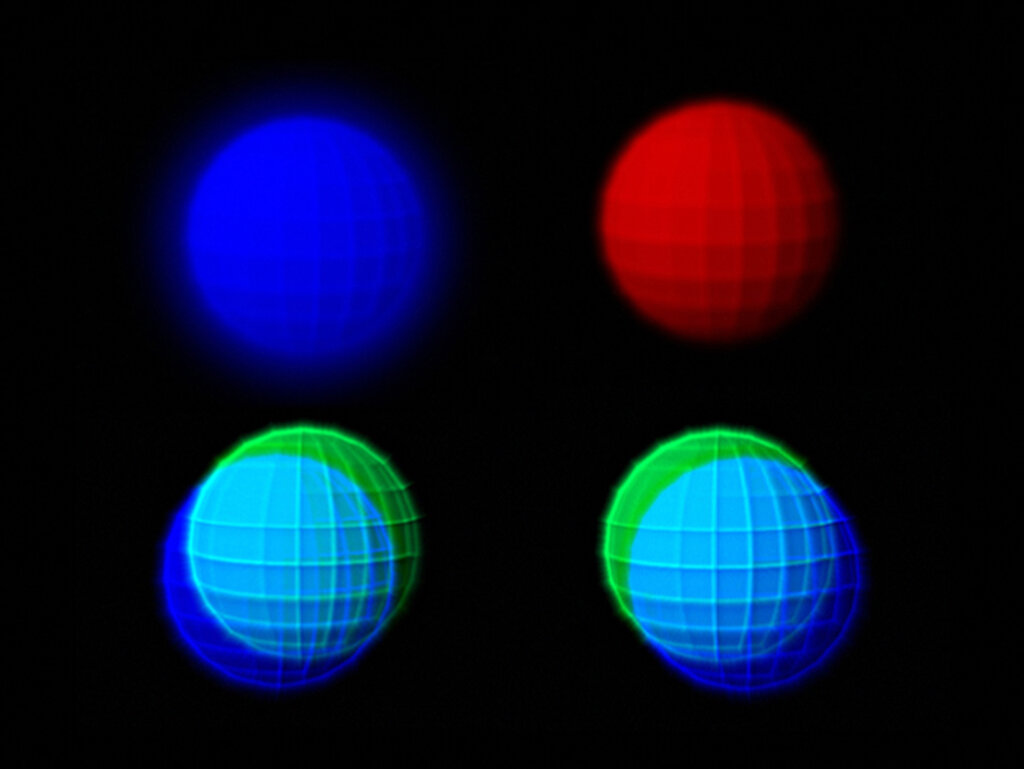
Superposition and entanglement are the one-two punch of quantum computing. By putting qubits into a superposition of states and then entangling them, a quantum computer can perform calculations that are simply out of reach for even the most powerful supercomputers today.
This doesn't mean quantum computers will replace your laptop. They're designed to solve specific, highly complex problems that are currently intractable. Think of designing new materials at the molecular level, discovering new drugs, or breaking complex cryptographic codes. These are the kinds of challenges where quantum algorithms, powered by superposition and entanglement, can make a revolutionary difference.
Quantum computers approach solving problems in a fundamentally new way.
Let's check your understanding of these core concepts.
What is the fundamental unit of information in a quantum computer?
The principle that allows a qubit to exist in a combination of 0 and 1 at the same time is known as:
These foundational ideas are just the beginning of a journey into a new era of computation.