Quantum Computing Fundamentals
Introduction to Quantum Computing
A Different Kind of Computer
Classical computers, from your smartphone to the most powerful supercomputers, work with bits. A bit is the smallest unit of data and can only exist in one of two states: a 0 or a 1. Think of it like a light switch—it's either on or off. There's no in-between.
Quantum computing throws that rule out the window. It's a revolutionary approach that uses the strange principles of quantum mechanics to process information. Instead of bits, quantum computers use qubits.
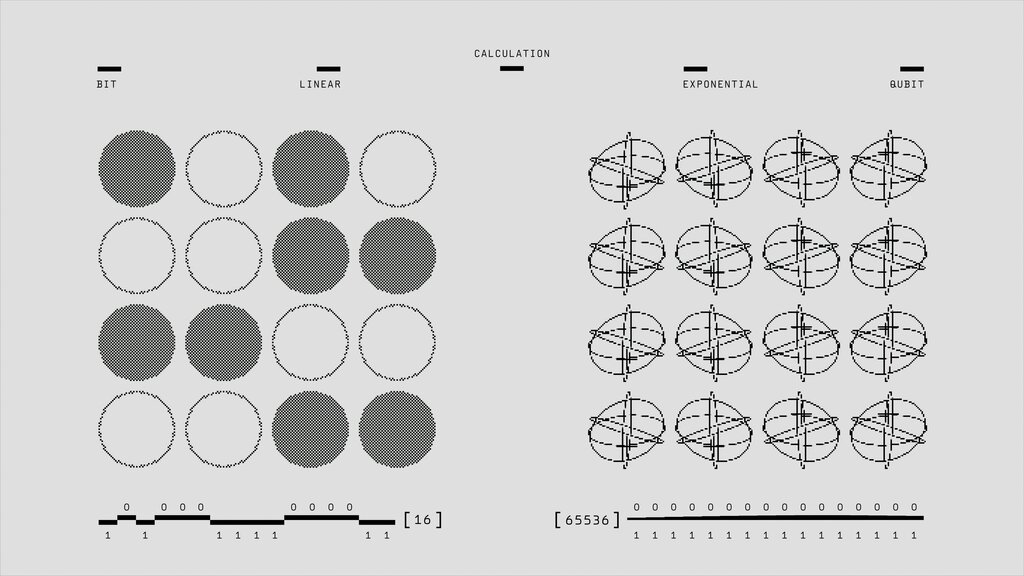
A qubit can be a 0, a 1, or a combination of both at the same time. This ability to exist in multiple states at once is what gives quantum computers their incredible potential. It allows them to explore a vast number of possibilities simultaneously, tackling problems that would take a classical computer billions of years to solve.
Superposition and Entanglement
Two key quantum principles make this new kind of computation possible: superposition and entanglement.
superposition
noun
The ability of a quantum system, like a qubit, to be in multiple states at the same time.
Imagine a spinning coin. While it's in the air, it's not quite heads and not quite tails. It's in a fuzzy, probabilistic state that's a blend of both possibilities. Only when it lands and you measure the outcome does it settle into a definite state of either heads or tails. Superposition is the quantum version of that spinning coin. A qubit exists in a combination of 0 and 1 until it's measured, at which point it collapses into one of the two classical states.
This ability to hold multiple values at once allows a quantum computer with just a few hundred qubits to represent more numbers than there are atoms in the known universe.
Entanglement is even stranger. Einstein famously called it "spooky action at a distance." When two qubits are entangled, their fates become linked. No matter how far apart they are, the state of one instantly affects the state of the other. If you measure one entangled qubit and find it's a 0, you'll know with certainty that its partner is a 1, and vice versa.
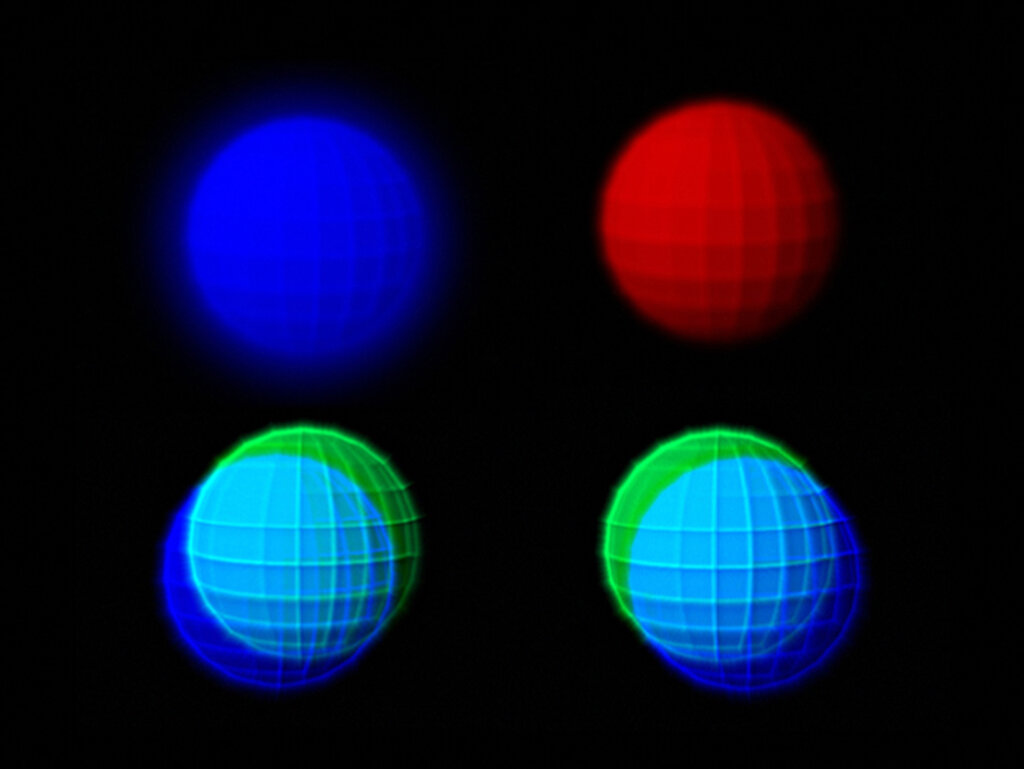
This interconnectedness is a powerful resource. It allows for complex correlations and information sharing between qubits, which is essential for running sophisticated quantum algorithms.
Why Does It Matter?
Quantum computers aren't meant to replace your laptop. They are specialized machines designed to solve specific types of complex problems that are currently impossible for even the fastest supercomputers. Potential applications are vast and could transform entire industries.
- Medicine: Simulating molecules to design new drugs and materials.
- Finance: Optimizing financial models and improving risk analysis.
- Artificial Intelligence: Enhancing machine learning algorithms.
- Cryptography: Breaking current encryption standards and creating new, unhackable ones.
Building and controlling these machines is incredibly difficult. Qubits are fragile and easily disturbed by their environment. But as the technology matures, quantum computing promises to unlock a new era of calculation and discovery.
Time to check your understanding of these core concepts.