Quantum Computing Explained for Mathematicians
Quantum Computing Basics
Beyond Bits
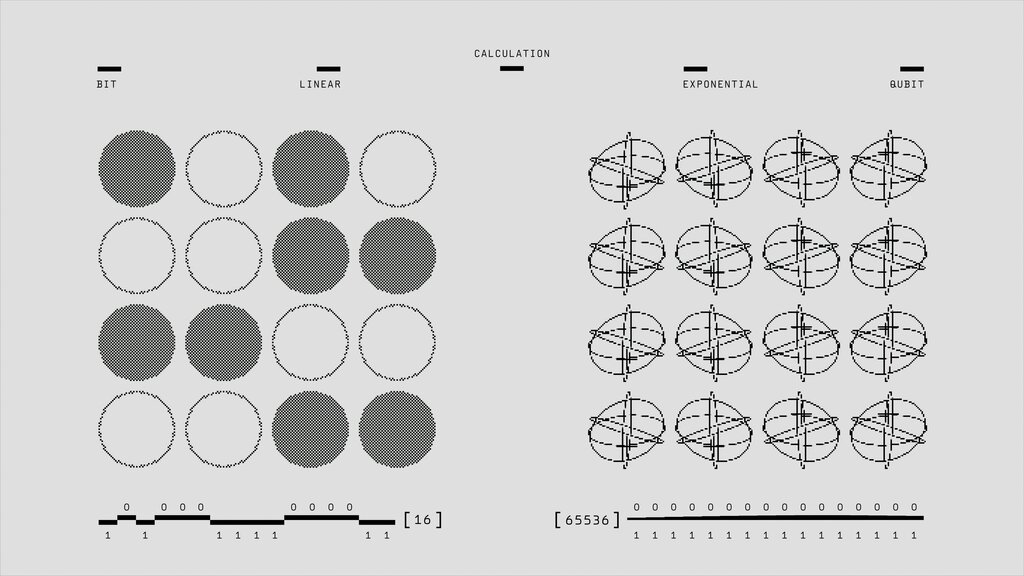
Classical computers, from your smartphone to the most powerful supercomputers, process information using bits. A bit is the smallest unit of data and can exist in one of two states: 0 or 1. It’s like a light switch—it's either on or off. This simple binary system is the foundation of all digital computing.
Quantum computers operate on a completely different principle. They use a new kind of bit called a qubit.
qubit
noun
The basic unit of quantum information. It is the quantum analogue of the classical bit.
Unlike a classical bit, a qubit isn't limited to just two states. Thanks to a principle called superposition, it can be a 0, a 1, or a combination of both at the same time.
Many States at Once
Superposition is one of the foundational ideas of quantum mechanics. It means a quantum system can exist in multiple states simultaneously until it is measured. Think of a spinning coin. While it’s in the air, it’s not definitively heads or tails—it’s a blur of both possibilities. Only when it lands (when we measure it) does it settle into a single, definite state.
A qubit works similarly. It exists in a superposition of 0 and 1. We can represent this state mathematically. While a classical bit is either 0 or 1, a qubit's state, often called (psi), is a linear combination of the states and :
Here, and are probability amplitudes. When we measure the qubit, the probability of it collapsing to is , and the probability of it collapsing to is . The sum of these probabilities must equal 1.
This ability to be in multiple states at once is what gives quantum computers their immense potential. A handful of qubits can explore a vast number of possibilities simultaneously, a task that would take a classical computer an impossible amount of time.
A Spooky Connection
Another strange but powerful quantum phenomenon is entanglement. When two or more qubits become entangled, their fates are linked, no matter how far apart they are. The state of one qubit is instantly correlated with the state of the other(s).
Another fundamental principle of quantum computing is entanglement, a phenomenon where two or more qubits become interconnected in such a way that the state of one qubit directly affects the state of another, regardless of the distance between them.
Imagine you have two entangled coins. If you flip them and one lands on heads, you instantly know the other has landed on tails, even if it's on the other side of the universe. This is an oversimplification, but it captures the essence of the connection.
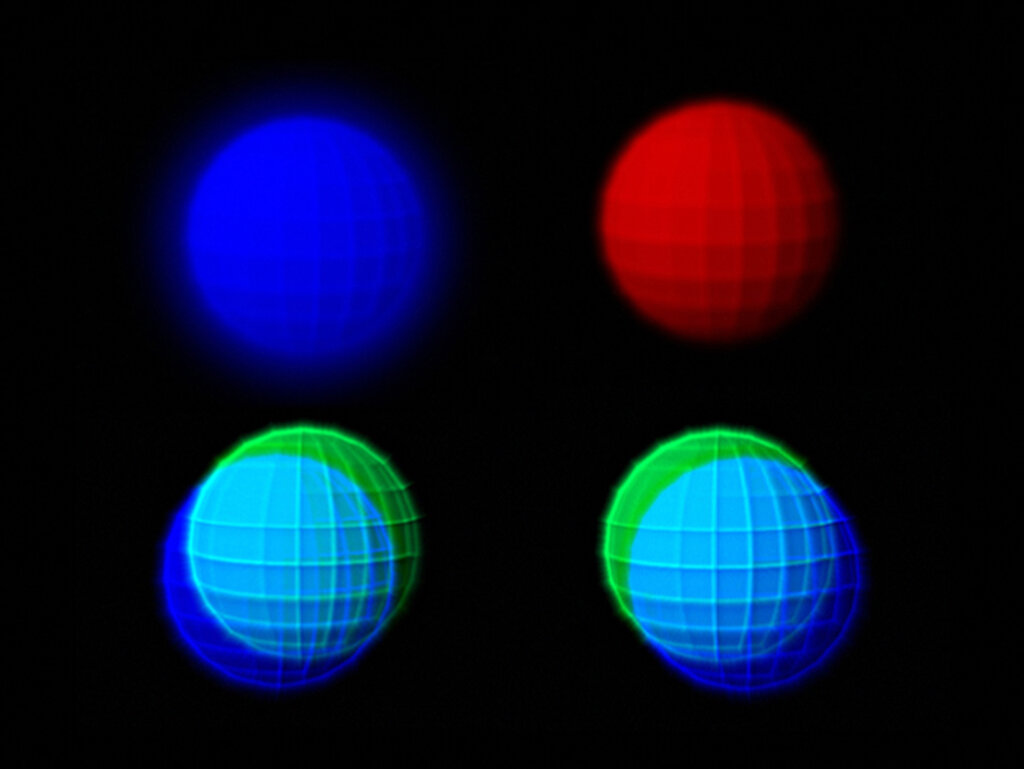
Entanglement doesn't allow for faster-than-light communication, but it is a crucial resource in quantum computing. It allows for complex correlations between qubits, which is essential for running powerful quantum algorithms and performing secure quantum communication.
Let's test your understanding of these fundamental concepts.
What is the fundamental unit of information in a classical computer?
The principle that allows a qubit to be a 0, a 1, or a combination of both at the same time is called ___.
Qubits, superposition, and entanglement are the building blocks that make quantum computing a revolutionary approach to processing information. They allow these machines to tackle problems far beyond the reach of even the most powerful classical computers.