Quantum Computing and Future Encryption Risks
Quantum Mechanics Basics
The Quantum Realm
In the world of everyday computers, information is simple. Everything boils down to bits, which are like tiny light switches. A bit can be either on (represented by a 1) or off (represented by a 0). This binary system is the foundation of all classical computing.
But when we shrink down to the scale of atoms and electrons, the rules change. This is the world of quantum mechanics, and it's where things get strange and powerful. Instead of straightforward on/off switches, we deal with properties that are fuzzy and interconnected in ways that defy our everyday intuition.
Superposition
Imagine a spinning coin. While it's in the air, it’s not quite heads and not quite tails. It's in a combination of both states. Only when it lands and you look at it does it settle into a definite state of either heads or tails. Superposition is the quantum version of this.
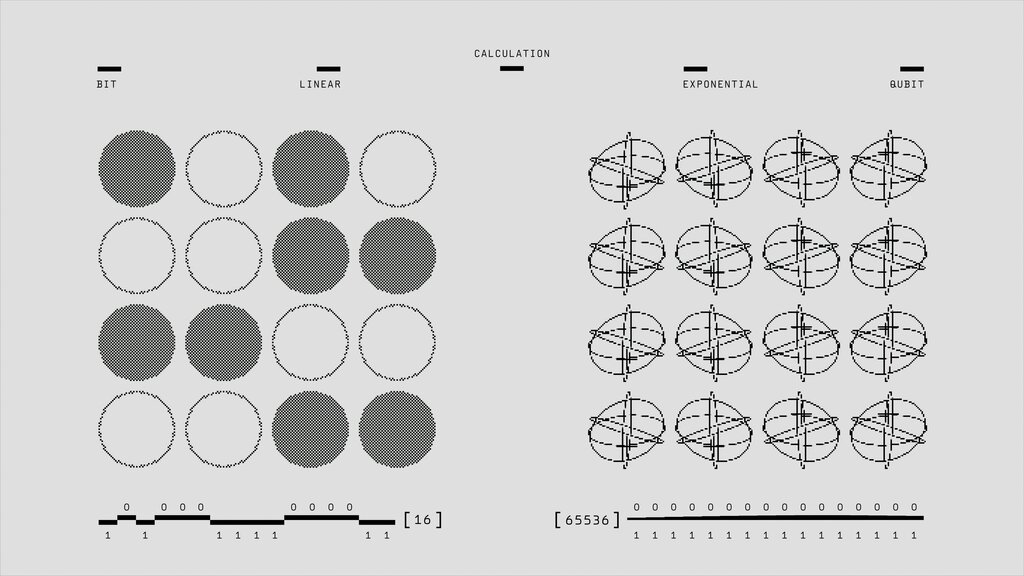
A quantum system can exist in multiple states at the same time. In quantum computing, the basic unit of information is not a bit, but a qubit. A qubit can be a 0, a 1, or a blend of both simultaneously.
qubit
noun
The basic unit of quantum information. It's the quantum analogue of the classical bit.
This ability to be in multiple states at once is what gives quantum computers their potential power. A single qubit can hold more information than a classical bit. Two qubits can hold four possible states at once (00, 01, 10, and 11), and the capacity grows exponentially with each added qubit. It’s like having millions of parallel spinning coins instead of just one.
This "many states at once" capability allows quantum computers to process a vast number of calculations simultaneously.
Entanglement
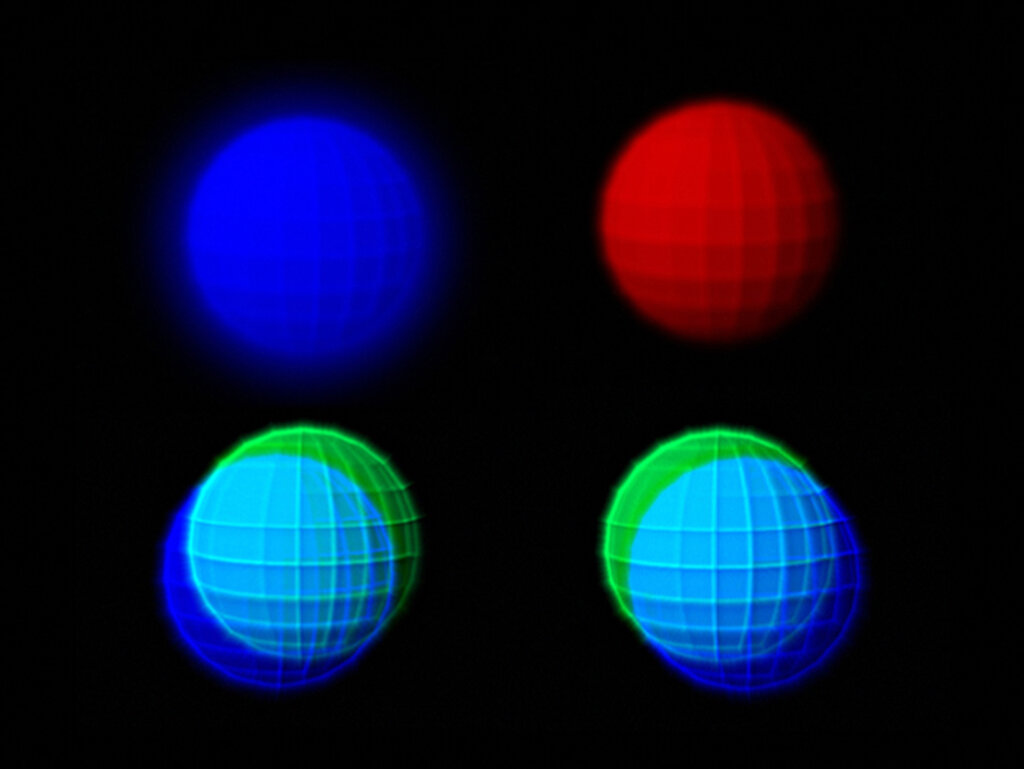
Things get even stranger when qubits interact. Entanglement is a special connection between two or more quantum particles. Once entangled, their fates are linked, no matter how far apart they are.
Think of it like having a pair of magic coins. You and a friend each take one and travel to opposite sides of the world. If you flip your coin and it lands on heads, you instantly know your friend’s coin will land on tails. Always. Before you flipped it, your coin had no definite state, but the moment you measured it, you knew the state of its entangled partner.
Albert Einstein famously called this "spooky action at a distance." This connection isn't just about hidden information; the particles are in an undefined, linked state until one is measured. This instantaneous correlation is a key resource in quantum computing and communication, allowing for complex information processing that isn't possible in classical systems.
Interference
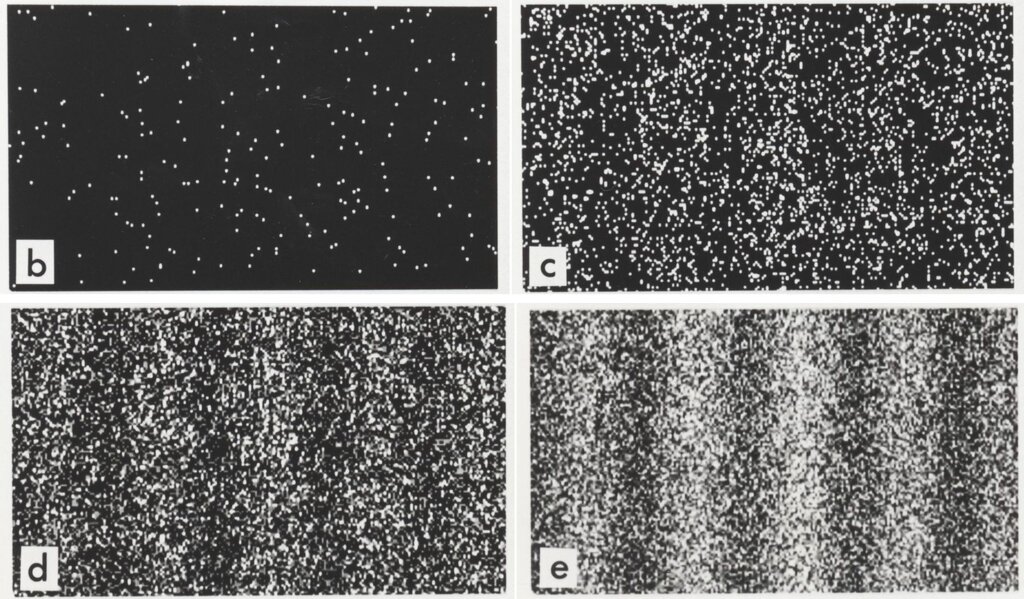
The final piece of the puzzle is interference. Like waves in a pond, quantum states can interact with each other. When two wave crests meet, they combine to create a bigger wave. This is called constructive interference. When a crest meets a trough, they cancel each other out. This is destructive interference.
In quantum mechanics, probabilities behave like waves. A qubit in a superposition is described by a wave function, which assigns a probability to each possible outcome (0 or 1). Through carefully controlled interactions, we can make the probability waves of incorrect answers cancel each other out, while the waves for the correct answer reinforce each other.
This process allows quantum algorithms to sift through a huge number of possibilities and converge on the right solution much faster than a classical computer ever could. It's like using ripples to find a hidden object in a pond, where all the waves cancel out except for the one that points directly to what you're looking for.
Superposition, entanglement, and interference are the three pillars that make quantum mechanics—and quantum computing—so different from our classical world. They work together to create a powerful new way of processing information.