Quantitative Trading Fundamentals
Introduction to Financial Markets
What Are Financial Markets?
Think of a financial market as a massive, global marketplace. But instead of fruits and vegetables, people buy and sell financial assets like stocks, bonds, and currencies. It's where savers and investors meet borrowers and businesses, allowing money to flow to where it's needed most.
These markets are the engine of the economy. They help companies raise money to grow, allow governments to fund public projects, and give individuals a way to save for the future. Without them, it would be much harder to build a business, buy a home, or plan for retirement.
The Cast of Characters
Financial markets aren't a free-for-all. They are highly structured environments with specific participants who each play a crucial role. Understanding these roles is key to understanding how the market works.
Exchange
noun
A centralized marketplace where financial assets are bought and sold. It provides a platform for trading and ensures that all transactions are fair and transparent.
Exchanges are like the physical building of the marketplace. They set the rules of the game and provide the technology to connect buyers and sellers.
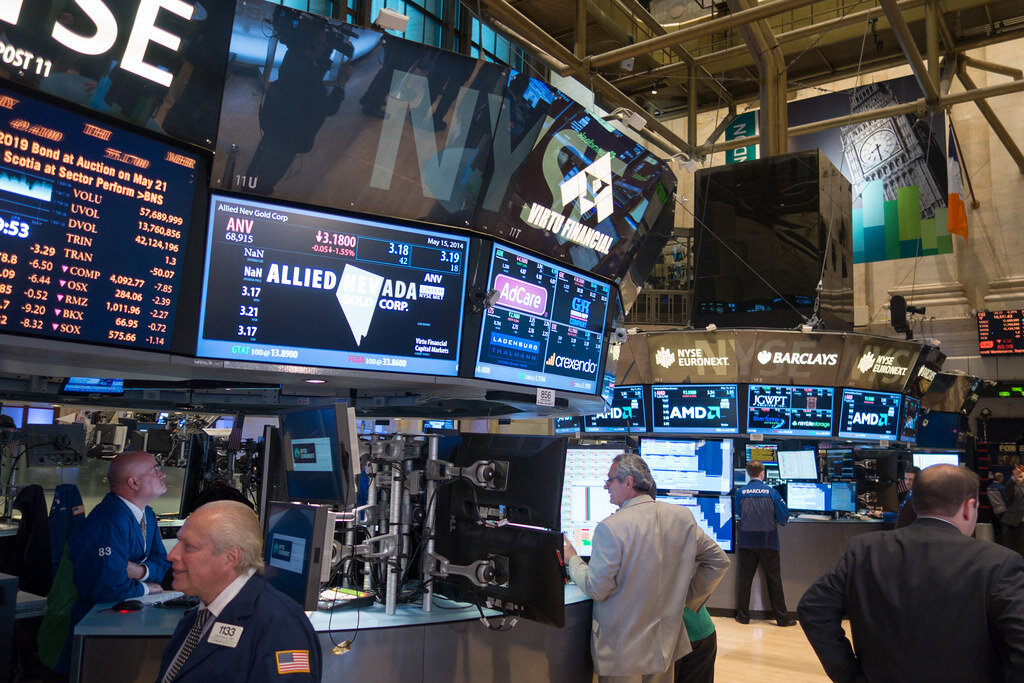
But you can't just walk onto the floor of the NYSE and start trading. You need an intermediary.
Broker
noun
An individual or firm that acts as an intermediary between an investor and an exchange. They execute buy and sell orders on behalf of their clients.
Then there are the participants who keep the market moving smoothly. These are the market makers.
Market Maker
noun
A firm that stands ready to buy and sell a particular stock at publicly quoted prices. They provide liquidity, making it easier for others to trade.
In short: exchanges are the venue, brokers are your agent, and market makers are the vendors ensuring there's always something to buy or sell.
The Main Arenas
Financial markets aren't just one big arena. They are divided into different sections based on the type of asset being traded. These are often called asset classes. Here are the four major ones.
| Asset Class | What It Represents | Common Example |
|---|---|---|
| Equities | Ownership in a publicly-traded company | Stocks |
| Fixed Income | A loan made to an entity (government or corporation) | Bonds |
| Derivatives | A contract whose value is derived from an underlying asset | Options, Futures |
| Forex | The market for trading currencies | EUR/USD pair |
Let's break these down a bit further.
Equities, or stocks, represent a slice of ownership in a company. When you buy a share of a company's stock, you become a part-owner. You share in the company's potential profits, and also its risks. The value of your stock can go up or down based on the company's performance and market sentiment.
Fixed Income securities are essentially loans. When you buy a bond, you are lending money to a government or a corporation. In return, they promise to pay you periodic interest payments and return your initial investment at a future date. It's called "fixed income" because the interest payments are typically set at a fixed rate.
Derivatives are a bit more abstract. They are financial contracts that derive their value from an underlying asset, like a stock or a commodity. Options and futures are common types of derivatives. They are often used for hedging risks or for speculation, but they can be complex.
The Foreign Exchange (Forex or FX) market is where currencies are traded. It's the largest financial market in the world. This market is crucial for international trade and investment, as it allows businesses and investors to convert one currency into another.
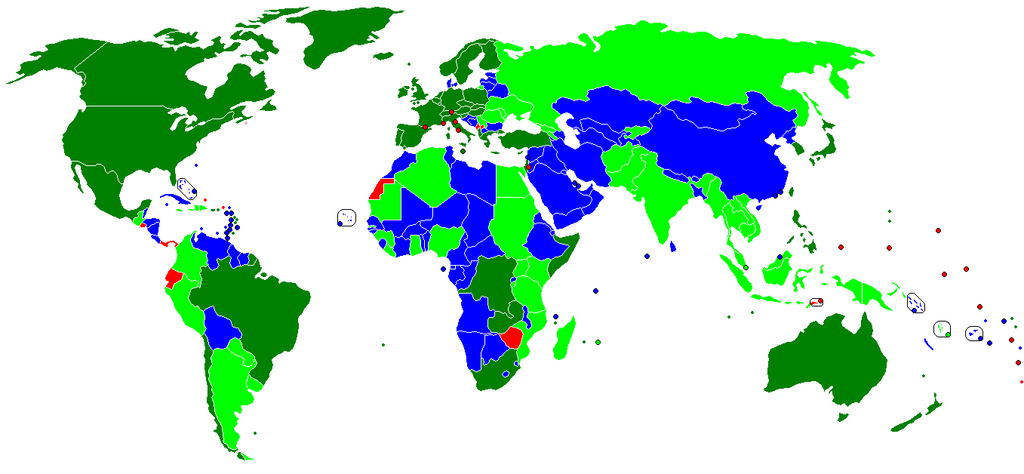
All these markets, participants, and asset classes form a complex, interconnected system. Exchanges provide the structure, brokers offer access, and market makers ensure liquidity across all the different asset classes. Together, they create the dynamic environment of modern finance.
Now, let's test your understanding of these fundamental concepts.
What is the primary function of a financial market?
In the context of financial markets, who acts as the intermediary that provides individuals with access to trade on an exchange?
Understanding this basic structure is the first step. With these fundamentals in place, we can begin to explore the strategies used to navigate these complex markets.