Quantitative Market Research Essentials
Introduction to Quantitative Market Research
Numbers Tell a Story
Quantitative market research is all about collecting and analyzing numerical data. Think of it as a way to get cold, hard facts about a market. Instead of asking people why they like a certain brand of coffee, you ask them to rate it on a scale of 1 to 10. Instead of asking about their feelings, you count how many of them buy it every week.
The goal is to gather structured information that can be measured. This data helps businesses make big decisions with more confidence. Should we launch a new product? Which advertisement is most effective? How much are people willing to pay? Quantitative research answers these questions by identifying patterns, making predictions, and generalizing results from a large sample group.
Essentially, it focuses on the "what" and "how many" rather than the "why."
Quantitative vs. Qualitative
Market research is often split into two main camps: quantitative and qualitative. While quantitative research deals with numbers and statistics, qualitative research explores ideas and experiences in depth through things like interviews or focus groups. They answer different kinds of questions and are often used together to get a complete picture.
| Aspect | Quantitative Research | Qualitative Research |
|---|---|---|
| Goal | To measure and test | To explore and understand |
| Data Type | Numbers, graphs, tables | Words, images, observations |
| Sample Size | Large | Small |
| Questions | How many? How much? | Why? How? |
| Methods | Surveys, polls, experiments | Interviews, focus groups, case studies |
Imagine a car company wants to design a new vehicle. Quantitative research could tell them that 70% of buyers in their target market prioritize fuel efficiency. Qualitative research could then uncover why that's important, revealing that customers are anxious about gas prices and environmental impact.
Gathering the Data
To get reliable numerical data, researchers need structured methods. The questions and answer options are fixed for everyone who participates. This ensures that the data can be compared and analyzed statistically.
Common methods include:
- Surveys and Questionnaires: These use closed-ended questions, such as multiple-choice, yes/no, or rating scales. They can be distributed online, via email, or in person.
- Polls: Quick, single-question surveys to get a snapshot of opinion on a specific topic.
- Analyzing Existing Data: Sifting through financial records, sales numbers, or web analytics to find numerical patterns.
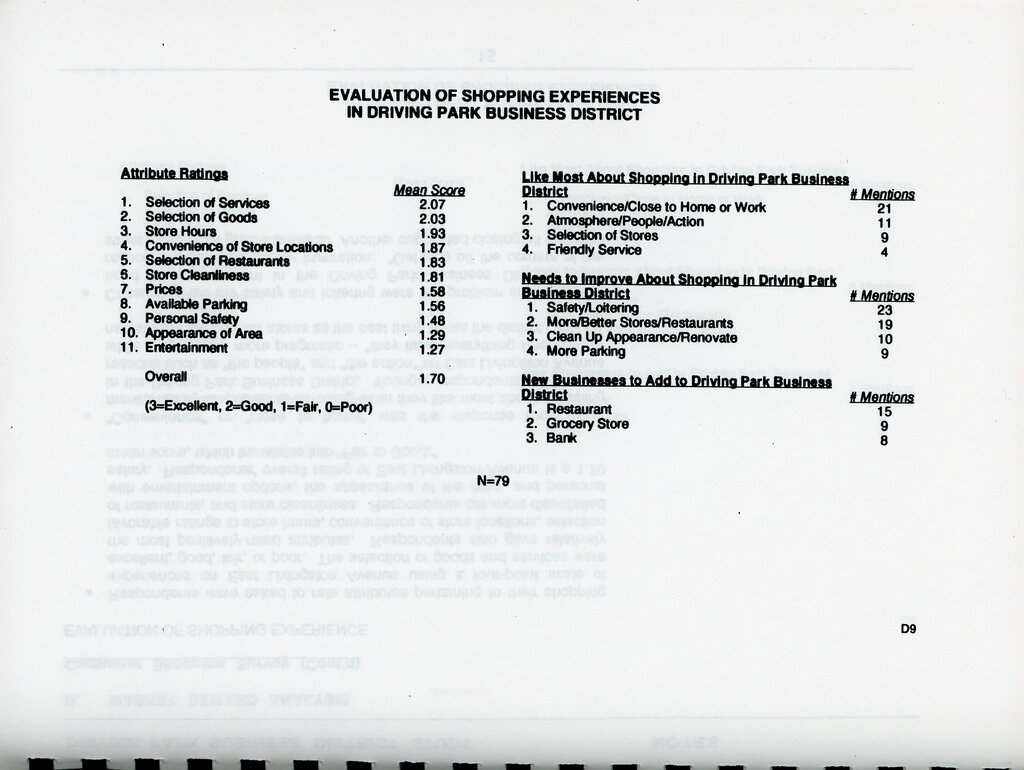
Once collected, this data is put through statistical analysis. This is where raw numbers are turned into meaningful insights, like "Customers who buy product A are 50% more likely to return within a month than customers who buy product B." These are the kinds of concrete findings that help a business grow.
Let's check your understanding of these core concepts.
What is the primary goal of quantitative market research?
A coffee shop wants to determine the average amount of money a customer spends per visit. Which method would be most appropriate?
Understanding these fundamentals is the first step in using data to make smarter business decisions.