Quantitative Finance Analysis
Financial Statements
The Three Key Reports
Financial statements are like a company's report card. They tell the story of how a business is doing, but with numbers instead of grades. By learning to read them, you can understand a company's financial health. There are three main reports that work together to give a complete picture.
There are three primary financial statements required by Generally Accepted Accounting Principles (GAAP):Balance Sheet – Displays what a company owns (assets), owes (liabilities), and the difference (equity).Income Statement – Summarizes a company’s revenues, expenses, and profits over a specified period.Cash Flow Statement – Tracks the flow of cash in and out of the business.
The Balance Sheet
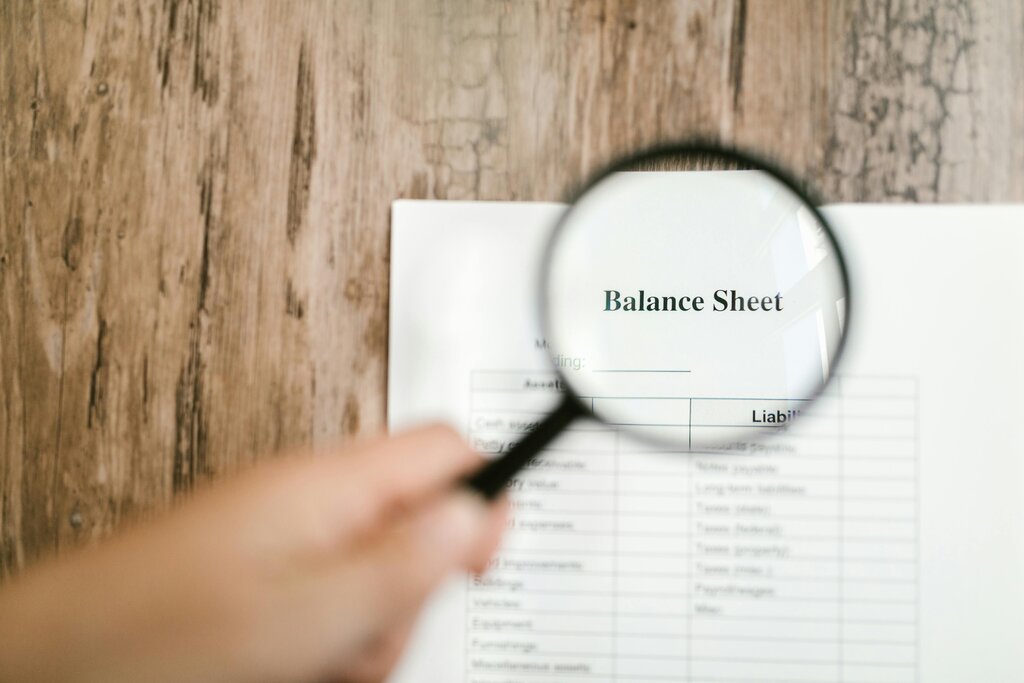
The balance sheet is a snapshot of a company's financial position on a single day. Think of it like a photo. It shows exactly what a company owns and owes at that specific moment. It doesn't tell you what happened yesterday or what will happen tomorrow, just the state of things right now.
Every balance sheet is built on a fundamental rule called the accounting equation.
Let's break that down:
- Assets: These are all the valuable things a company owns. This includes cash, inventory, equipment, and buildings.
- Liabilities: This is everything the company owes to others. Think of loans, bills from suppliers, and other debts.
- Equity: This is what's left over for the owners after you subtract all the liabilities from the assets. It represents the owners' stake in the company.
The equation must always balance. The value of everything a company owns must equal the claims against those things by lenders and owners.
| Category | Example | Amount |
|---|---|---|
| Assets | ||
| Cash | $10,000 | |
| Equipment | $50,000 | |
| Total Assets | $60,000 | |
| Liabilities | ||
| Bank Loan | $40,000 | |
| Total Liabilities | $40,000 | |
| Equity | $20,000 |
The Income Statement
If the balance sheet is a snapshot, the income statement is a video. It shows a company's financial performance over a period of time, like a quarter or a year. It tells the story of how the company made money and spent money during that period.
This statement is sometimes called the Profit and Loss (P&L) statement. It has a simple goal: to show whether the company made a profit or a loss. It does this by subtracting expenses from revenues.
Revenue - Expenses = Net Income
- Revenues: This is the money a company earns from its main business activities, like selling products or providing services.
- Expenses: These are the costs the company incurs to generate those revenues. Examples include salaries, rent, and the cost of materials.
- Net Income: This is the famous "bottom line." If revenues are greater than expenses, the company has a profit. If expenses are greater, it has a loss.

The Cash Flow Statement
The cash flow statement tracks the actual cash moving in and out of a company. It's like checking your bank account statement to see where your money came from and where it went.
Why is this necessary if we have an income statement? Because profit doesn't always equal cash. A company can record a sale (revenue) but not receive the cash right away if the customer buys on credit. The cash flow statement bridges this gap and shows how much real cash a company is generating.
It breaks down cash movements into three areas:
- Operating Activities: Cash from the main day-to-day business operations.
- Investing Activities: Cash used to buy or sell long-term assets, like property or equipment.
- Financing Activities: Cash from investors or banks, or cash paid out to them.
This statement is crucial for understanding a company's ability to pay its bills and fund its operations.
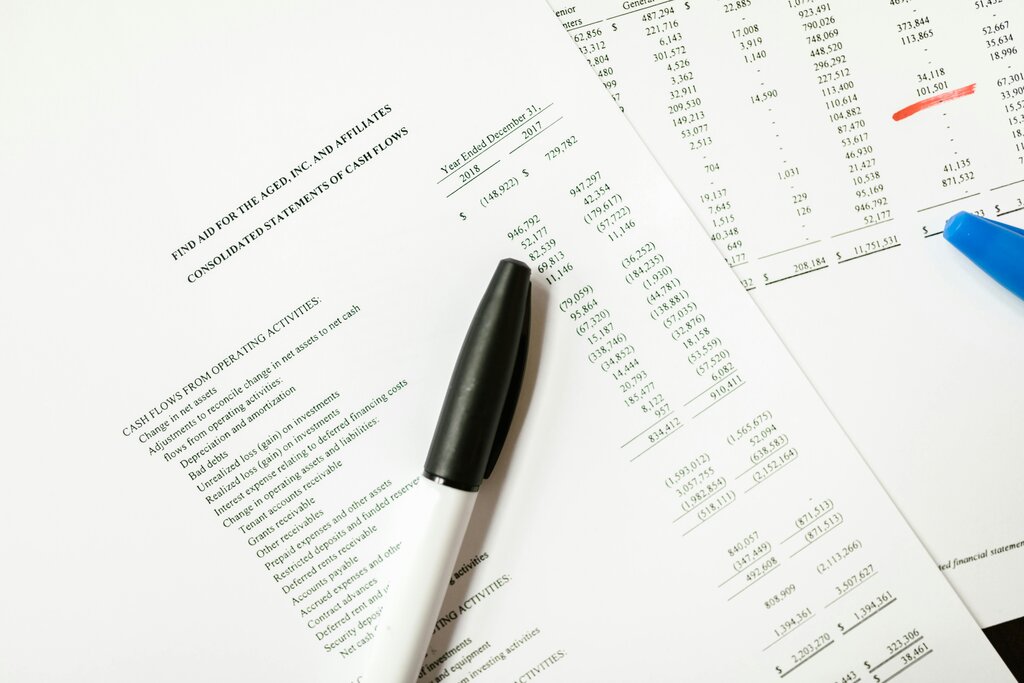
Together, these three statements provide a comprehensive view of a company's financial health. They are the foundation for any deeper financial analysis.
Time to test what you've learned about these core financial documents.
Which financial statement provides a snapshot of a company's financial position at a specific point in time?
What is the fundamental accounting equation that governs the Balance Sheet?
Understanding these three statements is the first major step in learning to analyze a business. Each tells a different part of the story, and together they create a powerful picture.